















Tisserand Aromatherapy Training Academy: Essential Oils Module.
Welcome to the Tisserand Aromatherapy Training Academy: essential oils Module. By the end of this module you will have learnt about the origins, uses and benefits of essential oils and aromatherapy.

Welcome
Tisserand Aromatherapy Training Academy: Essential Oils Module
Welcome to the Tisserand Aromatherapy Training Academy: essential oils Module. By the end of this module you will have learnt about the origins, uses and benefits of essential oils and aromatherapy.
Our Philosophy – Established in 1974
- To source the finest 100% natural pure essential oils of uncompromising quality.
- To share our heritage, knowledge and expertise in blending to create products you can trust.
- To offer innovative products that provide a holistic approach to wellbeing and beauty.
- To make aromatherapy accessible to everyone and easy to adapt to our fast-paced modern lives
What are essential oils
Where Do They Come From?
Essential Oils are the aromatic compounds obtained from plants, fruits and trees. They can be extracted from the flowers, stalks, leaves, peel and petals.

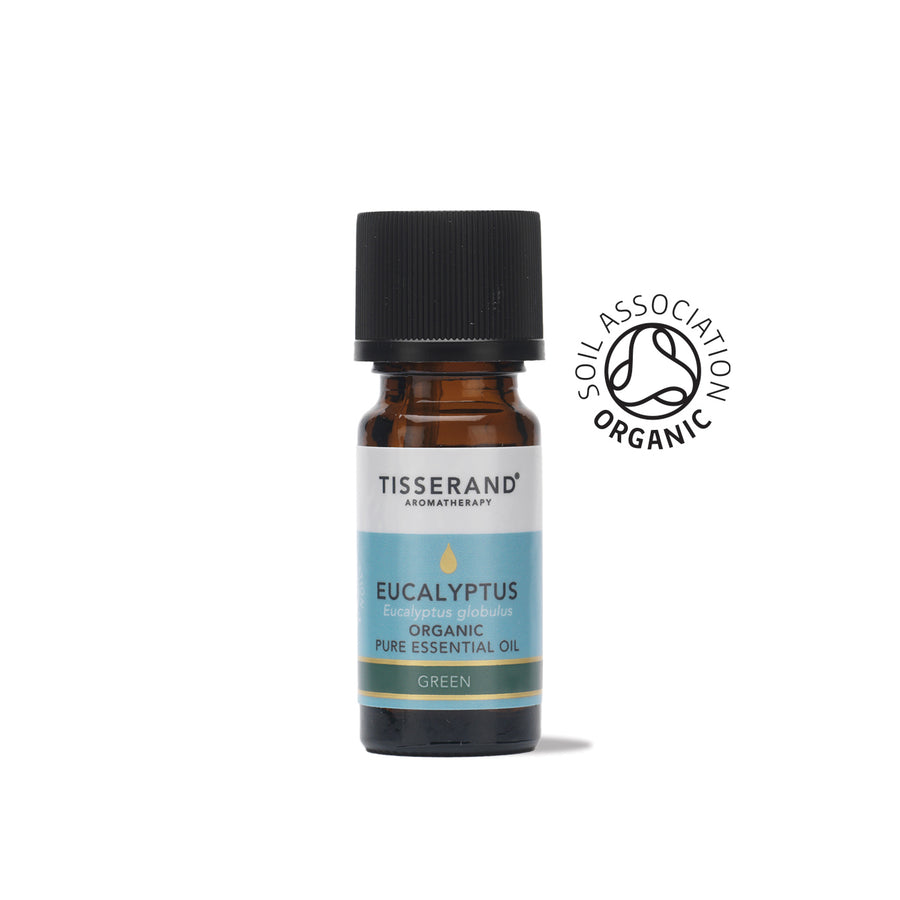
Eucalyptus, Peppermint & Rosemary essential oils come from the leaves.

Grapefruit, Lemon, Lime, Mandarin & Orange essential oils come from the peel of the fruit.

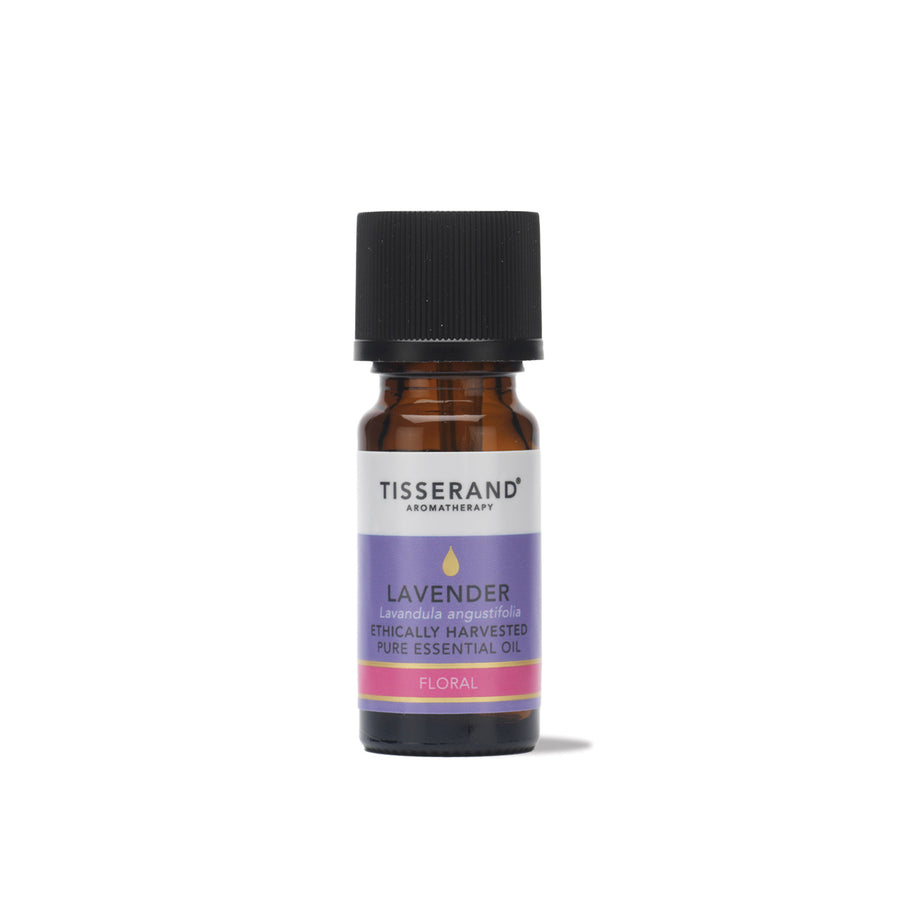
Lavender essential oil comes from the flowers & stalks.

Orange Blossom, Jasmine & Rose essential oils come from the petals of the flower..
Overline Heading
Multi-Column Grid
Duis aute irure dolor in reprehenderit in voluptate velit esse cillum dolore eu fugiat nulla pariatur. Excepteur sint occaecat cupidatat non proident, sunt in culpa qui officia deserunt mollit anim id est.

Peppermint is typically grown in North America.

Grapefruit is typically grown in Florida.

Sandalwood is typically grown in India & Australia.

Orange is typically grown in Brazil.

Tea Tree is typically grown in Australia.

Eucalyptus is typically grown in Australia & China.
Essential Oil Safety
- Essential oils are for external use only. Never swallow essential oils.
- Essential oils should be kept out of the reach of children.
- Do not use them undiluted on the skin. Avoid contact with sensitive areas, such as the eyes.
- If you have a skin condition, epilepsy, asthma, blood pressure irregularities or are taking prescribed medication, please seek medical guidance before using essential oils.


What Is Aromatherapy?
Aromatherapy is the use of pure essential oils extracted from aromatic flowers, leaves, fruits, grasses, seeds, roots and wood from all over the world to promote emotional and physical wellbeing.
These highly valued fragrant plant extracts have therapeutic powers and relaxing and uplifting effects on the mind, while physically they can help ease muscular aches, improve circulation and help clear sinus congestion.
By understanding the different properties of essential oils you can create simple blends for inhalations, massage oils, bath oils or vaporisation and enjoy the benefits of aromatherapy whether at home, work or on the move.
Aromatherapy
Past & Present
We are privileged to be able to trace our roots back to the early days of aromatherapy. Whilst the term ‘aromatherapy’ wasn’t used until 20th century, the use of fragrant plants as incense, cosmetics & medicine dates back thousands of years.

In ancient Egypt, ingredients such as Frankincense and Myrrh were used in embalming, burnt in sacred rituals and
also made into ointments and perfumes.

In medieval Europe, spices like Nutmeg and Pepper were incredibly valuable. The lady of the house carried them in a locked box tied to her waist and measured out enough spices daily to season food.

At the time of the Plague in the 17th century, aromatic ingredients were the main sources of medicine; doctors wore masks over their faces filled with cloves and other spices to keep infection at bay.

Early scientific and medical research into the properties of essential oils was carried out in the 19th and 20th centuries by doctors in France where, to this day, essential oils are prescribed and used as natural antiseptic and antibacterial remedies.
What are essential oils
Where Do They Come From?
The word ‘aromatherapy’ was coined in the early 20th century by a French perfume chemist called René-Maurice Gattefossé; who, after an accident in his laboratory where he burnt his arm, plunged it into the nearest liquid which happened to be a vat of Lavender.
He was so impressed by how his burn healed that it propelled him into further research of other aromatic essences. He found that with the use of lemon, thyme, clove and other antiseptic oils, wounds healed more quickly and without infection. He named this medicine ‘aromathérapie’.
Robert Tisserand, the founder of Tisserand Aromatherapy, wrote ‘The Art of Aromatherapy’ in the 1970’s. He is still a pioneer of essential oil research, with his textbook ‘essential oil Safety’ remaining the industry standard guide to essential oil chemistry.

Robert Tisserand
What Is Aromatherapy?
Through The Skin
Essential Oils have tiny molecules and can pass through the upper layers of the skin to reach the blood vessels. They are then carried into the generalcirculation. For example, when you use a massage blend containing essential oils such as Rosemary or Ginger, circulation is increased and the skin feels warm to the touch.
Through the nose & Lungs
When you breathe in an essential oil, the vapour passes through your nose and mouth into your lungs. essential oils such as Eucalyptus, Tea Tree and Peppermint are very useful for clearing the nasal and chest passages, making it easier to breathe.
How Essential Oils Affect The Brain, Mood & Feelings
Located at the top of the nose is the olfactory bulb, a part of the nervous system that captures the aroma you are smelling and carries the signal to a part of the brain called the limbic system – one of the oldest parts of the brain. When we smell something, it bypasses our conscious brain, going straight to the limbic system. This area of the brain is responsible for producing and releasing our sensory experiences, such as memories, pleasure and instincts. Clever isn’t it!