











Essential Oil Hub
Your trusted space for essential oil guidance, from first drops to everyday rituals.

Beginners Guides
Our Top Essential Oils


Cedarwood Himalayan
Discover how Cedarwood Himalayan essential oil can support restful sleep, promote a grounded and calm state of mind, and help ease breathing with its gentle respiratory benefits.

Bug Busting with Essential Oils
Discover pure, plant-powered ways to naturally outsmart insects and keep bugs at bay.
DISCOVER YOUR MATCH
Let Scent Lead the Way
From energising citrus scents to grounding woody aromas, our essential oils are here to support how you want to feel – morning, noon or night.


Our Top Ways To Use Essential Oils
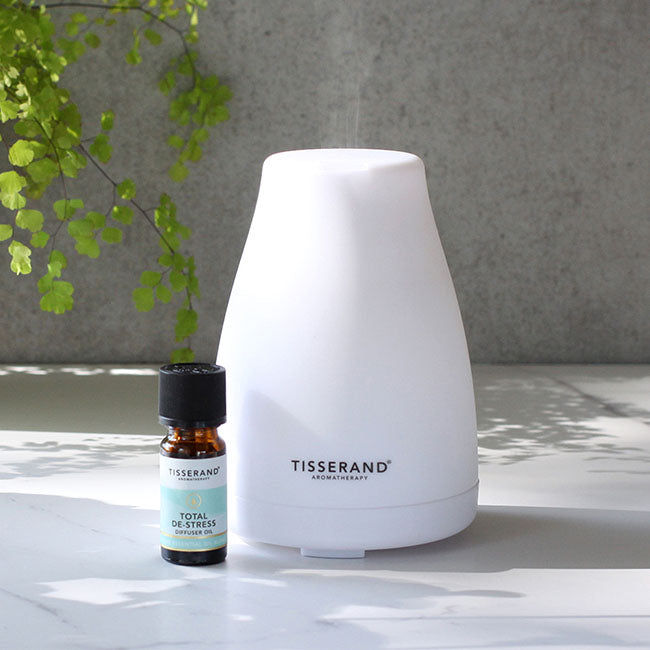
Diffuser Blend8Drops
Add 6-8 drops of essential oil per 100ml of water to your diffuser.

Massage Blend5Drops Per 10ml
Add up to 5 drops of essential oil per 10ml of blending oil.

Facial Treatment2Drops Per 10ml
Add up to 2 drops of essential oil per 10ml of blending oil.

Hair Treatment2Drops Per 10ml
Add 2 drops of essential oil per 10ml of blending oil. Massage into the scalp and comb through hair. Leave for around 30 minutes, then wash out with your regular shampoo.

Bath Blend6Drops Per 20ml
Add 4-6 drops of essential oil to 20ml of blending oil and swirl into the water.
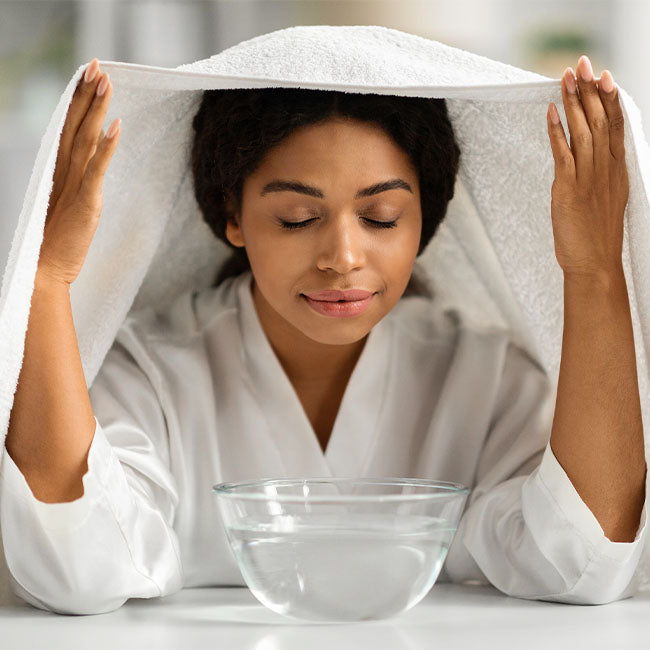
Inhalation Blend5Drops
Add up to 5 drops of essential oil into a bowl of hot water. Place a towel over your head, close your eyes and breathe in the steam. Not suitable for Asthma sufferers.
How to Use Essential Oils Safely
Essential oils are highly concentrated liquids distilled from a single botanical source. It is important to use them correctly to ensure safety.
Top Safety Advice
Do not use essential oils neat on the skin – always dilute into a base product before use.
Store your essential oils in a cool place out of direct sunlight.
Never swallow or ingest them.
We have a comprehensive FAQs section on our website for easy reference. For specifics on each essential oil, please refer to the details on their product pages.
ESSENTIAL OIL FAQS
Ask Our Aromatherapist
Inhalation
Our noses are perfectly designed to capture scents. When we inhale an essential oil, its aromatic molecules are converted into chemical signals that the nervous system can interpret. These signals interact with the olfactory bulb, located at the top of the nasal cavity, and then travel along the olfactory tract directly to the limbic system in the brain.
The limbic system is one of the most ancient regions of the brain, governing fundamental survival instincts such as hunger, thirst, and temperature regulation. It plays a central role in processing emotions and storing memories. It is also closely connected to the pituitary gland, the body’s primary hormonal regulator. The limbic system influences not only our feelings and recollections but also our hormonal balance.
Topical application
Even though our skin is a protective barrier, it is also porous, meaning that tiny molecules can pass into the bloodstream.
Essential oils are composed of lipid-soluble molecules small enough to pass through the skin’s barrier. They enter the bloodstream and can be transported around the body. Depending on the individual therapeutic action of an essential oil, it can interact with different bodily systems, for example, calming the nervous system, supporting digestion, or influencing hormones.
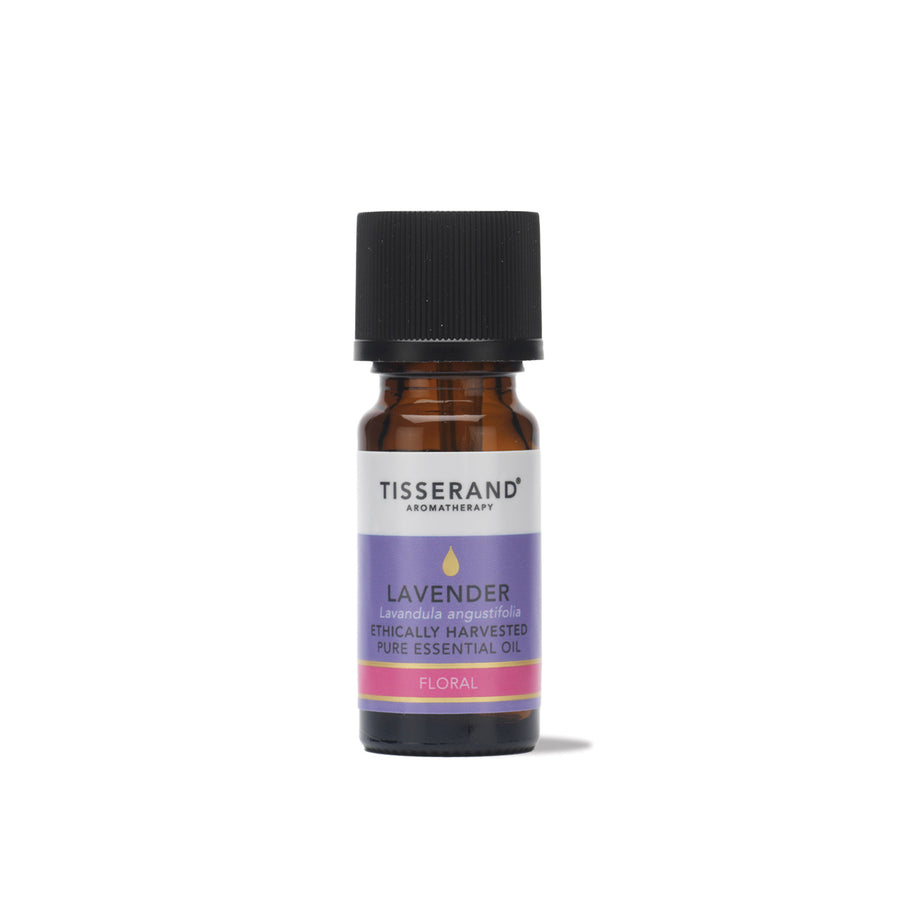
All plants have a Latin/botanical name. For example, Lavender is Lavandula angustifolia. The first word, Lavandula, tells us what the genus is, and the second word, angustifolia, tells us the species.
This is important in Aromatherapy because some plant species, again using Lavender as an example, have many different ‘varieties’, some with cautions attached. It is therefore important that you know which variety you are using. The Latin/botanical name tells you just that!
Essential oils from the same plant can smell different because natural factors like soil, climate and harvest time can change the chemical composition of the oil, which alters its aroma. Also, as explained above under Latin/botanical names, you may be smelling a different species, e.g. two Lavenders that are two different species.
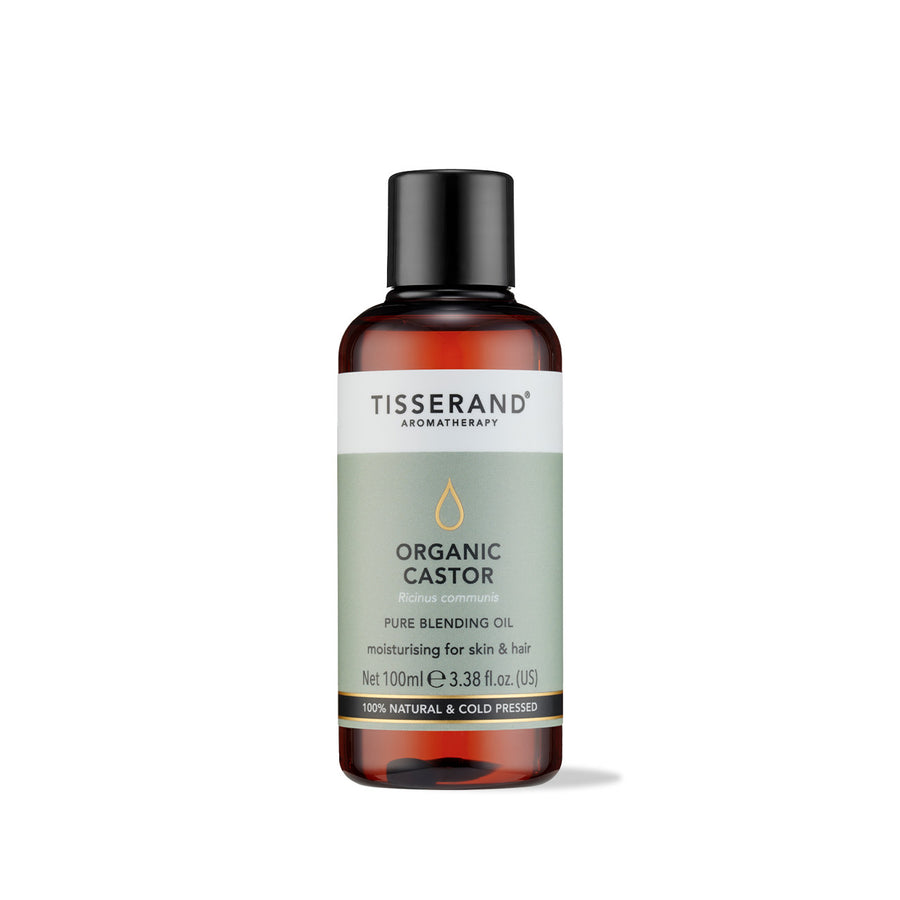
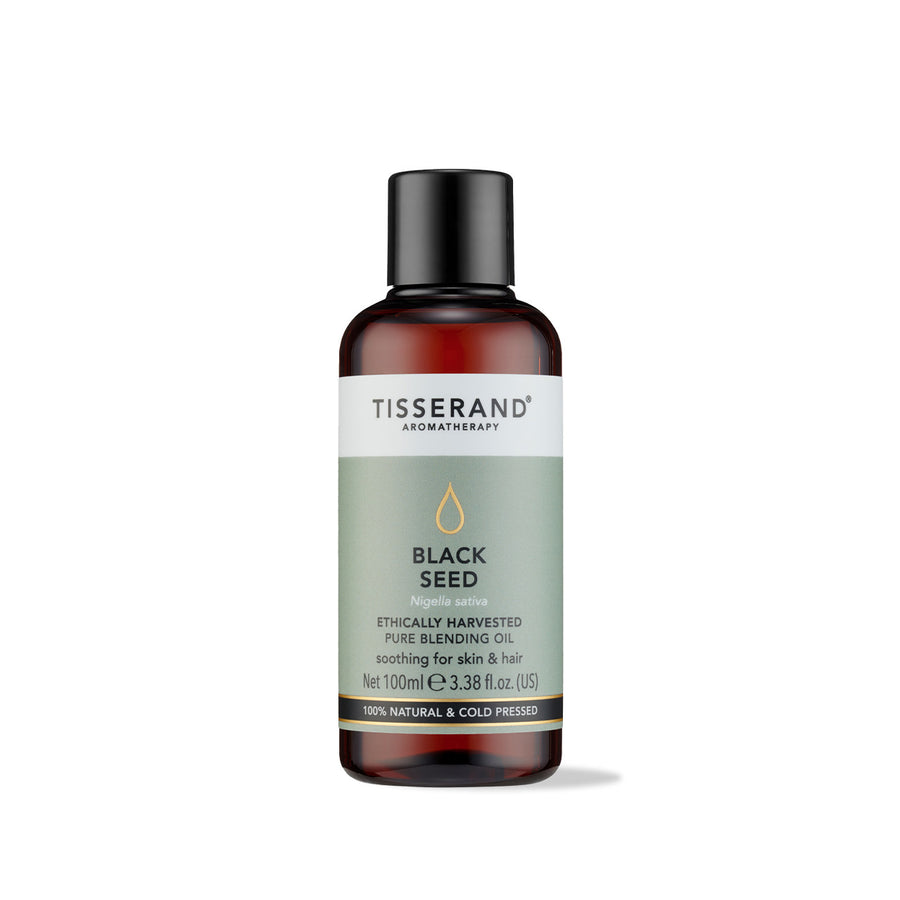
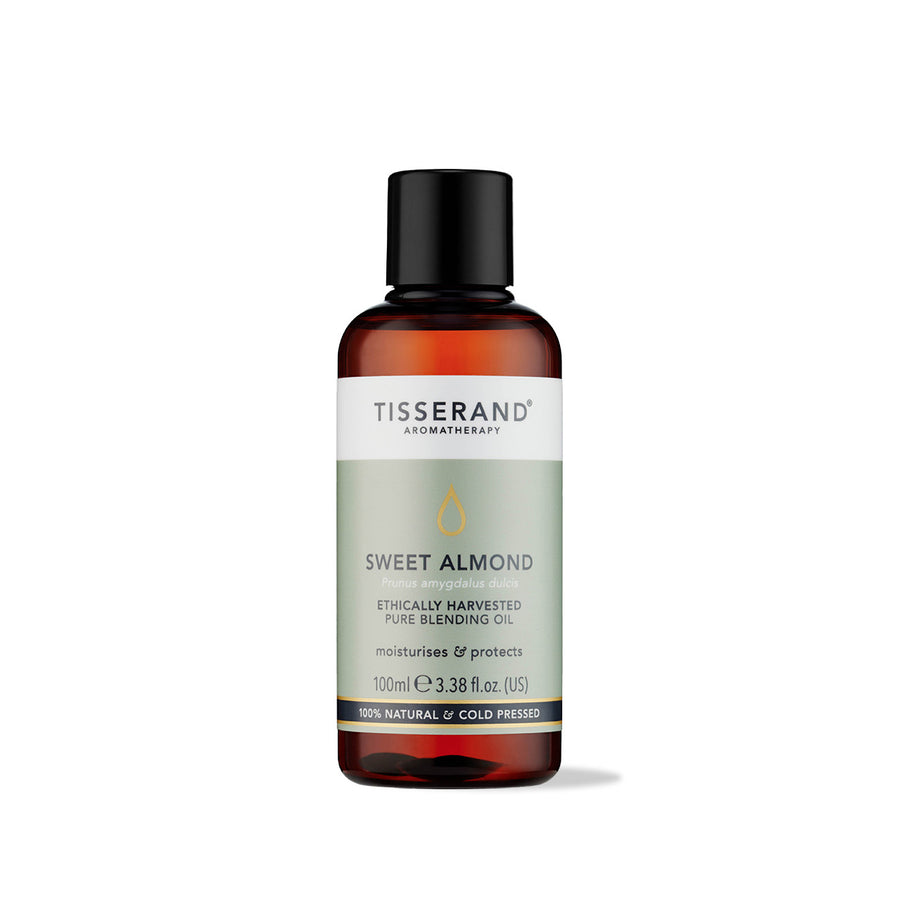
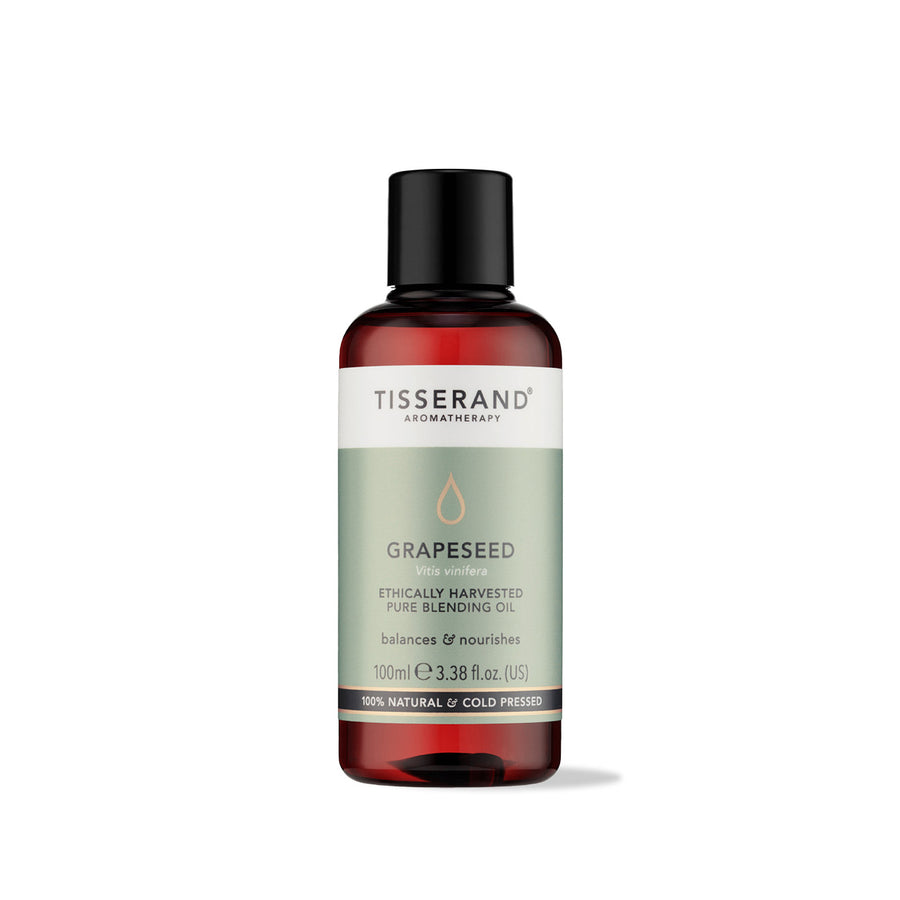
Carrier/blending oils are extracted from nuts, kernels or seeds and are used to dilute concentrated essential oils, making them safe for skin application while also adding nourishing benefits.
They are needed because essential oils are highly potent and can cause irritation if applied undiluted to the skin.
When we smell something for a long time, our nose ‘switches off’, this is called Olfactory fatigue. It’s a natural occurrence and doesn’t mean that the essential oil has stopped working. The aromatic molecules are still in the air, and you are still inhaling them.
If you are applying a blend via a topical (skin) application, then the oils will be working internally.
So, even if you can no longer smell the essential oils or blend, be assured that the effect of the oils is still occurring.
Aromatherapy has roots stretching back many thousands of years, beginning in ancient civilisations and evolving into the modern wellness practice we know today. It stems from our use of plants as medicine.
We know that in ancient Egypt, plants and resins were burned in ceremonies and applied to the skin for medicine, perfume and to beautify. The practice spread to ancient Greece and Rome, where physicians used herbs and plants therapeutically for everyday health issues.
Between the 8th and 13th centuries, plant medicine flourished in the Middle East and regions of the Islamic Empire.
It is during this time that the first known distillation of an essential oil (Rose) took place by the alchemist Avicenna.
During the Middle Ages and into the Renaissance, plants and herbs were used extensively throughout Europe. There are examples of using plant medicine during the plague, and their use continued into the 20th century alongside the emergence of modern medicine.
Our essential oil expert, Jo Kellett TIDHA MIFPA CIMI, graduated from the Tisserand Institute of Holistic Aromatherapy in 1996. She returned to the college in 1999 as an Essential Oil Therapeutics Tutor, where she taught until the college closed. Jo runs a successful private Aromatherapy practice in Brighton, specialising in Women’s health. Jo is also an internationally published author and has lectured on the subject of Aromatherapy both in the UK and abroad.
For more information on Jo Kellett, check out her website or Instagram