











Lemon Essential Oil: A Beginner’s Guide
Experience a natural mood boost, clarified skin, and a toxin-free home for an energised and refreshed everyday.


Key Benefits of Lemon Essential Oil
Lemon essential oil belongs to the Rutaceae (citrus) family. Lovingly expressed from the fresh peel of the fruit, this zesty oil is a staple in every essential oil toolkit. Known for its "sunny" vibe, it offers a natural boost for your mind, your home, and your skin.

Naturally Mood-Boosting
The dominant compound in Lemon oil, Limonene, is what’s responsible for its signature happy citrus scent. Beyond just smelling great, Lemon essential oil works with your nervous system to:
- Stimulate the senses, promoting feelings of alertness and fresh energy.
- Reduce stress by helping to calm the ‘fight-or-flight’ response.
- Build positivity by creating an instant mood uplift.

Powerful Natural Cleaner
Lemon is a powerhouse for natural home cleaning. It contains Limonene, Citral, and Pinenes, natural compounds with antimicrobial properties that help reduce bacteria and fungi on surfaces.
These components are natural degreasers able to cut through grime, making them ideal for kitchen and bathroom surfaces.
Rather than just masking smells, Lemon helps eliminate them, leaving your home smelling crisp and truly clean.


Skin Booster
In skincare, Lemon oil is valued for its astringent qualities. It’s particularly helpful for those with oily or congested skin, or for managing skin changes linked to hormonal cycles.
The compound Citral helps to reduce the appearance of pores and break down excess oil on the skin. Regular use in a facial treatment blend can help give the skin a clearer, more matte appearance.
Safety Note: Lemon essential oil is highly concentrated and must be diluted in a blending oil before skin application.
HOW TO USE
Our Favourite Ways to Use Lemon
Simple and effective ways to incorporate Lemon essential oil into your daily routine.

Diffuser Blend8Drops
Add 6-8 drops of Lemon to your diffuser for a clean and refreshing aroma that helps to boost your mood and remove unwanted odours from your home.

Inhalation Booster2Drops
Add 1-2 drops of Lemon to a tissue and breathe in gently to help reduce brain fog and naturally uplift your mood, wherever you need it.

Massage Oil5Drops
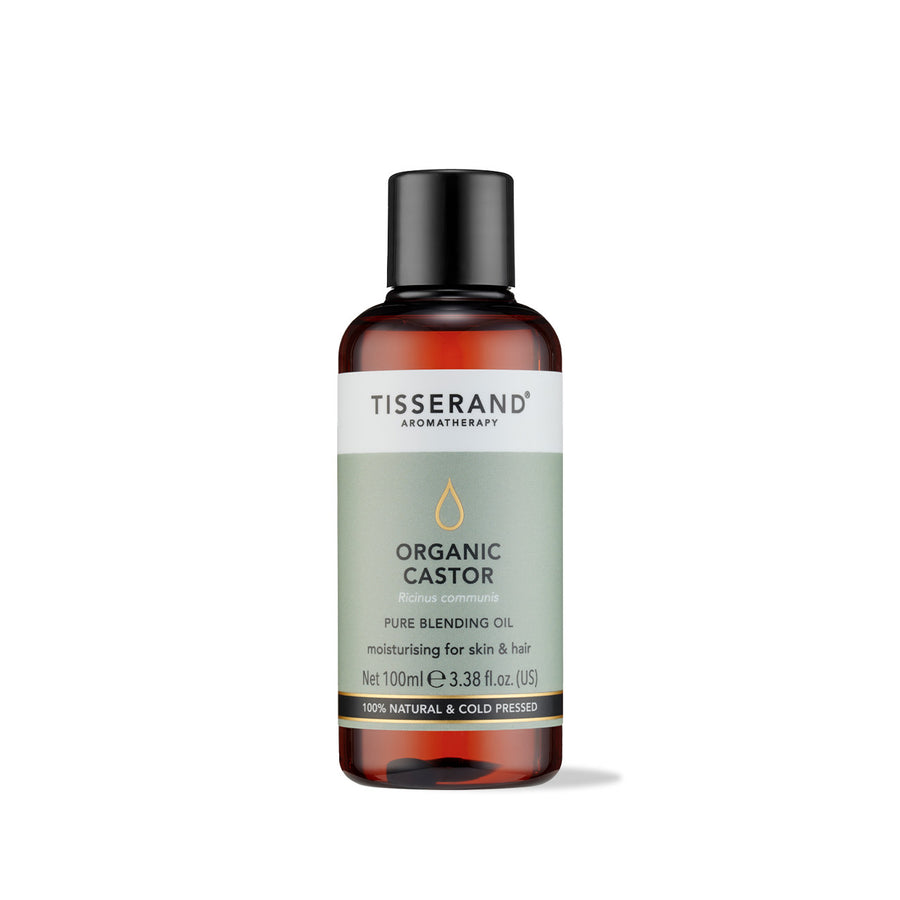
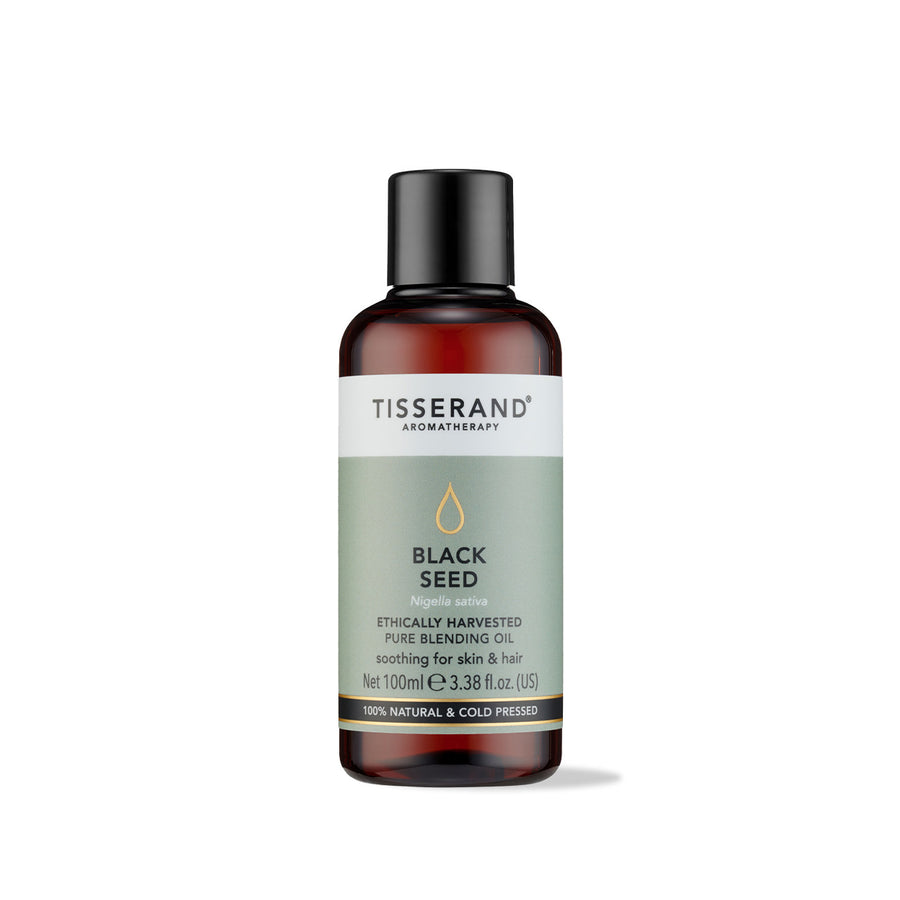
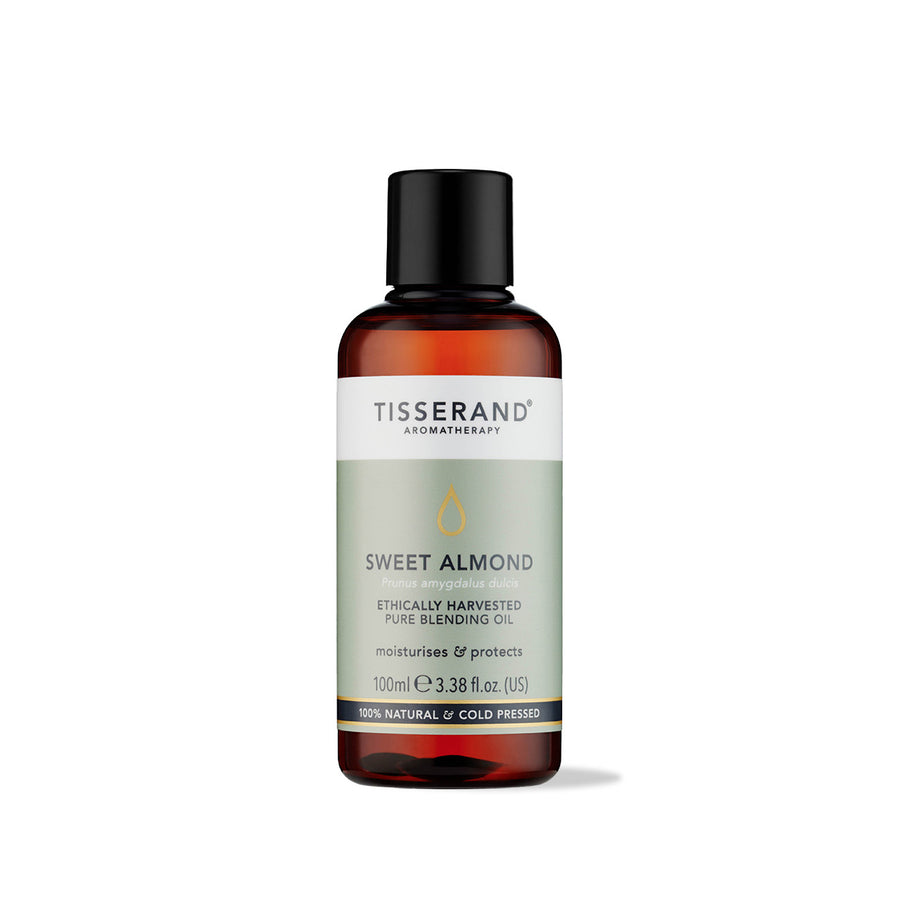
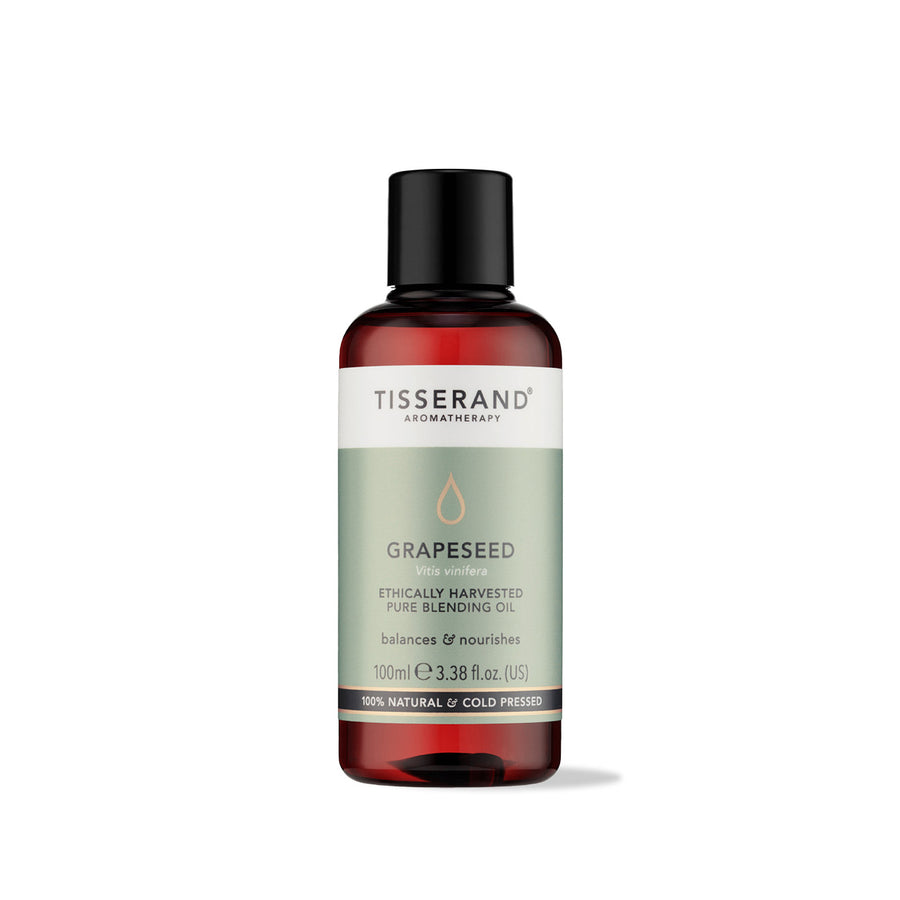
Add 5 drops of Lemon to 10ml of blending oil. Warm a small amount between your palms and apply to the skin in long, sweeping strokes. Particularly helpful for areas prone to cellulite or for oily and congested skin.

Surface Spray10Drops
Add 2-3 drops of Lemon essential oil, 250ml of white vinegar and 250ml of water to an empty spray bottle. Shake to combine before use, spray onto surfaces and wipe with a cloth for a natural antibacterial cleaner.

Foot Soak5Drops
After a long day, add 5 drops of Lemon to 10ml of blending oil and add to a bowl of warm water. Let your feet soak for 10 minutes while the zesty aroma boosts your mood, and the oil cleanses your skin.




About Lemon Essential Oil

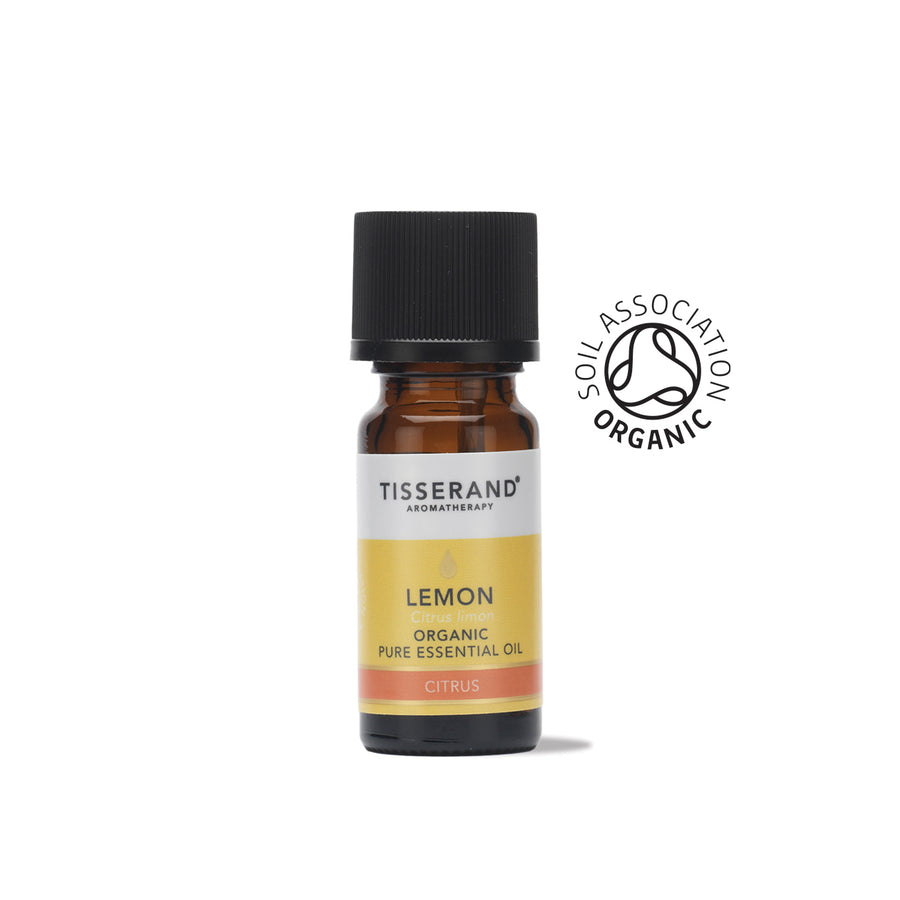
100% Pure Citrus limon (Lemon) oil
Our organic Lemon essential oil originates from Spain. It’s extracted using expression, where the oil is squeezed from the peel of the fruit, to produce a thin, yellow essential oil.
A Brief History of Lemon

Ancient Medicinal Roots
All citrus species in the Rutaceae family originated in Asia, with the lemon first cultivated in Northeast India, Myanmar, and China. Originally a prized ornamental tree, it was essential to early medicinal traditions. In Ayurveda, lemon was valued for its cleansing and balancing qualities, while Traditional Chinese Medicine used it to soothe the throat and regulate "Qi" (vital energy).

The Mediterranean Essence
As lemons travelled west through Persia, they gained a reputation as a cooling and restorative fruit. While lemon trees reached Europe in the Medieval period, the Moors in Sicily and Spain were the first to skilfully extract the aromatic essence from the peel. This early form of the oil was used as a powerful medicinal tonic to reduce fevers and support body purification.

A Global Journey
Lemon’s reach expanded in the 15th century when Christopher Columbus carried seeds across the Atlantic to the Americas. Since those early voyages, lemon has become a global standard for natural cleaning and restorative health. Today, our organic Lemon continues this legacy; it is sourced from Spain and expressed from the fruit peel to ensure the highest quality.

From Grove to Bottle
Producing high-quality essential oil is a labour-intensive process that requires vast amounts of botanical material. Because the oil is extracted strictly from the rind (not the juice) it is incredibly concentrated and chemically distinct from the fruit's pulp. In fact, it takes approximately 2,500–3,000 lemons to produce just one kilo of our pure, zesty essential oil.
ESSENTIAL OIL FAQS
Ask Our Aromatherapist
You should never apply Lemon, or any other essential oil, neat (undiluted) to the skin. Essential oils are highly concentrated and must be combined with a blending oil before topical use. For safe guidance on how to blend essential oils for skin care, check the how to use instructions on each product page.
We do not recommend using Lemon essential oil in cooking or ingesting any essential oil. Unlike lemon juice from the pulp, the essential oil is cold pressed from the peel, making it incredibly potent and different in chemical structure. For the best flavour and safety, stick to fresh lemon juice or zest for your recipes.
While lemon juice is a popular DIY hack for sun-lightened streaks, Lemon essential oil does not lighten hair. The oil lacks the specific acidic profile of the fruit's juice required for that reaction.
Lemon oil has a strong citrus aroma that insects like ants, mosquitoes and flies generally dislike. However, while it provides a pleasant scent, it isn't the most powerful repellent.
Expert Tip: If you are looking for a natural bug repellent, oils like Citronella, Peppermint, or Lemongrass are more effective at keeping pests
at bay.
Lemon oil is a powerhouse for natural cleaning. It contains Limonene, Pinenes and Citral, natural compounds known for their antimicrobial properties. Use this simple recipe for a fresh, toxin-free home:
DIY Lemon Fresh Surface Spray
o 10 drops Lemon (Citrus limon) Essential Oil
o 250ml White Vinegar
o 250ml Water
Method: Add ingredients to a clean spray bottle. Shake vigorously before each use, spray surfaces, and wipe clean with a cloth.
Yes, the natural components in Lemon oil, specifically Limonene and Citral, have been shown to inhibit certain types of bacteria. This is why lemon is the ‘gold standard’ scent for cleanliness and a favourite ingredient in natural cleaning products.
Though they share a similar name and zesty scent, they come from very different plants:
o Lemon: Expressed from the peel of the fruit and has a bright, zesty citrus aroma.
o Lemongrass: Steam distilled from tropical lemongrass leaves, it belongs to the Aldehyde family (alongside Citronella and May Chang), giving it a much sharper, herbal, and earthy aroma.
Most citrus oils contain natural compounds that react to UV light. If you apply a lemon blend to your skin and then go into the sun, it can cause a phototoxic reaction (like a severe sunburn or skin spotting).
Safety Rule: If using Lemon in a topical blend like for massage, wait 12 hours before exposing that skin to strong sunlight or sunbeds.
Please be assured, any of our pre-made topical blends containing Lemon are formulated well below the safety threshold, so you can use them with confidence!
Our essential oil expert, Jo Kellett TIDHA MIFPA CIMI, graduated from the Tisserand Institute of Holistic Aromatherapy in 1996. She returned to the college in 1999 as an Essential Oil Therapeutics Tutor, where she taught until the college closed. Jo runs a successful private Aromatherapy practice in Brighton, specialising in Women’s health. Jo is also an internationally published author and has lectured on the subject of Aromatherapy both in the UK and abroad.
For more information on Jo Kellett, check out her website or Instagram