





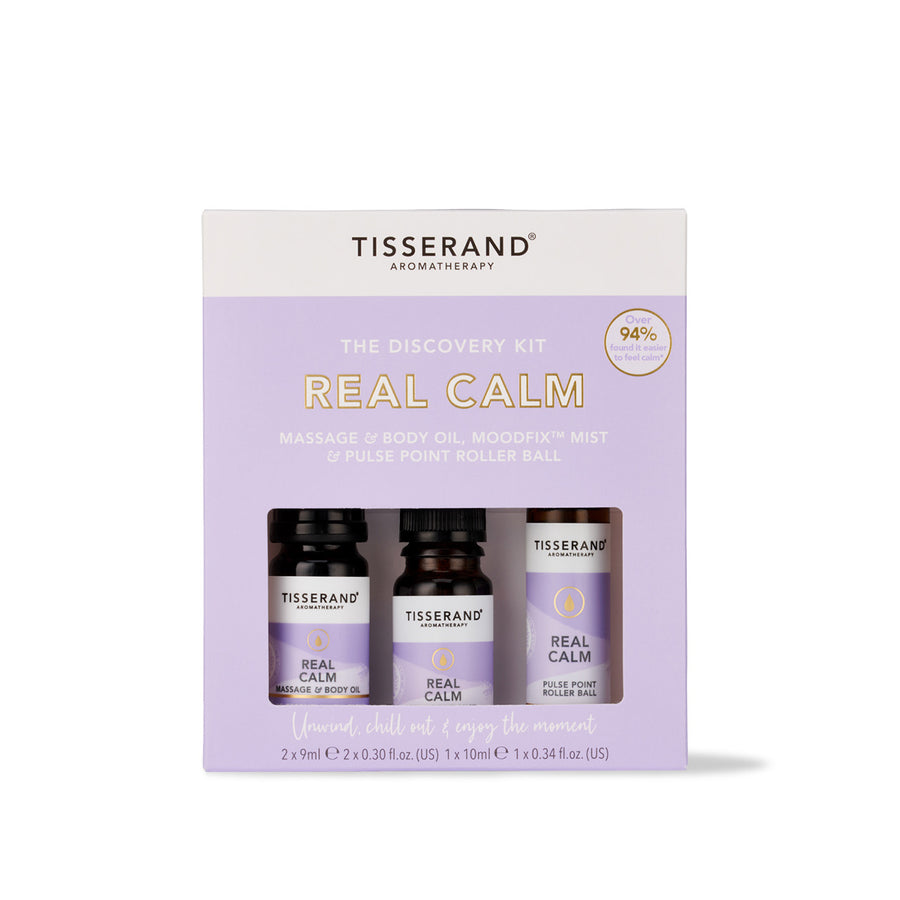






Peppermint Essential Oil: A Beginner’s Guide
Experience digestive comfort, tension relief and sharpened mental clarity for a refreshed body and mind.


Key Benefits of Peppermint Essential Oil
Peppermint essential oil is naturally rich in key aromatic compounds, including menthol and menthone, which are associated with its powerful cooling and invigorating effects. These compounds contribute to the oil’s versatile therapeutic properties, making it a well-loved choice for supporting both physical and mental wellness. Whether inhaled, diffused, or applied topically when properly diluted, peppermint oil provides an energising lift that helps to refresh the senses, ease discomfort, and supports a balanced body and mind.


Digestive Relief
Peppermint essential oil has a long-standing reputation for supporting digestive wellbeing. It is naturally rich in organic compounds, including menthol, menthone, and menthyl acetate, which are associated with a powerful soothing effect on the digestive system. These components are believed to help relax the smooth muscles of the digestive tract, helping to calm spasms and promote more comfortable digestion. Incorporating peppermint oil into a topical massage blend may help manage minor digestive upsets and support overall gut harmony.

Ease Tension
Peppermint essential oil is a versatile choice for easing physical and mental tension. Its crisp, refreshing aroma is known to help lift feelings of fatigue and sluggishness, creating a sense of renewed energy that naturally discourages physical tightness. When properly diluted in a blending oil and applied to areas such as the neck and shoulders, peppermint’s cooling properties provide a soothing sensation that helps the body unwind and release built-up pressure, particularly during times of tension headaches.

Clear Thinking
Peppermint’s cool, minty fragrance is highly valued for its ability to sharpen mental clarity and refresh the mind. Its energising scent helps to sweep away mental clutter, bringing a renewed sense of focus, purpose, and alertness. Research, including studies published in the International Journal of Neuroscience, suggests that the aroma of peppermint can significantly enhance cognitive performance and mood. When diffused, it creates an uplifting atmosphere that supports sustained concentration, making it an excellent companion for studying, working, or any task requiring mental engagement.
HOW TO USE
Our Favourite Ways to Use Peppermint
Simple and effective ways to incorporate Peppermint essential oil into your daily routine.

Diffuser Blend8Drops
Add 6-8 drops of Peppermint to your diffuser to create a stimulating and revitalising atmosphere that promotes clear thinking and mental clarity.

Inhalation2Drops
Add 1-2 drops of Peppermint to a tissue and breathe in gently to promote mental clarity and reduce motion sickness or nausea. Be careful not to touch the tissue to your nose.

Massage Oil5Drops
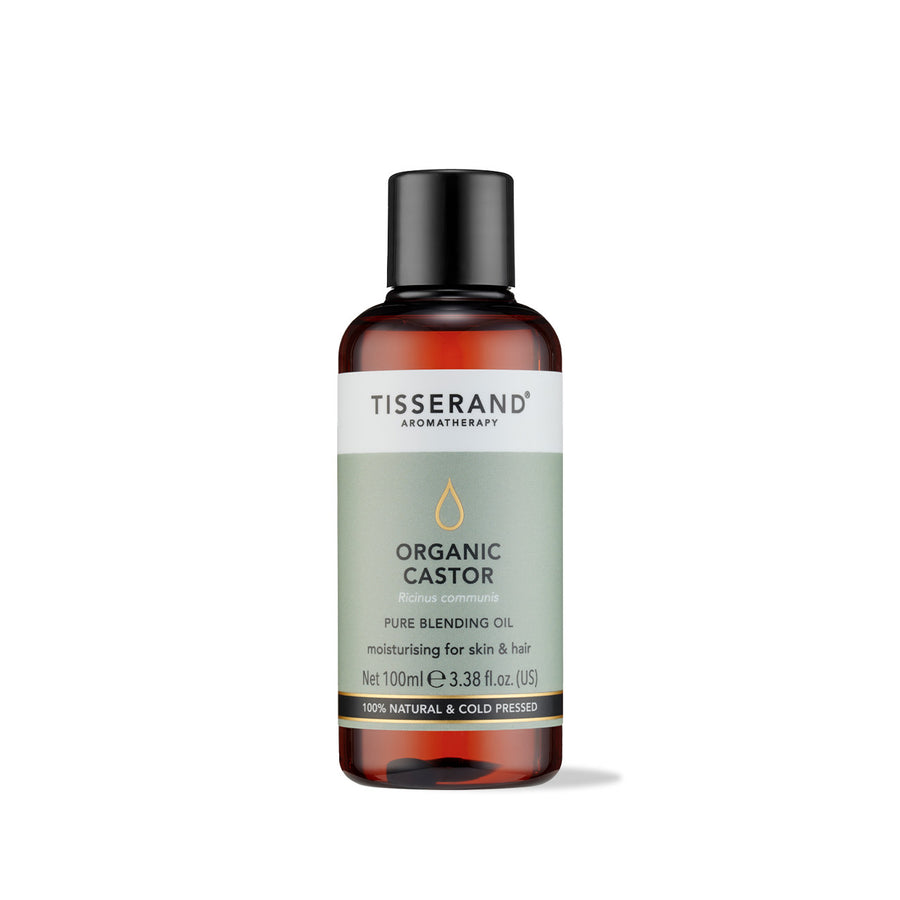
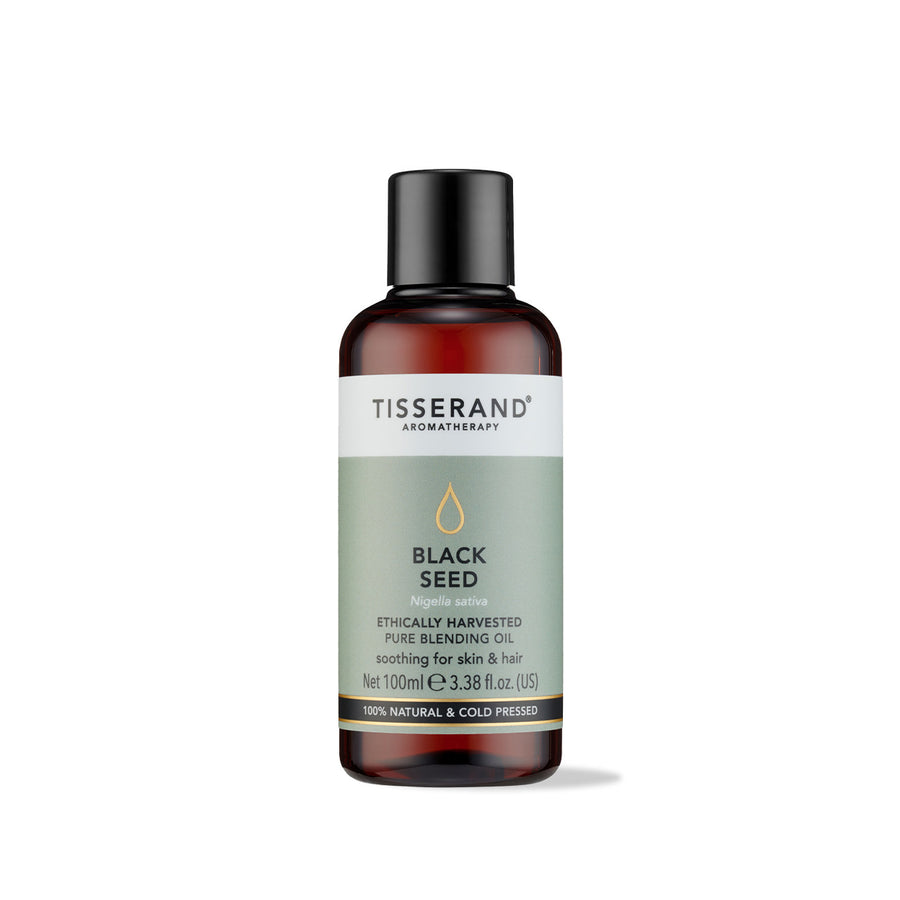
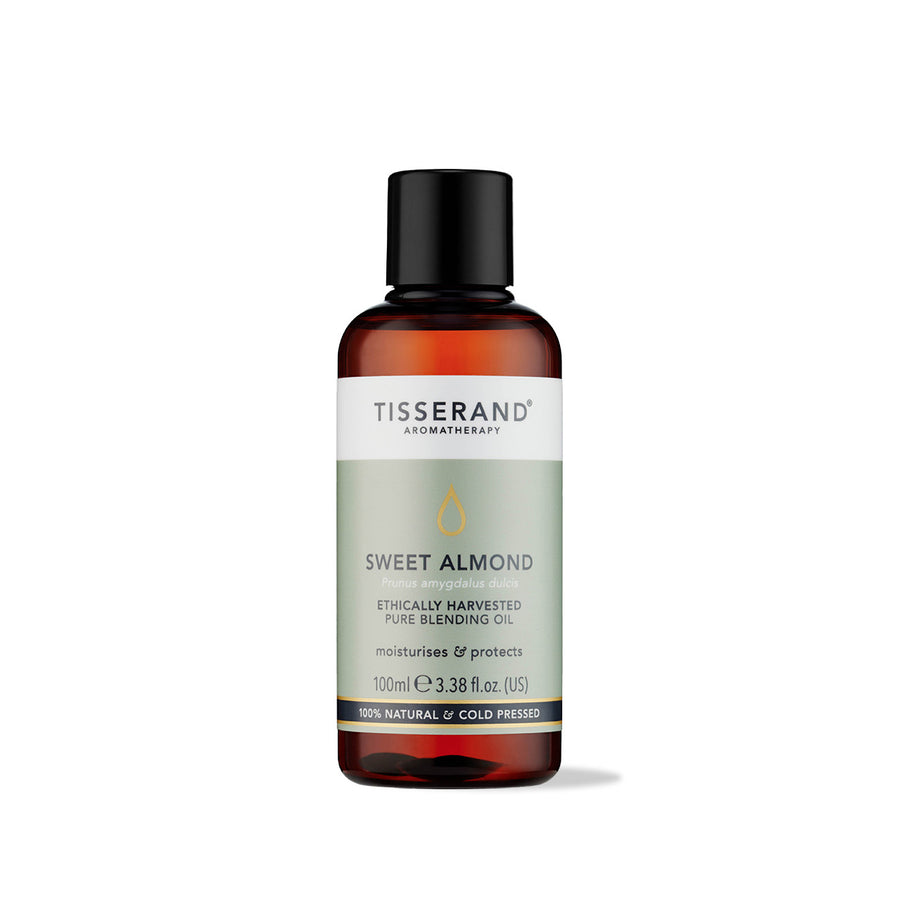
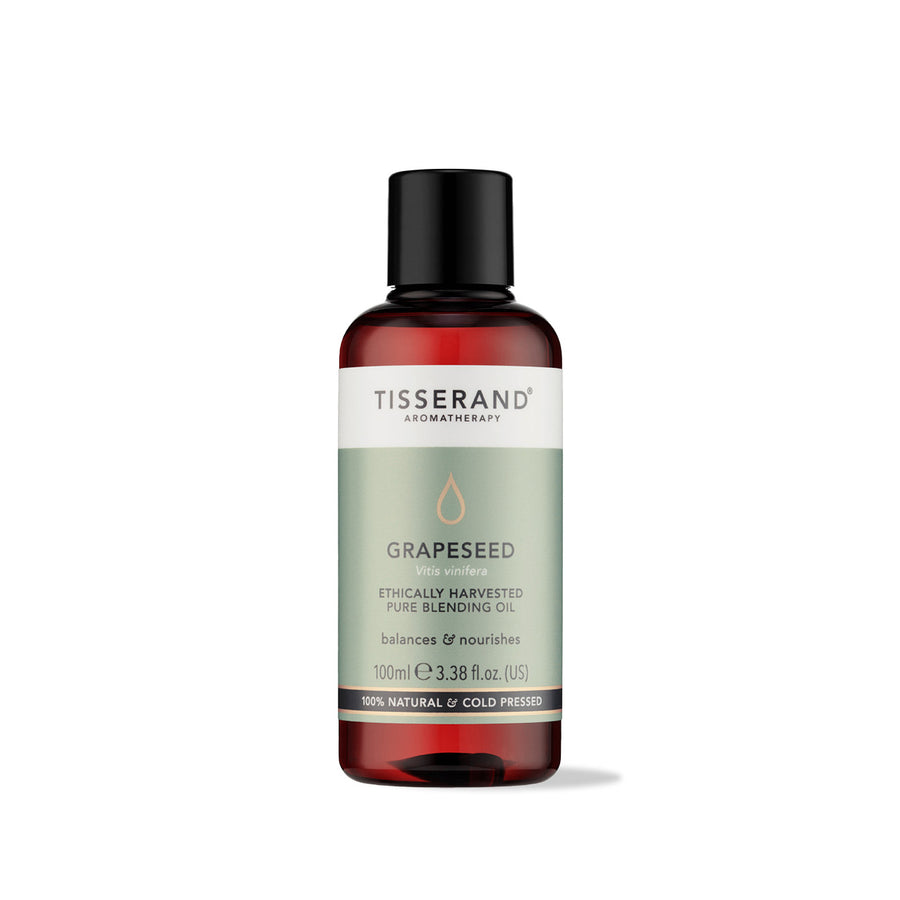
Add 5 drops of Peppermint to 10ml of blending oil. Warm a small amount between your palms and apply to the skin in long, sweeping strokes for a cooling, tension-relieving massage.

Shower Steamer3Drops
Add 2-3 drops of Peppermint to a cloth and place in the corner of your shower to fill your bathroom with a fresh, minty aroma that will help you feel awake and alert.

Foot Soak5Drops
To soothe tired, overworked feet, add 5 drops of Peppermint to 10ml of blending oil and add to a bowl of warm water. Let your feet soak for 10 minutes and enjoy the cooling relief.



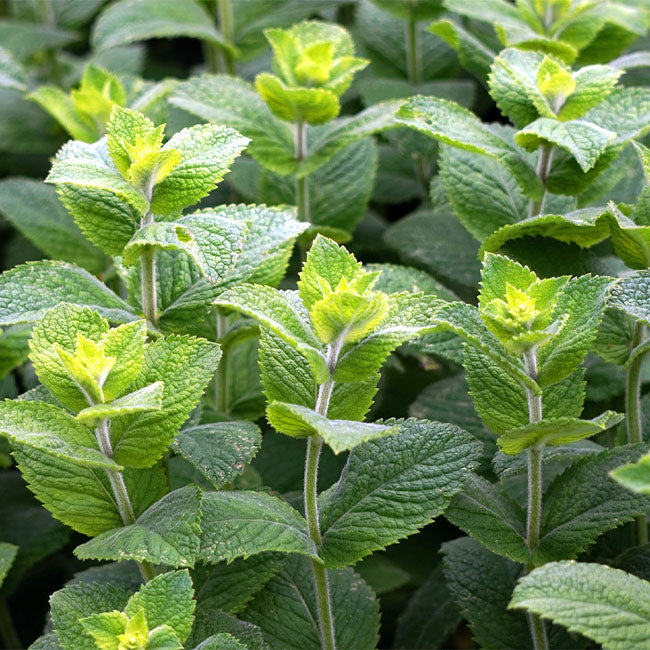
About Peppermint Essential Oil
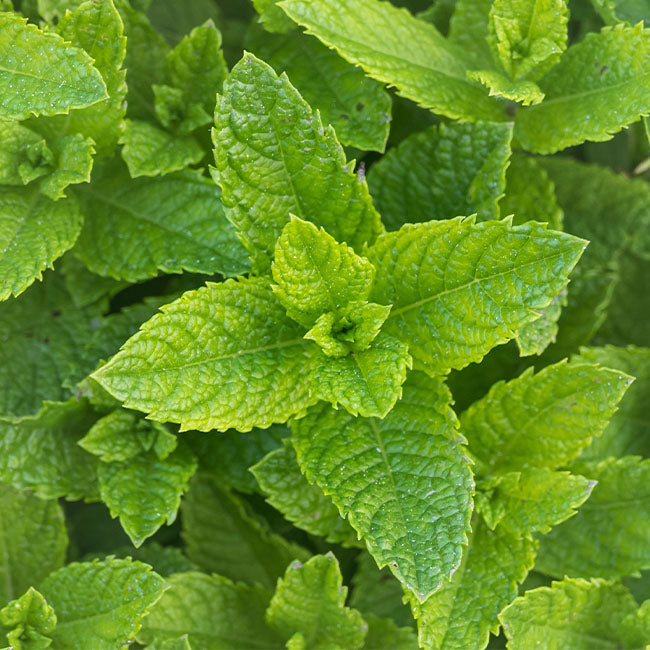
100% Pure Mentha piperita (Peppermint) oil
Our organic Peppermint essential oil originates from India. It’s extracted using steam distillation, where the oil is drawn from the vibrant green leaves of the herb, to produce a thin and clear essential oil.
A Brief History of Peppermint

Origins of Peppermint
Peppermint (Mentha piperita) is native to the Mediterranean and Middle East but is now grown widely around the world. A member of the mint family, it is believed to be a natural hybrid of Watermint and Spearmint. Known for its fresh, cooling aroma and high menthol content, peppermint is one of the most recognised plants used to produce peppermint essential oil.

Ancient Peppermint Uses
Peppermint has been valued for thousands of years for its refreshing scent and traditional wellness uses. Ancient Egyptian texts from around 1500 BCE reference peppermint for digestive support and ritual practices, and dried peppermint leaves have been found in Egyptian pyramids. The Greeks and Romans later used peppermint in herbal remedies, baths and culinary preparations.

Traditional Herbal Medicine
As distillation methods improved during the Middle Ages, peppermint began to be produced as peppermint essential oil. The concentrated oil quickly became widely used in European herbal medicine. By the 18th and 19th centuries, it was commonly used across Europe and North America to support digestion, ease headaches and promote clearer breathing.

Peppermint Today
Today, peppermint essential oil remains one of the most popular essential oils worldwide. Valued for its cooling sensation and invigorating aroma, it is widely used in aromatherapy to support focus, digestive comfort and respiratory wellbeing. Its versatility continues to make it a staple in natural wellness routines.
ESSENTIAL OIL FAQS
Ask Our Aromatherapist
No, it is not safe to ingest peppermint essential oil or any other essential oil. Essential oils are highly concentrated plant extracts, potentially very hazardous and can cause irritation or damage to the digestive tract if ingested.
Peppermint essential oil should not be applied directly (neat) to the skin. All essential oils should be diluted in a blending oil or other base before topical use. Diluting the oil helps ensure it is safe and comfortable to use on the skin while allowing you to benefit from peppermint’s cooling and soothing properties.
Yes. Peppermint essential oil is widely used in aromatherapy to help ease congestion. Its fresh, minty aroma creates a cooling sensation that can help open the airways and reduce the feeling of a blocked or stuffy nose, making breathing feel clearer and more comfortable.
Peppermint essential oil can help repel spiders, ants and some other insects. Many pests find the strong menthol-rich aroma unpleasant, which may discourage them from entering certain areas of the home.
To try this natural pest-repelling method, add 2–3 drops of peppermint essential oil to a cotton ball and place it in cupboards, wardrobes, under sinks or near cracks and gaps where insects may enter.
Peppermint essential oil is traditionally used in aromatherapy to support digestive comfort.
To use topically, add 5 drops of peppermint essential oil to 10ml of blending oil. Warm a small amount between your palms and gently massage around the belly button in a clockwise direction.
If you experience sudden, severe or unusual abdominal pain, consult your GP.
Peppermint essential oil contains naturally occurring compounds such as menthol, menthone and small amounts of 1,8-cineole. These components are known for their cleansing and antibacterial properties.
Because of this, peppermint essential oil is often used in natural cleaning sprays to help freshen and deodorise surfaces around the home.
Peppermint essential oil is known for its invigorating aroma and stimulating properties. When diluted in a blending oil and gently massaged into the scalp, it may help stimulate circulation. Improved circulation can support a healthy scalp environment and promote healthy hair growth.
Peppermint essential oil blends well with a variety of other essential oils.
Citrus oils such as Lemon or Grapefruit create a bright, refreshing aroma.
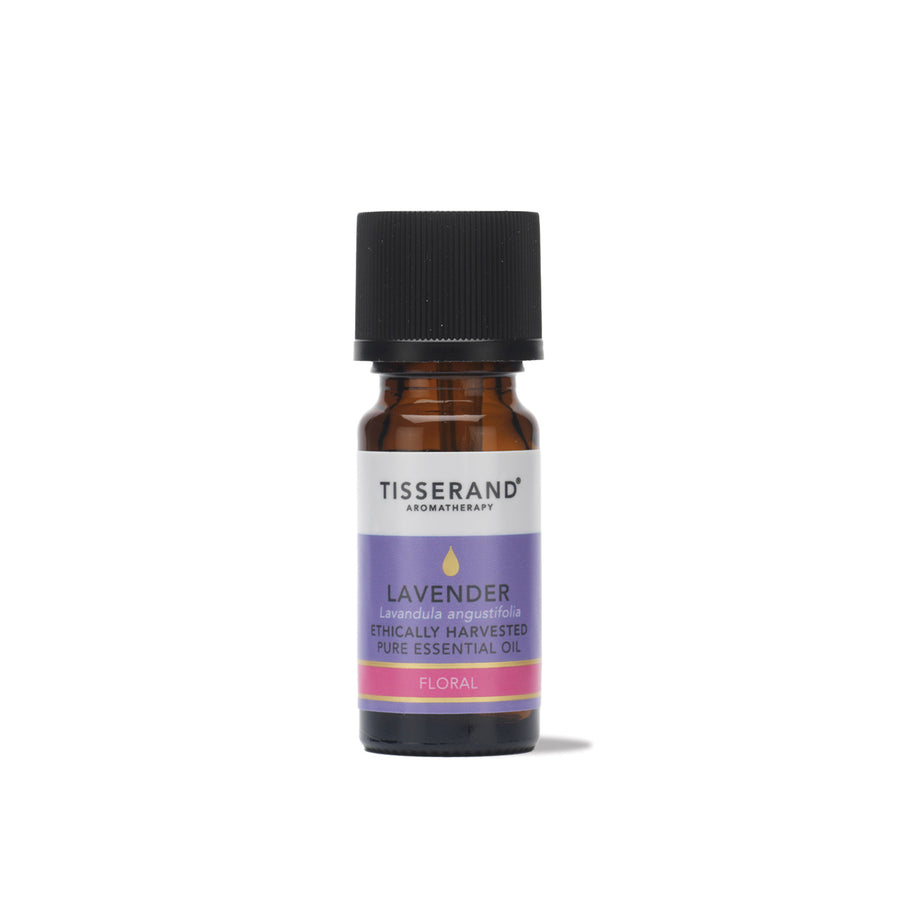
When blended with Lavender, peppermint’s sharp minty scent is
softened by calming floral notes.
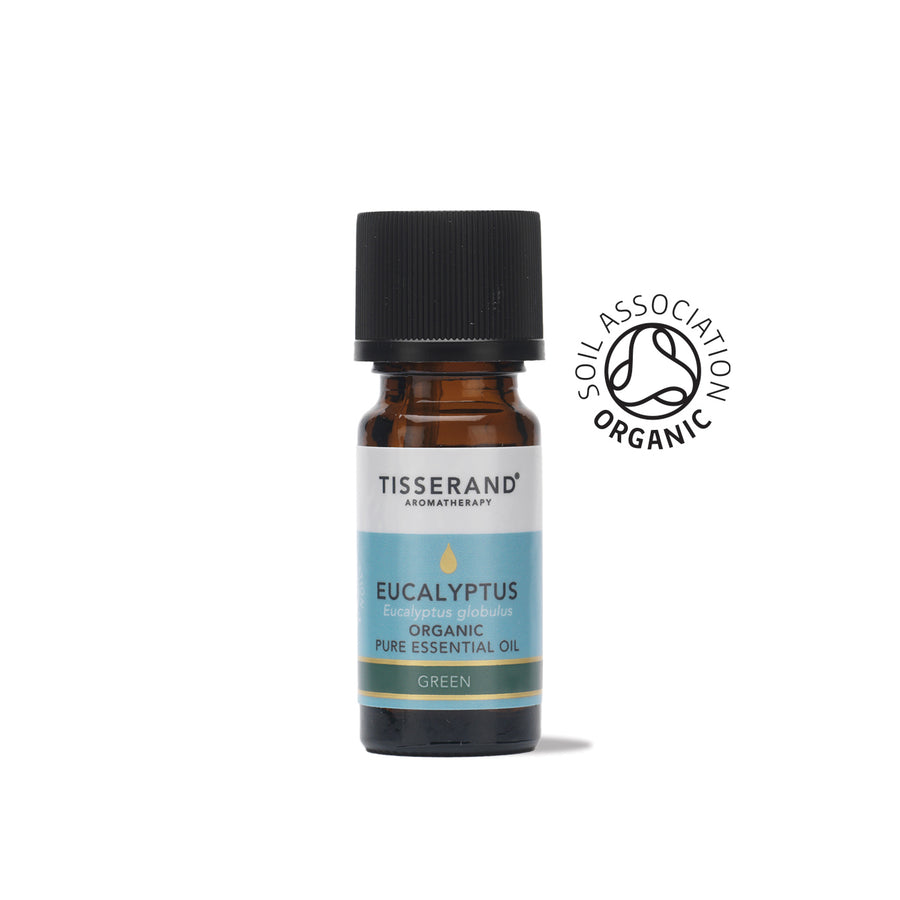
It also pairs well with Eucalyptus or Rosemary for a more clearing and stimulating aromatherapy blend.
Our essential oil expert, Jo Kellett TIDHA MIFPA CIMI, graduated from the Tisserand Institute of Holistic Aromatherapy in 1996. She returned to the college in 1999 as an Essential Oil Therapeutics Tutor, where she taught until the college closed. Jo runs a successful private Aromatherapy practice in Brighton, specialising in Women’s health. Jo is also an internationally published author and has lectured on the subject of Aromatherapy both in the UK and abroad.
For more information on Jo Kellett, check out her website or Instagram