















Essential Oils for Hayfever: Natural Support and Expert Blends to Try

Hay fever, also known as allergic rhinitis, happens when the immune system overreacts to airborne allergens like pollen or dust mites. When these particles enter your nose, eyes, or throat, your body releases Histamine, leading to inflammation and irritation. Symptoms include sneezing, a runny nose, itchy and watery eyes, and sometimes a headache.
Many people experience symptoms at specific times of the year; tree pollen tends to peak in the spring, while grass pollen is more common in summer. Being prepared can make a big difference in keeping discomfort to a minimum, and certain essential oils may help support you through the most common symptoms.
The Best Essential Oils for Hayfever Relief
Let’s take a look at the essential oils I recommend for natural support:
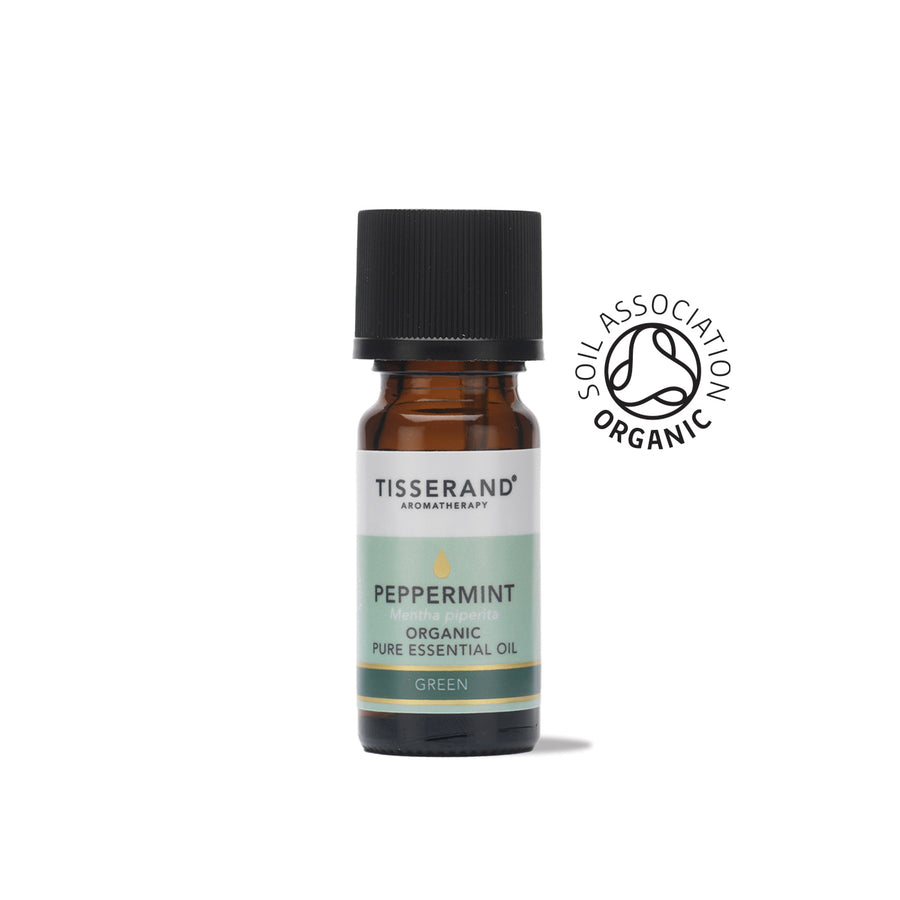
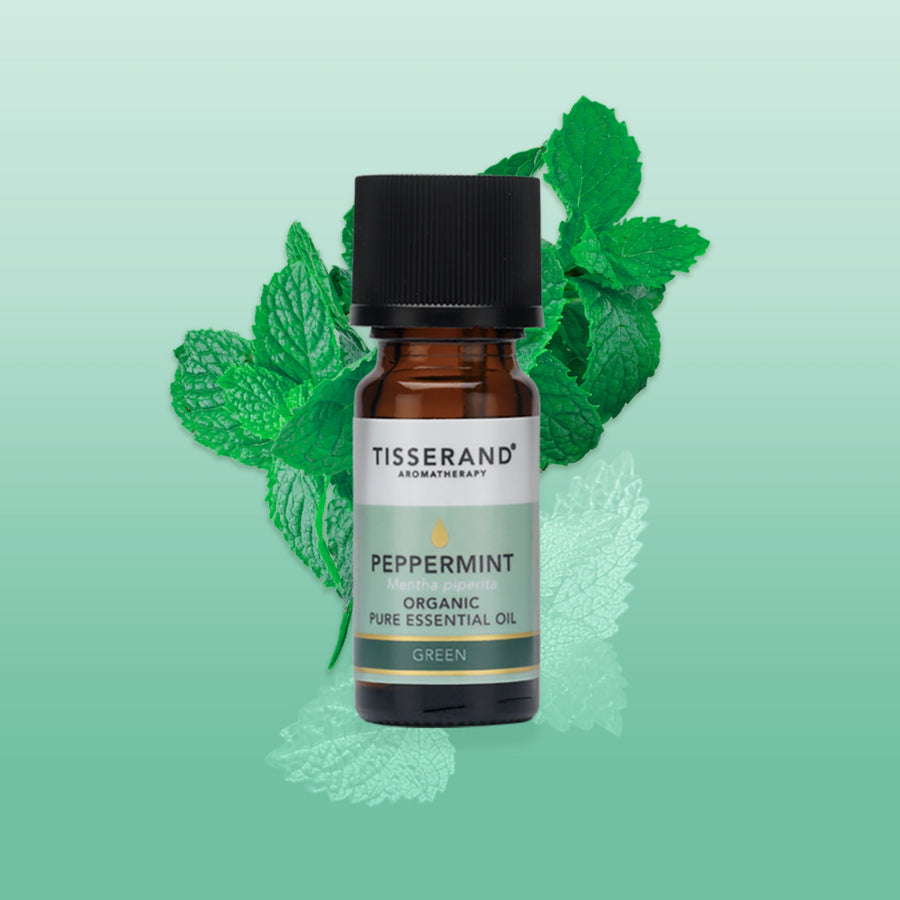
· Peppermint (Metha piperita): This contains Menthol, which is well known to open your airways and reduce nasal congestion.
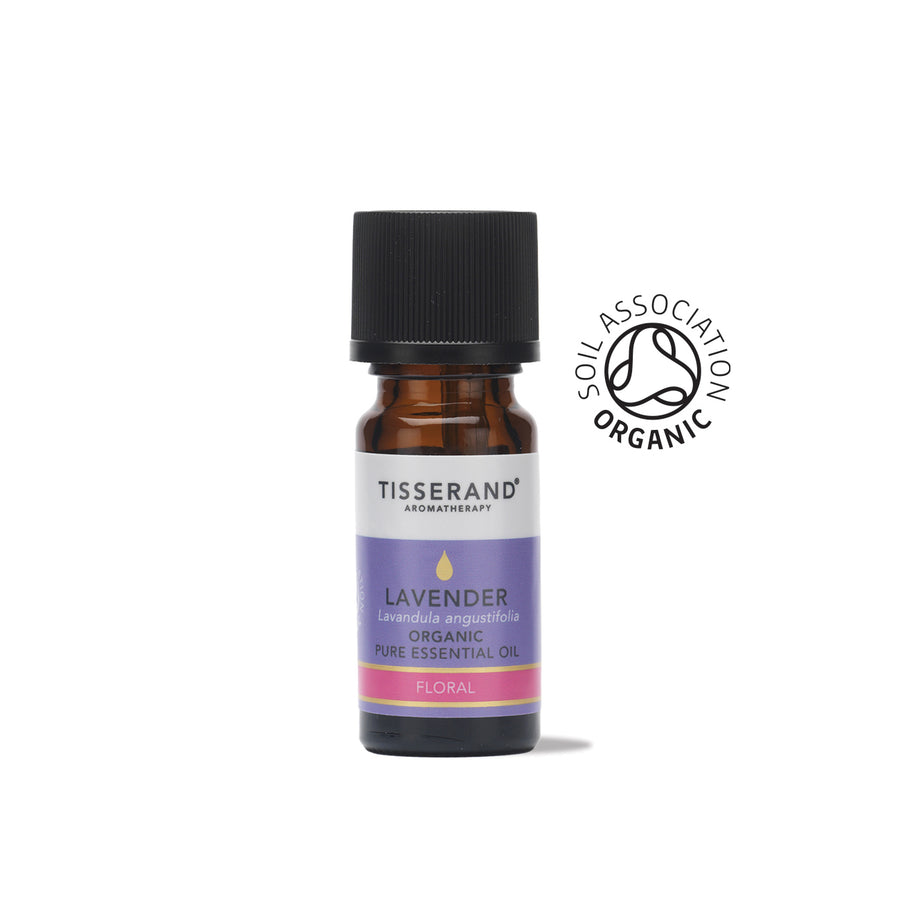
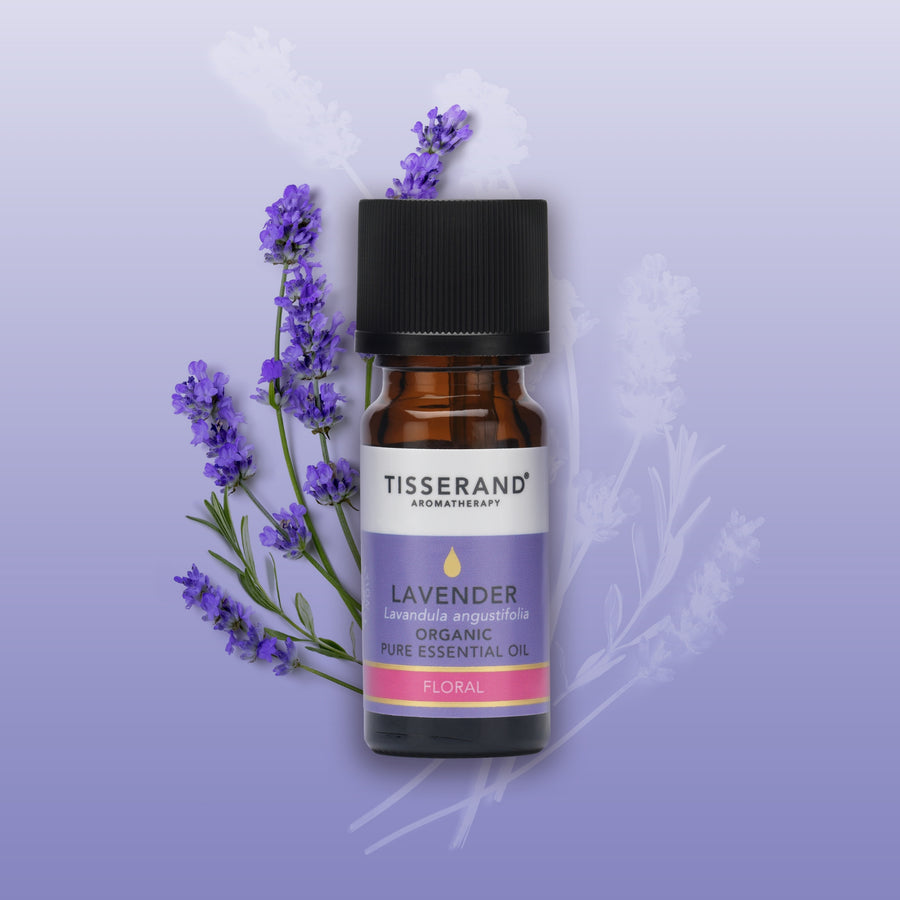
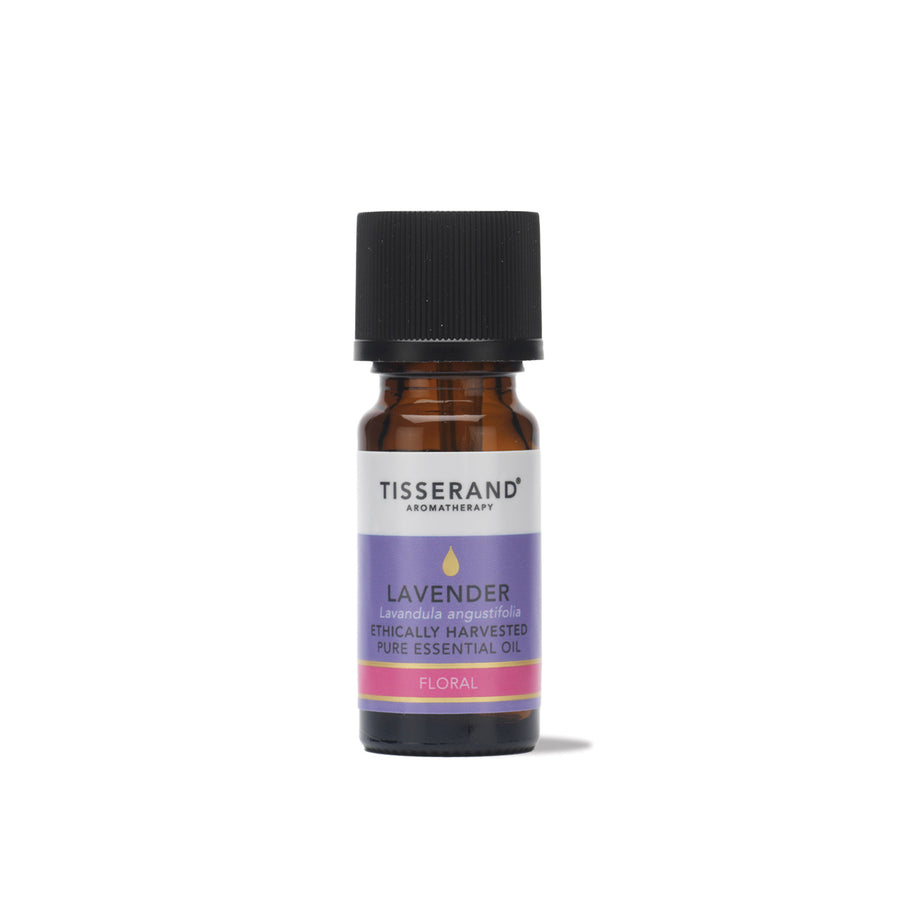
· Lavender (Lavandula angustifolia): Lavender’s properties, Linalool and Linalyl acetate, are naturally anti-inflammatory and calming, helping to reduce your overall allergic response.
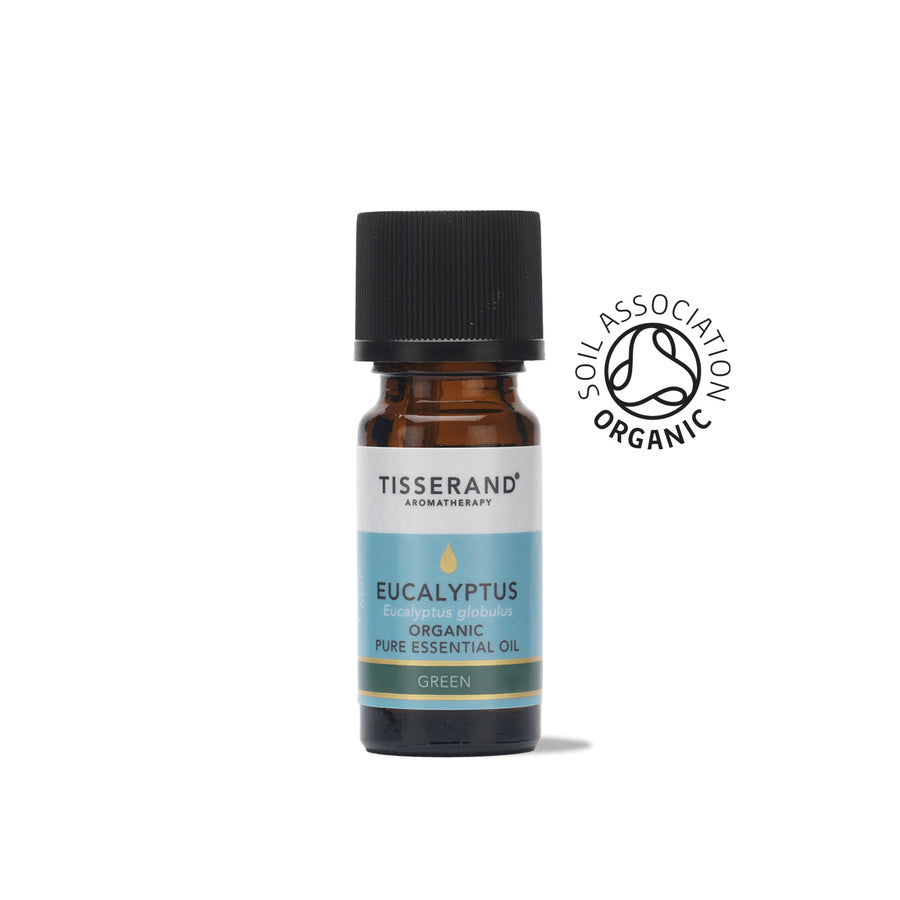
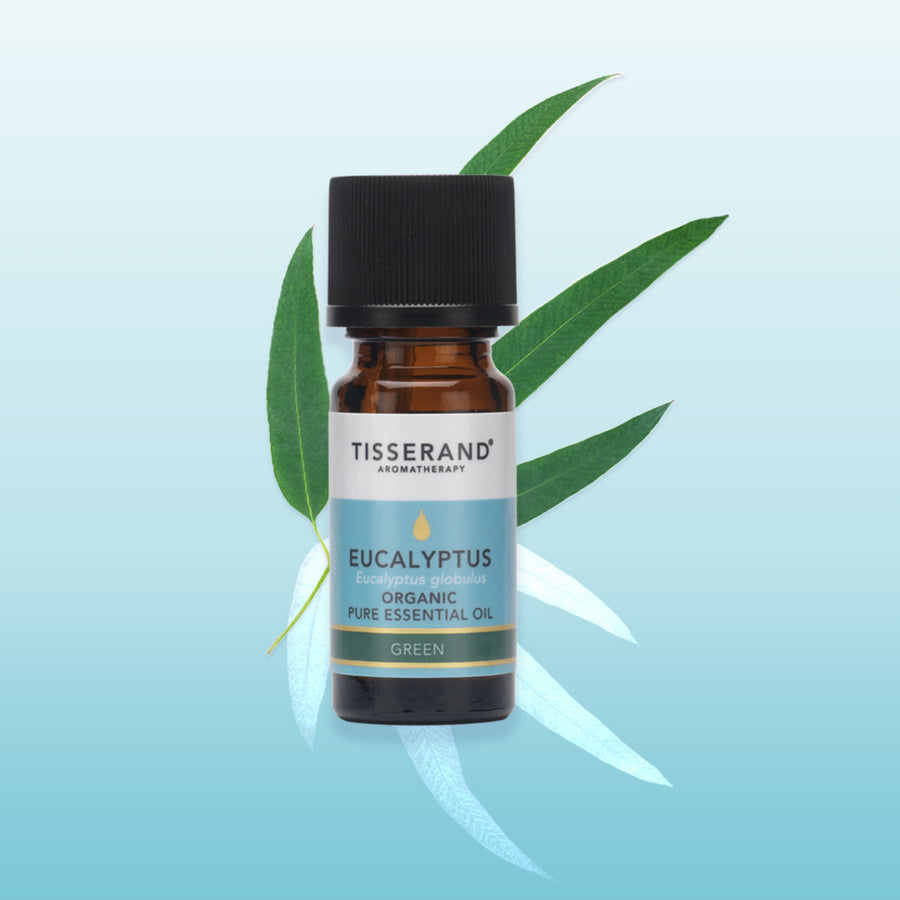
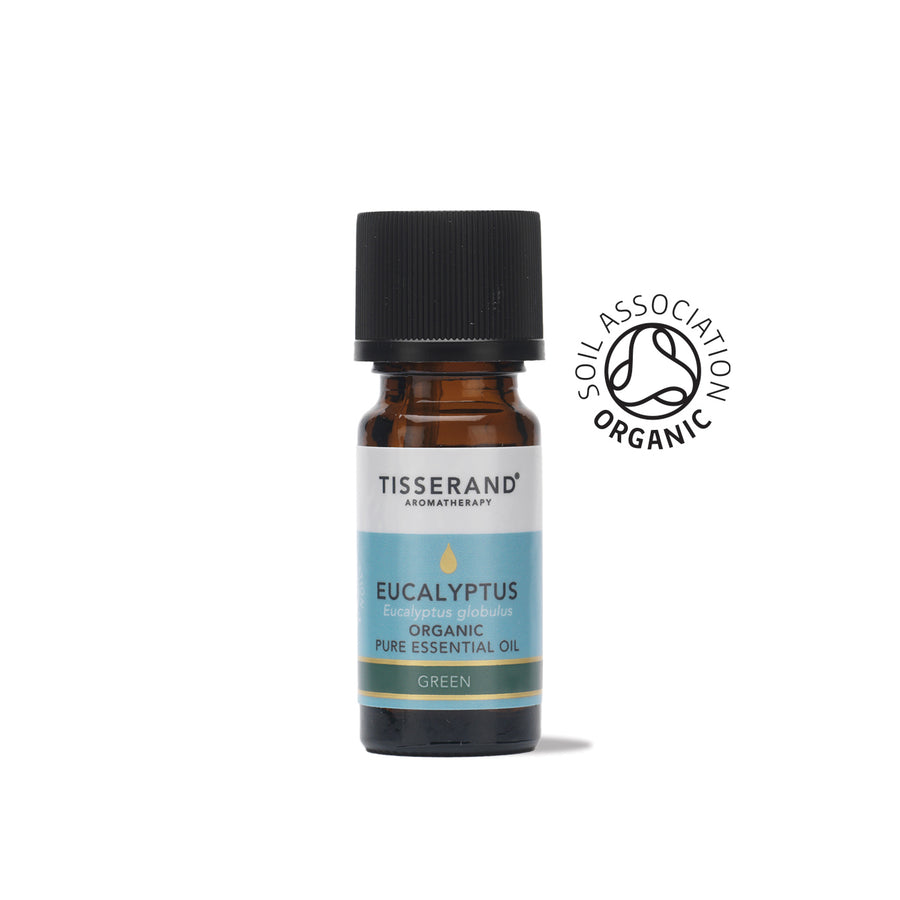
· Eucalyptus (Eucalyptus globulus): High in Cineol, it supports easier breathing and helps clear mucus, easing respiratory discomfort.
· Roman Chamomile (Anthemis nobilis): Contains Chamazulene, providing anti-allergy and anti-inflammatory properties to soothe symptoms.
How to Use Essential Oils for Allergy Support
Using essential oils in your daily routine, whether through diffusion or topical application, can help calm the inflammatory response.
Relief Diffuser Blend
Using a diffuser at home or work can provide continuous relief to hay fever symptoms.
Add the following drops to your Aroma Spa diffuser:
· 2 drops of Peppermint (Metha piperita)
· 2 drops of Eucalyptus (Eucalyptus globulus)
· 4 drops of Lavender (Lavandula angustifolia)
Soothing Body & Face Blends
Applying a blend to the chest can support easier breathing, while a gentle facial blend eases overall discomfort.
Chest Rub for Easing the Breath
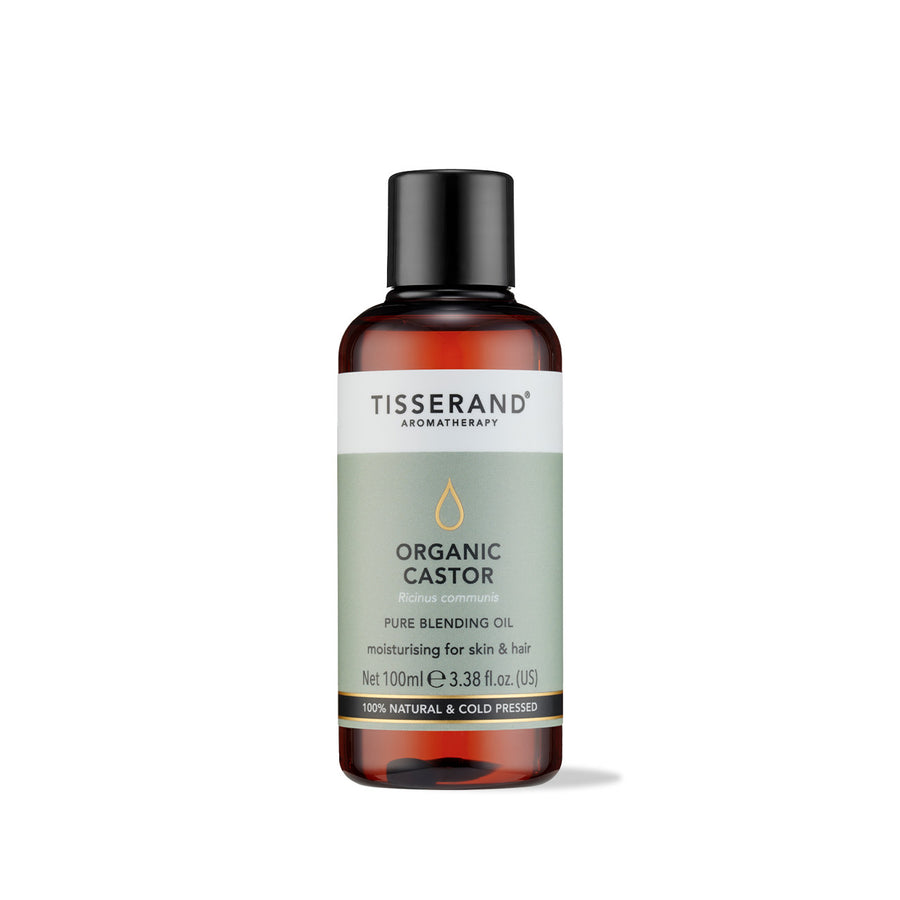
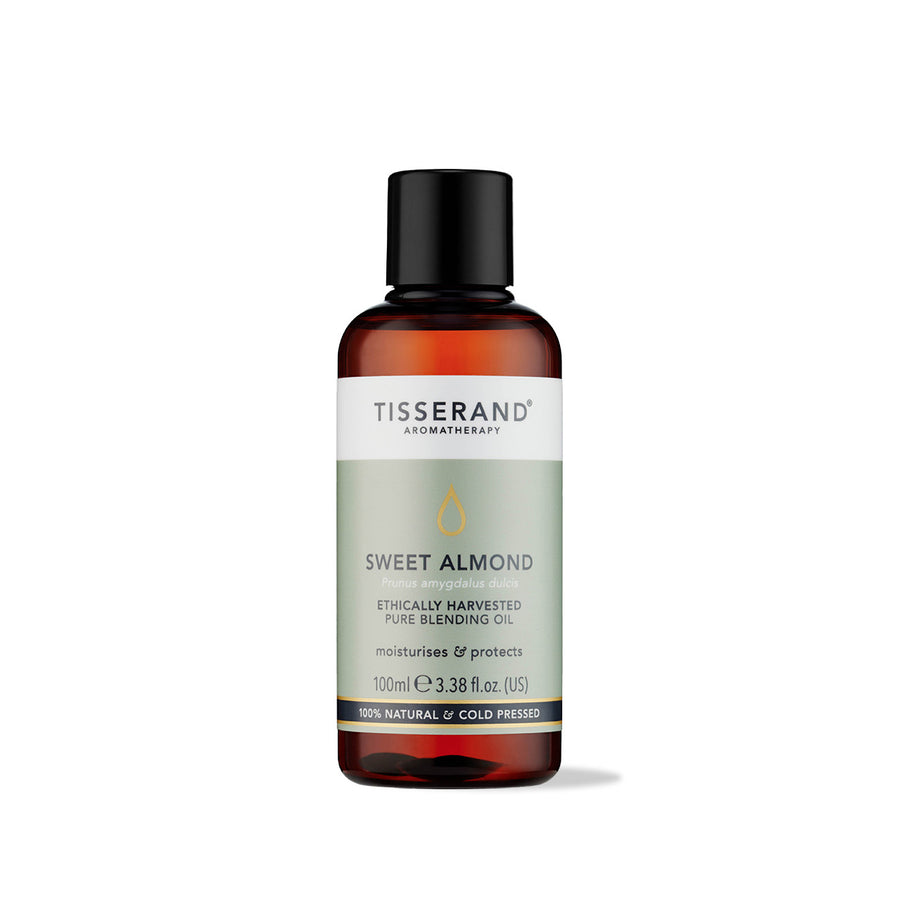
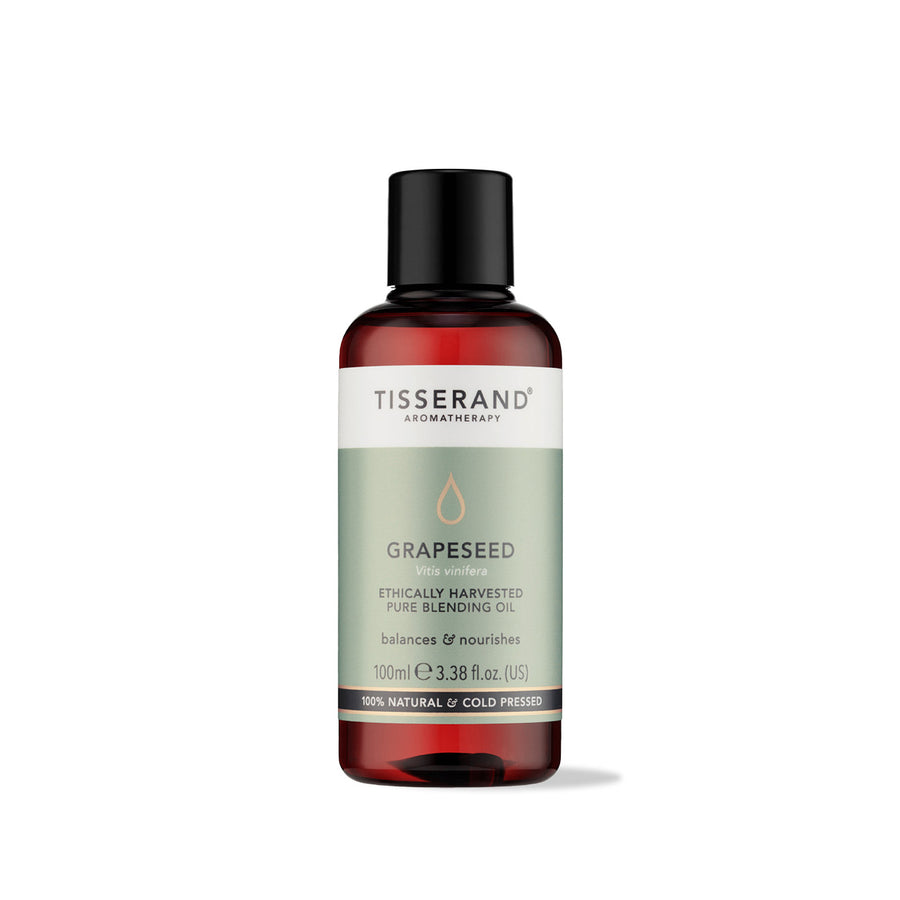
To 20ml of blending oil add:
· 5 drops of Eucalyptus (Eucalyptus globulus)
· 5 drops of Lavender (Lavandula angustifolia)
Apply to upper chest and throat.
Calming Face Blend
To 10 ml of blending oil add:
· 1 drop of Lavender (Lavandula angustifolia)
· 1 drop of Roman Chamomile (Anthemis nobilis)
Apply to the face and neck, avoiding the eye area.
On-the-Go Congestion Relief
For immediate relief while travelling, add a couple of drops of Eucalyptus or peppermint to a tissue and inhale when you feel congested. Avoid letting the tissue touch your skin directly.
As you move through the seasons, having these simple, natural tools at hand can make hay fever feel far more manageable. Whether you choose to diffuse oils at home, apply a soothing blend to your skin, or use a tissue to inhale on the go, these small rituals offer gentle relief when symptoms arise.
Everyone’s experience with hay fever is different, so I encourage you to explore what feels most supportive for you. If you discover a blend or method that works especially well, I’d love to hear about it - your experiences can help others find comfort too. Let us know in the comments!
Safety Note: Essential oils can offer gentle support during hay fever season. However, if you symptoms are persistent or difficult to manage, it is important to consult your GP for further guidance.

About Jo Kellett
Our essential oil expert, Jo Kellett TIDHA MIFPA CIMI, graduated from the Tisserand Institute of Holistic Aromatherapy in 1996. She returned to the college in 1999 as an Essential Oil Therapeutics Tutor, where she taught until the college closed. Jo runs a successful private Aromatherapy practice in Brighton, specialising in Women’s health. Jo is also an internationally published author and has lectured on the subject of Aromatherapy both in the UK and abroad.
For more information on Jo Kellett, check out her website or Instagram.