











Tea Tree Essential Oil: A Beginner’s Guide
Discover more about this powerful natural oil for clear skin, revitalised scalp, and toxin-free home.


Key Benefits of Tea Tree Essential Oil
Tea Tree is a functional powerhouse, known for its potent antimicrobial effects. Its primary active compound, Terpinen-4-ol, provides scientifically backed anti-bacterial, anti-fungal and anti-inflammatory properties, making it an ally for both body and home.
With a sharp, antiseptic, and camphoraceous aroma, it's uniquely equipped to manage blemish-prone skin, support skin healing and act as a heavy-duty natural cleaner. This versatile oil works to reduce redness, eliminate household bacteria, and provide cleaning respiratory support, cementing its place as an everyday staple for those seeking a natural, high-performance wellness tool.

Skin & Scalp Clarifier
Tea Tree is a long-established staple in skincare due to the presence of Terpinen-4-ol. It acts as a high-performance solution for acne by effectively reducing bacteria, claiming redness and assisting in unclogging pores.
Beyond blemishes, its antiseptic properties help regulate excessive oil production, while its anti-inflammatory effects provide a soothing relief for itching and irritation. It’s also a proven ally for managing fungal conditions like Athlete’s Foot and supporting the natural wound-healing process. For hair care, it maintains a healthy scalp environment by reducing dryness and keeping the roots feeling deeply cleansed.

Powerful Natural Cleaner
An effective household cleaner, Tea Tree allows you to transition to a toxin-free home by reducing the need for chemical-heavy alternatives. Its natural antimicrobial properties make it ideal for sanitising high-touch surfaces such as kitchen counters, bathroom fixtures, door handles, and window frames.
When combined with simple household staples like vinegar or washing-up liquid, Tea Tree acts as a potency booster, cutting through grime and leaving your living spaces smelling sharp, fresh and clean.


Seasonal Wellness Ally
When the body is under pressure from seasonal infections, Tea Tree serves as a comforting and supportive ally for the whole family. Its sharp, camphor-like aroma provides a naturally clearing sensation when inhaled, helping you breathe more comfortably through congestion.
Using it in a diffuser, particularly in a ‘sick room’, allows the medicinal vapour to soothe irritated sinuses and provide relief for a scratchy throat whilst cleansing the air.
HOW TO USE
Our Favourite Ways to Use Tea Tree
Simple and effective ways to incorporate Tea Tree essential oil into your daily routine.

Diffuser Blend8Drops
Add 6-8 drops of Tea Tree to your diffuser to purify the air and provide a clearing aroma helpful during seasonal coughs and colds.

Skin Treatment2Drops
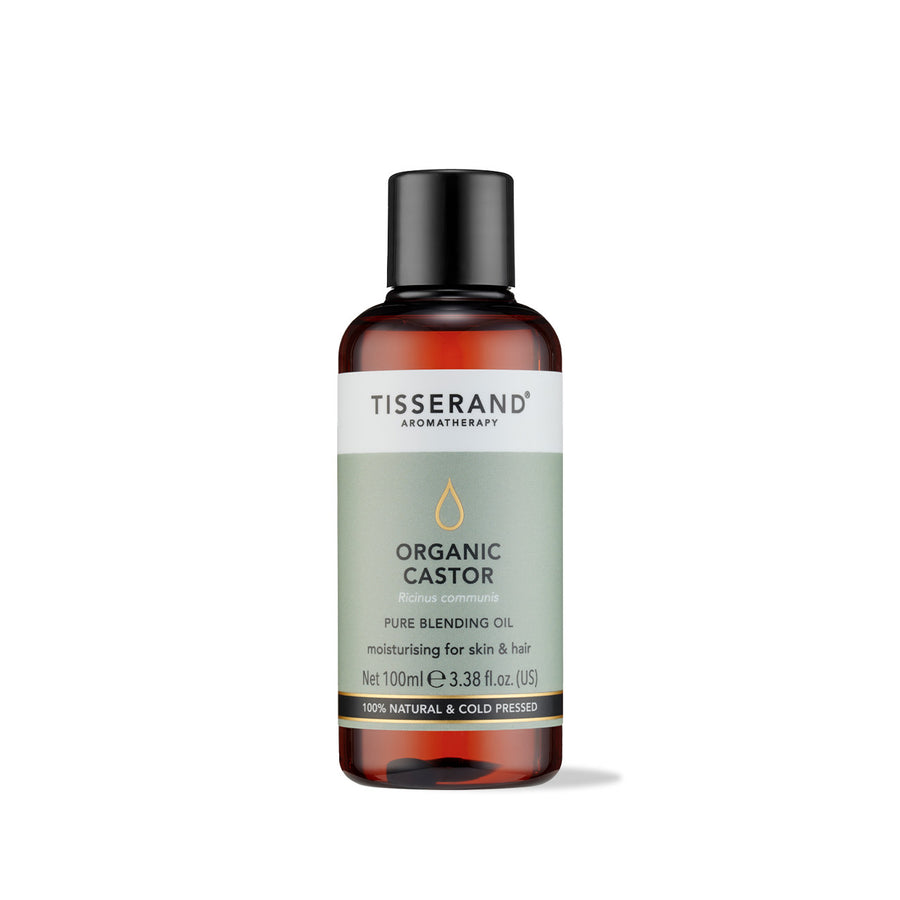
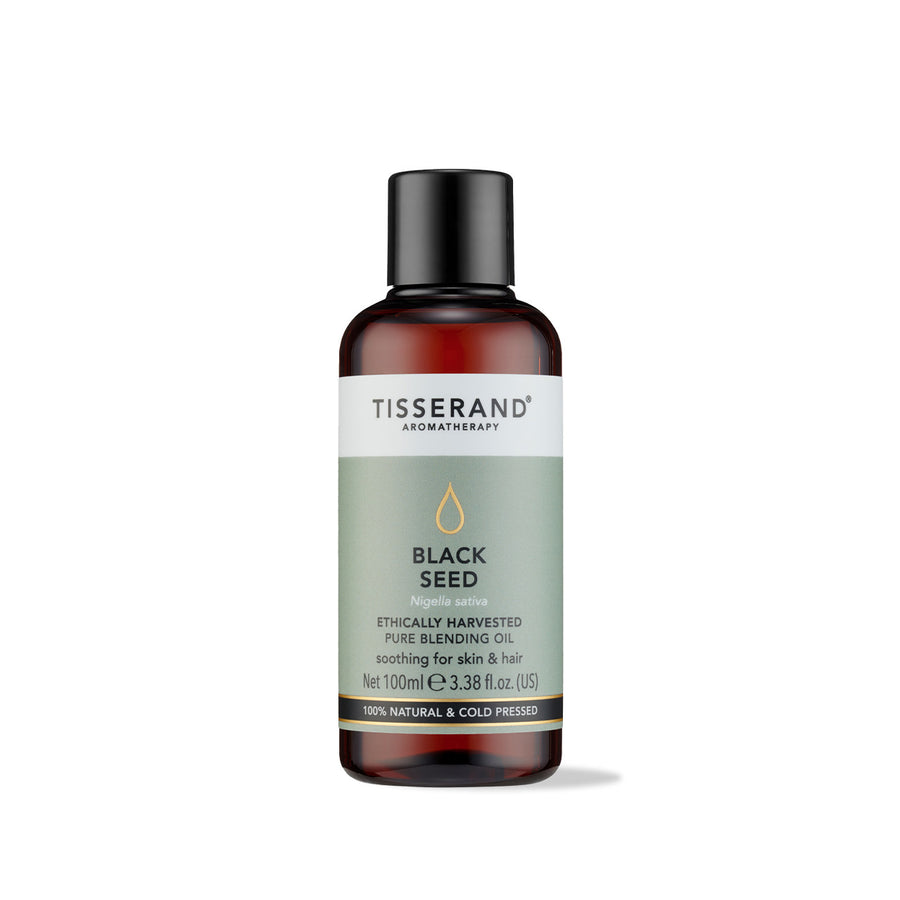
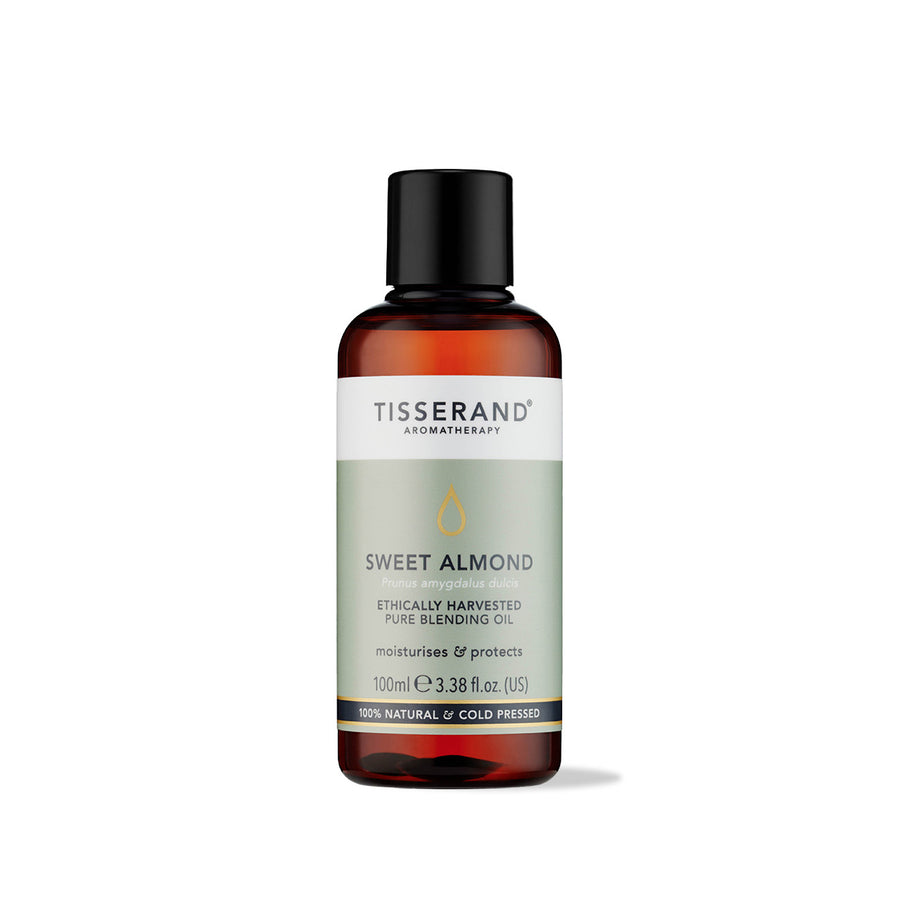
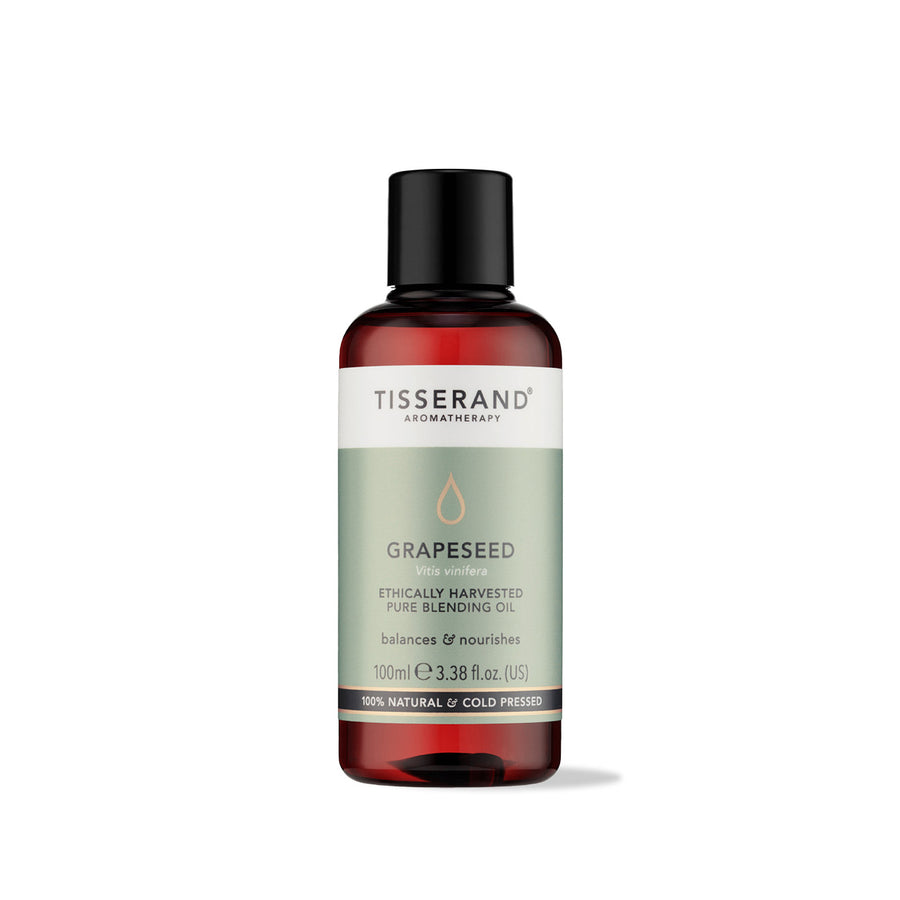
Add 1-2 drops of Tea Tree to a blending oil and apply to spots or blemish prone-areas to reduce redness and bacteria.

Hair Mask5Drops
Add 5 drops of to 10ml of blending oil and massage into the scalp. Leave in for up to 30 minutes before washing out with your usual shampoo.

Surface Spray10Drops
Combine 10 drops of Tea Tree with 250ml water and 250ml white vinegar in a spray bottle. Shake well and spray over surfaces, then wipe with a cloth.

Foot Soak5Drops
After a long day, add 5 drops of Tea Tree to 10ml of blending oil and stir into a bowl of warm water to support fungal conditions and refresh feet.



About Tea Tree Essential Oil

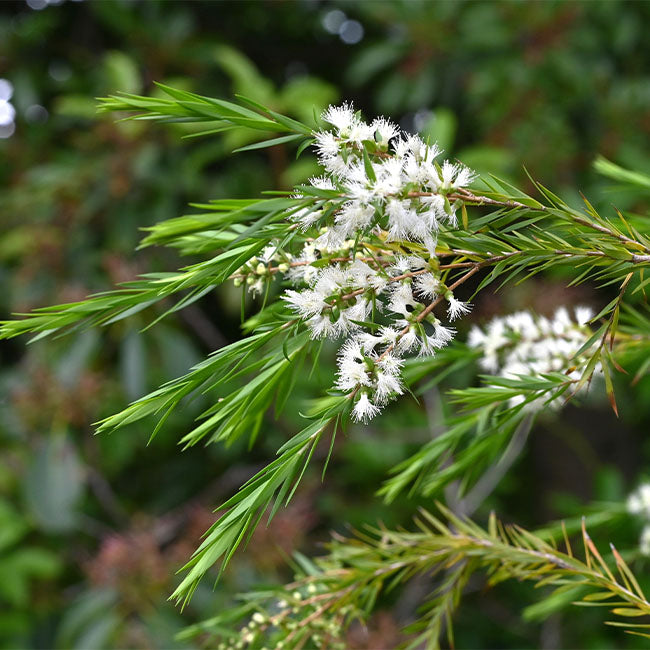
100% Pure Melaleuca alternifolia (Tea Tree) leaf oil
Our organic Tea Tree essential oil originates from Australia. It's extracted using steam distillation, where the oil is drawn from the green leaves and twigs of the tree, to produce a thin and clear essential oil.
A Brief History of Tea Tree

Botanical Origins
Native to Australia, Tea Tree (Melaleuca alternifolia) is a member of the Myrtaceae (Myrtle) family, shared with Eucalyptus. It stems from the Greek melas (black) and leukos (white), describing its distinctive contrasting bark and stems.

Indigenous Roots
The Bundjalung people of New South Wales first discovered the power of Tea Tree leaves, using them for respiratory relief and wound poultices. This ancient medicinal use laid the foundation for the oil’s reputation as a functional powerhouse.

Exploration
The name ‘Tea Tree’ originated in the 18th century when Captain Cook observed the indigenous population using the leaves as medicine. While crossing the Pacific, Cook and his sailors began brewing the leaves into tea.

A Global Staple
Tea Tree became a vital household remedy in Australia and was a mandatory part of an Australian soldier’s kit during WWII. This spread the oil’s fame across the globe, leading to its modern status and wide use today.
ESSENTIAL OIL FAQS
Ask Our Aromatherapist
Yes, Tea Tree oil is a long-established choice for skincare. It contains Terpinen-4-ol, a major active compound with potent antimicrobial and anti-inflammatory properties. When diluted in a blending oil and applied to breakout-prone areas, it helps reduce acne-causing bacteria, calms redness, and may help unclog pores to improve the skin's appearance over time.
Tea Tree has natural insect-repellent properties that can deter mosquitoes to an extent. However, its effectiveness increases significantly when blended with more powerful natural repellents like Lemongrass or Citronella.
Tea Tree supports a healthy scalp by reducing dryness and calming irritation. It must always be diluted before use. We recommend adding 1 drop of Tea Tree per 15ml of shampoo or blending oil to keep the scalp feeling clean and refreshed.
Yes, Tea Tree is widely recognised for its powerful anti-fungal properties. This makes it an effective supportive ally for improving the appearance of fungal skin and nail conditions over time. To use safely, it must be diluted in a blending oil rather than applied neat.
We do not advise using any essential oils during the first trimester of pregnancy.
For detailed guidance on which oils are beneficial and safe to use after the first trimester, take a look at our pregnancy blog articles.
Tea Tree has a functional and assertive character. Its aroma is clean, sharp, and antiseptic. Often described as medicinal or camphoraceous, it also features green, herbal top notes and a subtle earthy base.
Tea Tree belongs to the same family as Eucalyptus and pairs beautifully with other fresh, medicinal aromas. Citrus oils, particularly sharper notes like Lemon or Lime, complement its clean scent. For those who find the aroma too medicinal, Lavender is an ideal partner to soften and balance the blend.
Tea Tree is often used to manage head lice due to its natural antimicrobial and repellent properties. You can add 1 drop per 15ml of shampoo for regular cleansing. For a more intensive treatment, add 1 drop per 10ml of blending oil, comb through the hair, and leave for 10–15 minutes before washing with your regular shampoo.
Disclaimer: Tea Tree is considered a supportive essential oil for skin health and immunity. If you have any specific concerns regarding your health, please seek advice from a medical professional.
Our essential oil expert, Jo Kellett TIDHA MIFPA CIMI, graduated from the Tisserand Institute of Holistic Aromatherapy in 1996. She returned to the college in 1999 as an Essential Oil Therapeutics Tutor, where she taught until the college closed. Jo runs a successful private Aromatherapy practice in Brighton, specialising in Women’s health. Jo is also an internationally published author and has lectured on the subject of Aromatherapy both in the UK and abroad.
For more information on Jo Kellett, check out her website or Instagram