











Gardening with Essential Oils: A Natural Approach to Pest Control

Essential oils are becoming a powerful tool for natural pest control, helping gardeners protect both indoor and outdoor plants without relying on harsh chemicals. Unlike traditional pesticides, which often kill beneficial insects alongside pests, essential oils can help target common garden problems while supporting pollinators like bees and butterflies. From deterring aphids and fungus gnats to promoting a healthier, more balanced garden ecosystem, essential oils offer an eco-conscious approach to Integrated Pest Management that's safer for your plants, pollinators, and the environment.
Common Gardening Problems & Essential Oil Solutions
1. Soil Health & Fungal Growth
Fungal problems thrive in damp, stagnant conditions and often begin in the soil before becoming visible.
Common Issues
- Fungus Gnats
- Thrips (pupae stage)
- Powdery Mildew
- Soil Mold
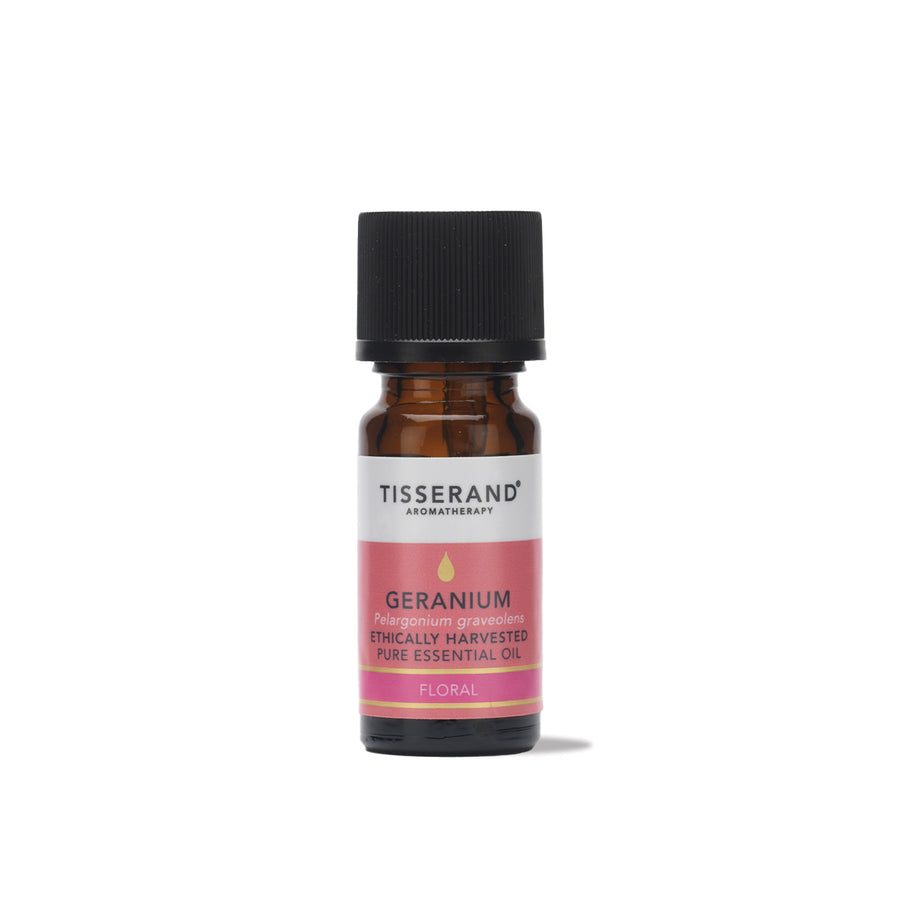
Best Oils
How They Work
Tea Tree oil contains terpinen-4-ol, a natural antifungal compound that disrupts fungal cell membranes. Reducing fungal growth also removes food sources for pests like fungus gnat larvae.
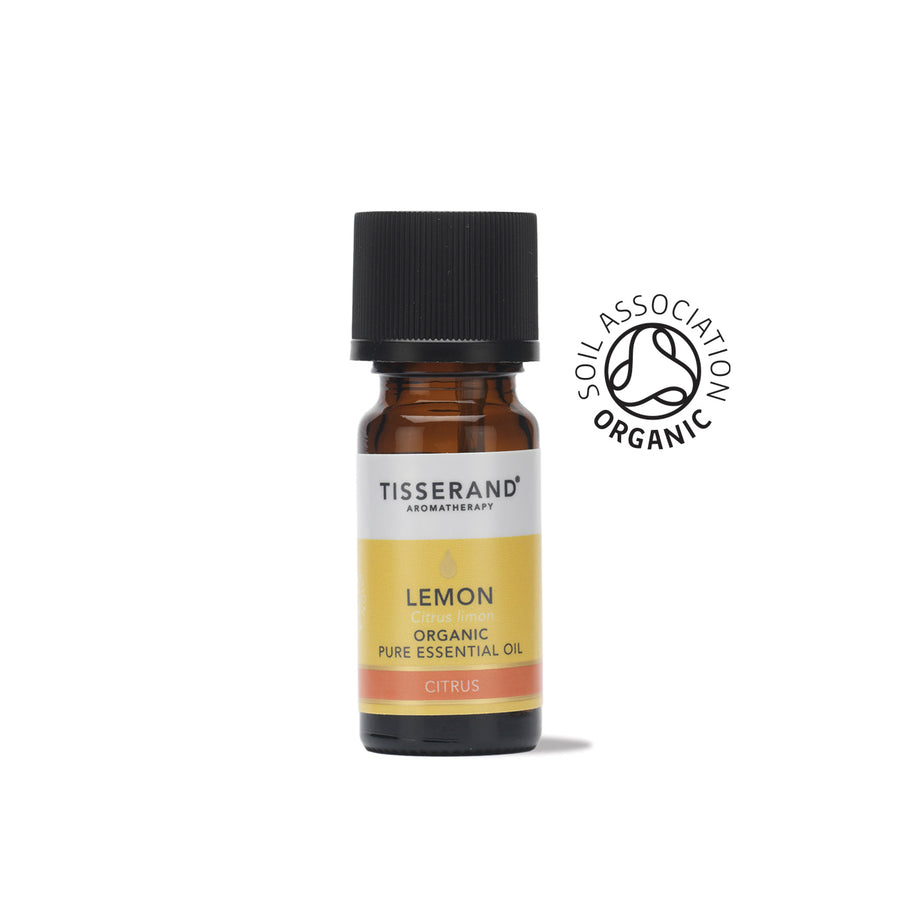
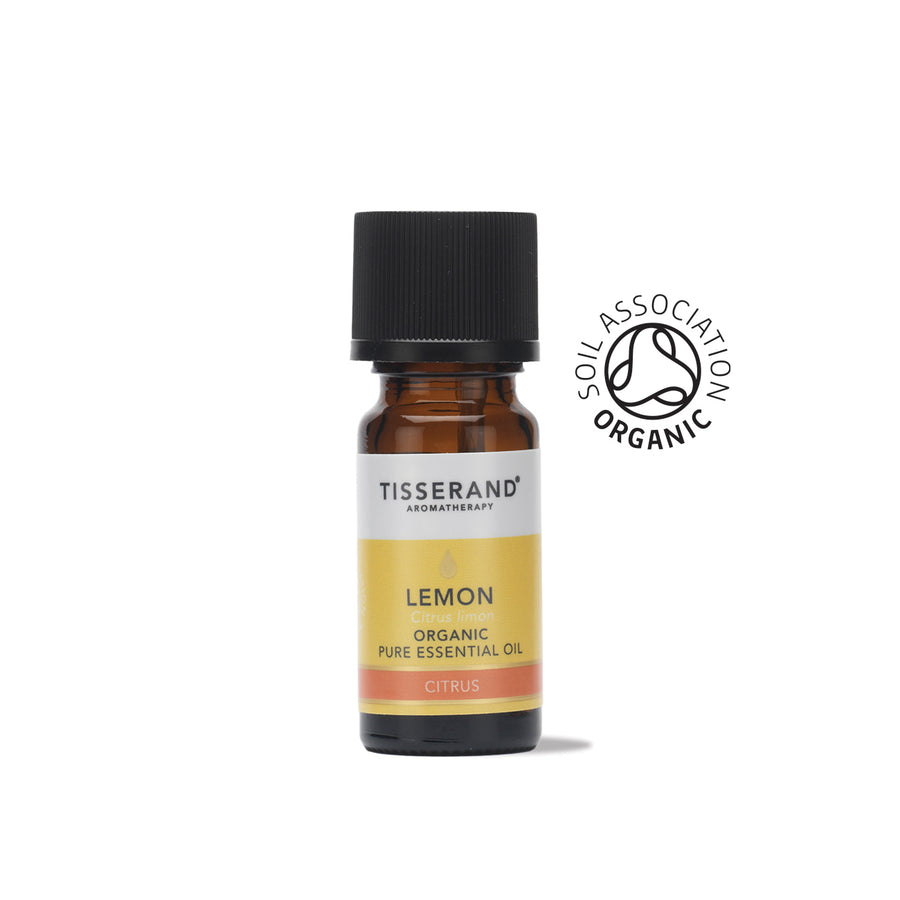
Lemon essential oil breaks down the fungal spore walls as it is a natural fungistat (stops fungal reproduction).
Applications
Soil Drench (Indoor & Outdoor)
- 5 drops Tea Tree oil
- 2 tsp natural washing-up liquid
- 1 litre water
- Stir until cloudy and water directly into the soil.
Foliage Spray
- 10 drops Lemon or Tea Tree oil
- 1 tsp natural washing-up liquid
- 500ml water
- Shake well and lightly mist leaves affected by mildew.
2. Masking Plant Scents
Many pests locate plants through scent. Essential oils can create a “scent barrier” that confuses insects and prevents them finding host plants.
Common Issues
- Aphids
- Cabbage White Butterflies
- Mosquitoes & Flies
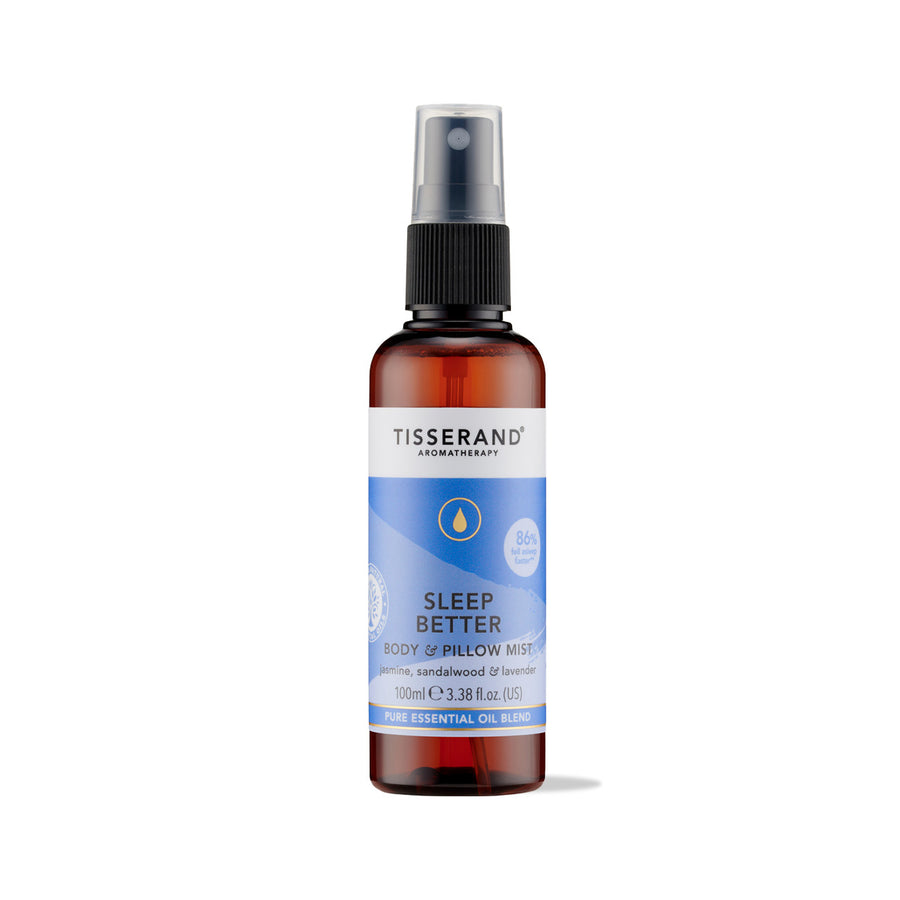
Best Oils
How They Work
Strong aromatic oils overwhelm insects’ sensory receptors, masking the scent of vulnerable plants.
Applications
Scented Stakes (Outdoor)
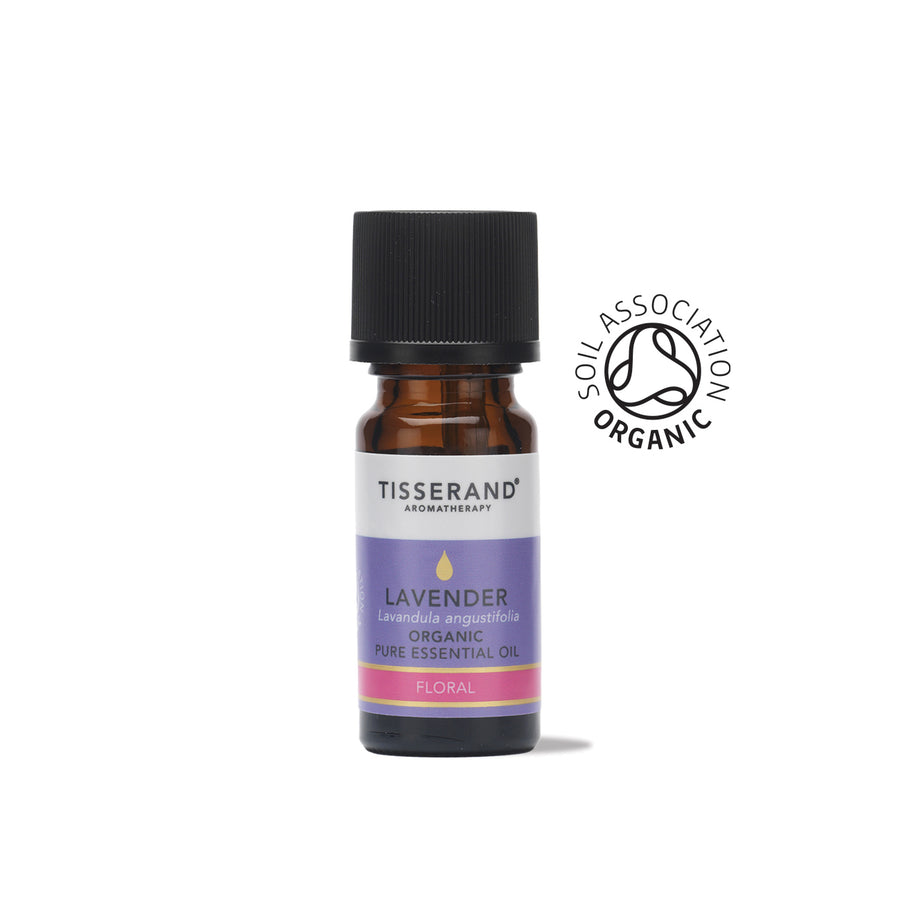
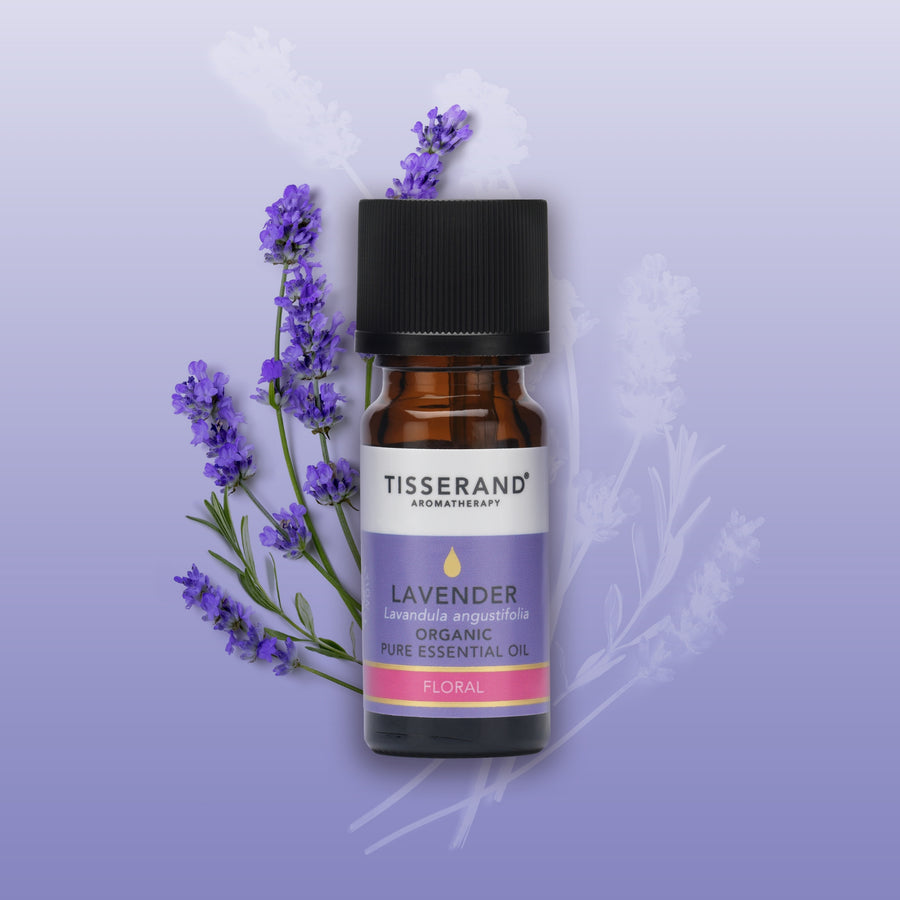
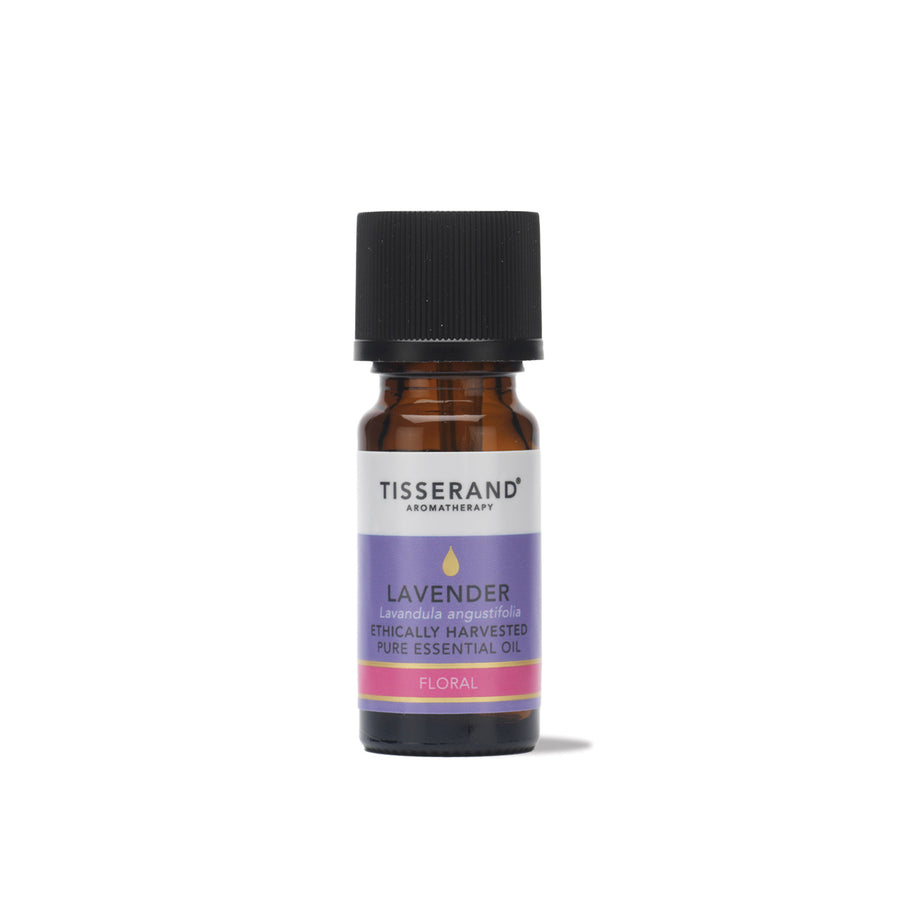
- Soak ribbons in Lavender oil
- Tie them to bamboo canes
- Place them every few feet in your vegetable patch or border garden
Perimeter Spray (Indoor & Outdoor)
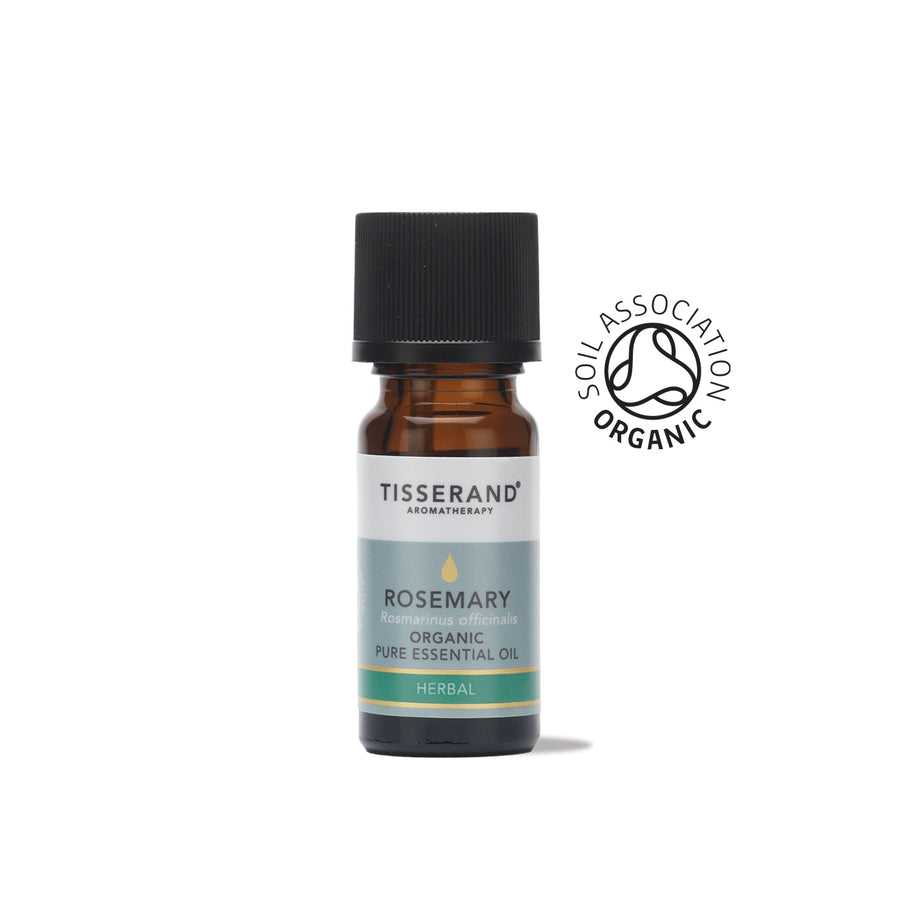
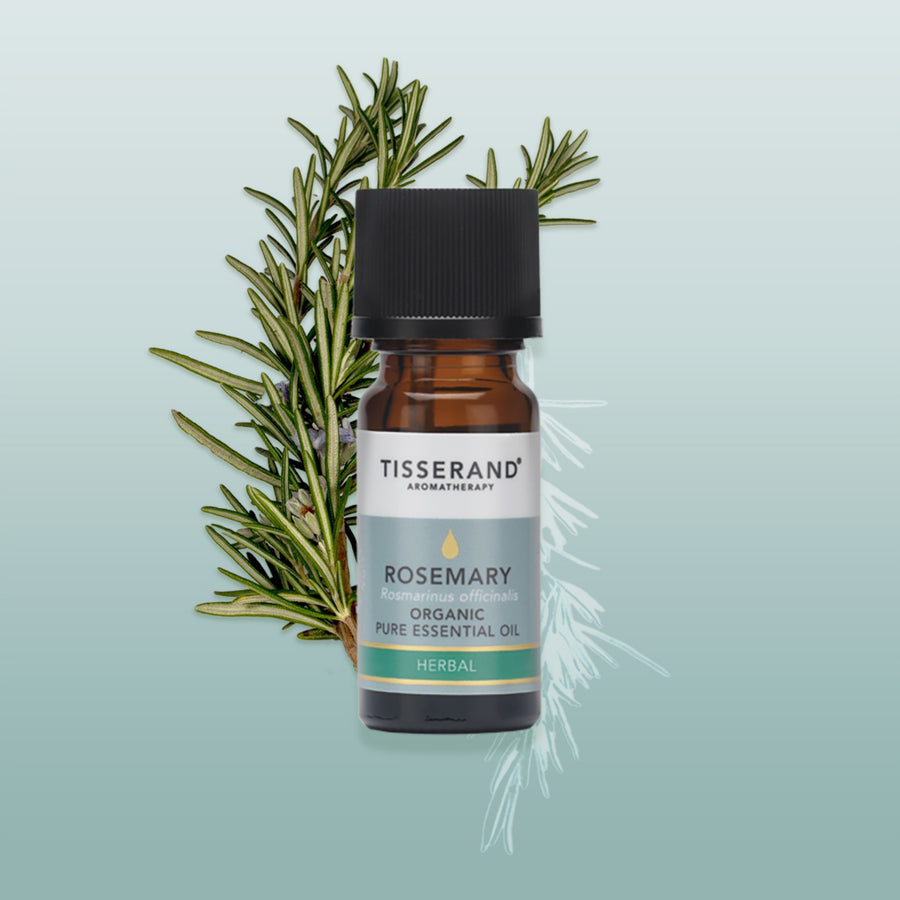
- 10–20 drops Rosemary oil
- 1 tsp natural washing-up liquid
- 500ml water
- Shake well to combine
3. Disrupting Pheromone Trails
Ants and spiders rely on scent trails to navigate. Essential oils can interrupt these invisible pathways.
Common Issues
- Ants
- Spiders
Best Oils
Peppermint or Lemon
How They Work
Peppermint’s menthol and Lemon’s d-limonene acts as both an irritant and a “chemical eraser,” disrupting pheromone trails and preventing insects from returning.
For spiders, the d-limonene and Citral in Lemon essential oil creates an overwhelming scent that signals the area is chemically hostile, forcing them to relocate.
Applications
Cotton Ball Method (Indoor)
- Add 2–3 drops Peppermint oil to cotton balls
- Place near pots, windowsills or entry points.
Trail Eraser Spray
- 15–20 drops Lemon oil
- 1 tsp natural washing-up liquid
- 500ml water
- Spray directly onto ant trails, doorframes, windowsills and plant pots.
4. Soft-Bodied Pests & Surface Protection
Some pests require stronger deterrents that disrupt their protective outer layers.
Common Issues
- Spider Mites
- Slugs & Snails
- Mealybugs
- Thrips
Best Oils
Lemongrass or Peppermint
How They Work
Lemongrass contains citral, which helps break down the waxy coatings of pests like mealybugs and mites. Peppermint’s intense cooling sensation deters slugs and snails.
Applications
Pest Treatment Spray (Indoor)
- 6–8 drops Lemongrass oil
- 1.5 tsp natural washing-up liquid
- 500ml water
- Spray thoroughly across the plant, especially affected areas, to remove pests and help prevent new infestations.
High-Intensity Barrier Spray (Outdoor)
- 15–20 drops Peppermint oil
- 1.5 tsp natural washing-up liquid
- 500ml water
- Apply around pots, greenhouse legs, gates or create a 3-inch protective ring around plants.
How Essential Oils Support Pollinators
Encouraging bees and butterflies improves both garden productivity and biodiversity.
Benefits Include:
- Higher food yields and better-quality produce
- Improved biodiversity and natural pest balance
- Increased seed production and future blooms
- Support for declining pollinator populations
Even small gardens or balconies can become valuable safe spaces for pollinators.
Best Oils
Timing Cheat Sheet
For best results, consistency is key when using natural pest control methods. Use the timing guide below to help maintain protection, break pest life cycles and keep your garden healthy year-round.
Task |
Frequency |
Why? |
Pest Infestations |
Every 2–3 days |
To break the life cycle of fast-breeding pests like Aphids or Thrips. |
Preventative Barriers |
Every 5–7 days |
To maintain a “scent cloud” that masks your plants from scouts. |
Soil Drench (Fungus/Gnats) |
Every 7–10 days |
To catch larvae as they hatch from the soil. |
Pollinator Attractants |
Every 3–4 days |
Volatile oils like Lavender and Orange evaporate quickly in the sun. |
After Rainfall |
Immediately |
Rain washes away the soap/oil emulsion, leaving your plants unprotected. |
Safety Information:
Remember: Essential oils are powerful chemical compounds that can be dangerous if not used correctly, especially around children and pets.
Child Safety
- Store essential oils and DIY sprays out of children’s reach, ideally in locked cupboards or on high shelves
- Clearly label all homemade solutions with contents and mixing dates, and never reuse food or drink containers.
- Children helping in the garden should not handle concentrated oils or treatment sprays.
Animal & Pet Safety
- Pets have a much more sensitive sense of smell than humans and their livers process compounds differently.
- Tea Tree and Peppermint oils can be toxic to cats and dogs if ingested or absorbed in high concentrations.
- Keep pets out of treated areas until any sprays or treatments have completely dried.
- Avoid spraying plants pets regularly chew on or can easily access.
- If using high-aroma barrier sprays indoors, keep rooms ventilated and ensure pets can leave the area freely.
Plant Safety
Essential oils can be damaging to plant tissues if used incorrectly.
- Never spray during direct sunlight to avoid leaf scorch. Always apply in the early evening.
- Patch test each plant 24 hours before full application.
- Avoid spraying dehydrated or wilted plants – water them a few hours before so their cells are resilient.
- Do not use oil sprays on “hairy” plants such as African Violets or tomato leaves, as the hairs trap the oil against the surface leading to rot.
Protecting Beneficial Insects
Good pest management protects pollinators and helpful insects too.
- Avoid spraying entire gardens unnecessarily, treat only affected plants.
- Never spray directly onto open flowers where bees and butterflies feed, focus sprays on leaves and stems instead.