










Essential Oils in Pregnancy & Early Motherhood

Pregnancy and early motherhood is a joyous time, but it also brings significant changes both physically and emotionally. From the second trimester onwards, essential oils can offer gentle, nurturing support as you navigate these shifts.
Many women find aromatherapy helpful for soothing skin changes, easing sleep difficulties, comforting muscular aches, and supporting overall emotional wellbeing. Used safely, pregnancy-safe essential oils can be a deeply comforting addition to your self-care routine.
However, it is important to remember that some essential oils are not suitable during pregnancy or breastfeeding, and any aromatherapy blends you create must be used at a lower dilution to keep them safe for both you and your baby.
The Golden Rules of Pregnancy Aromatherapy
- Avoid using essential oils entirely during the first trimester.
- Maintain a 1% dilution for any handmade blend intended for topical use (applied directly to the skin).
- Never ingest essential oils or apply them neat (undiluted) to the skin.
What Does a 1% Dilution Mean?
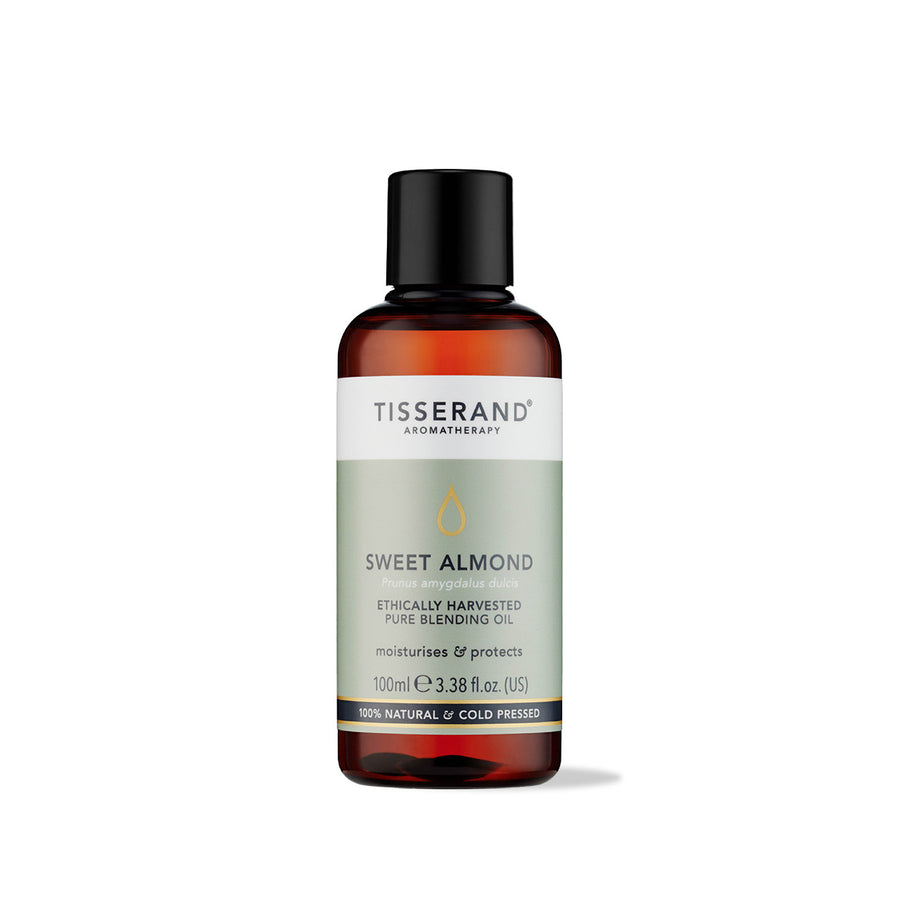
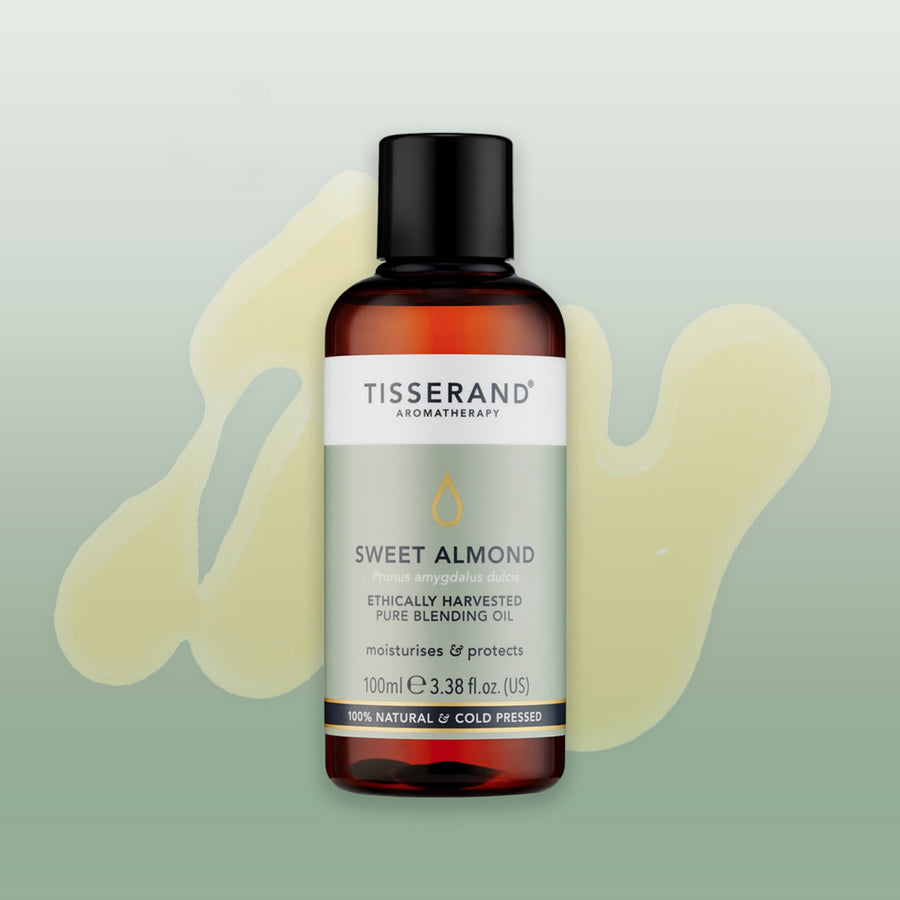
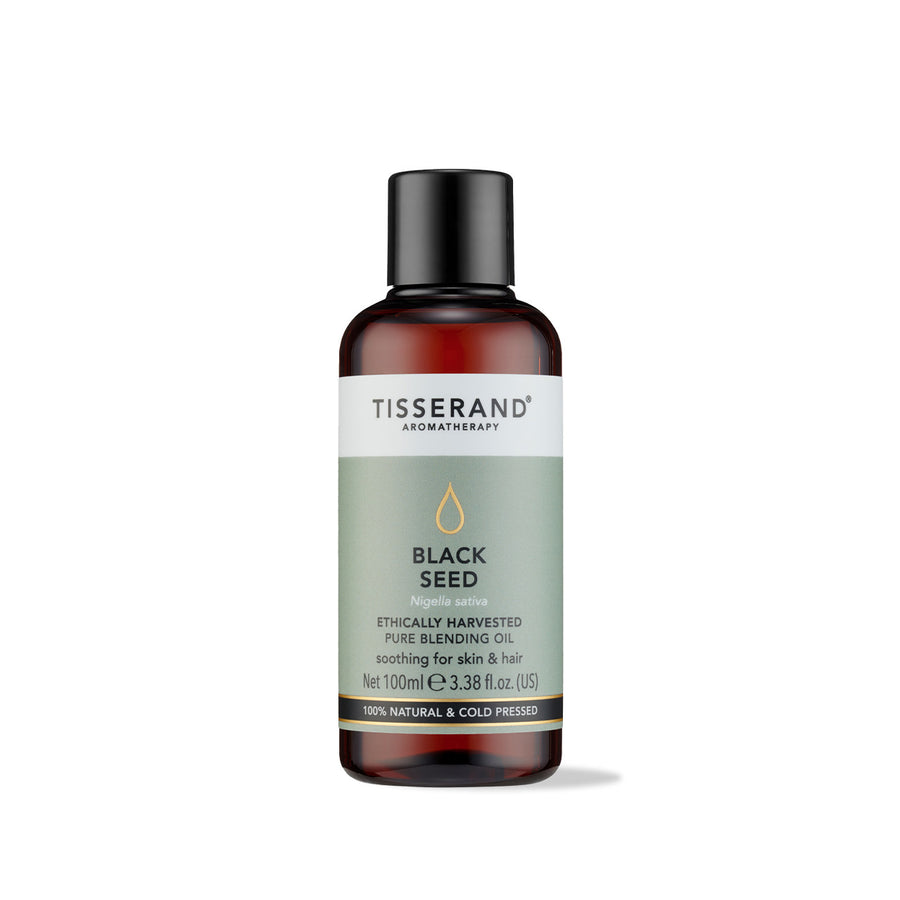
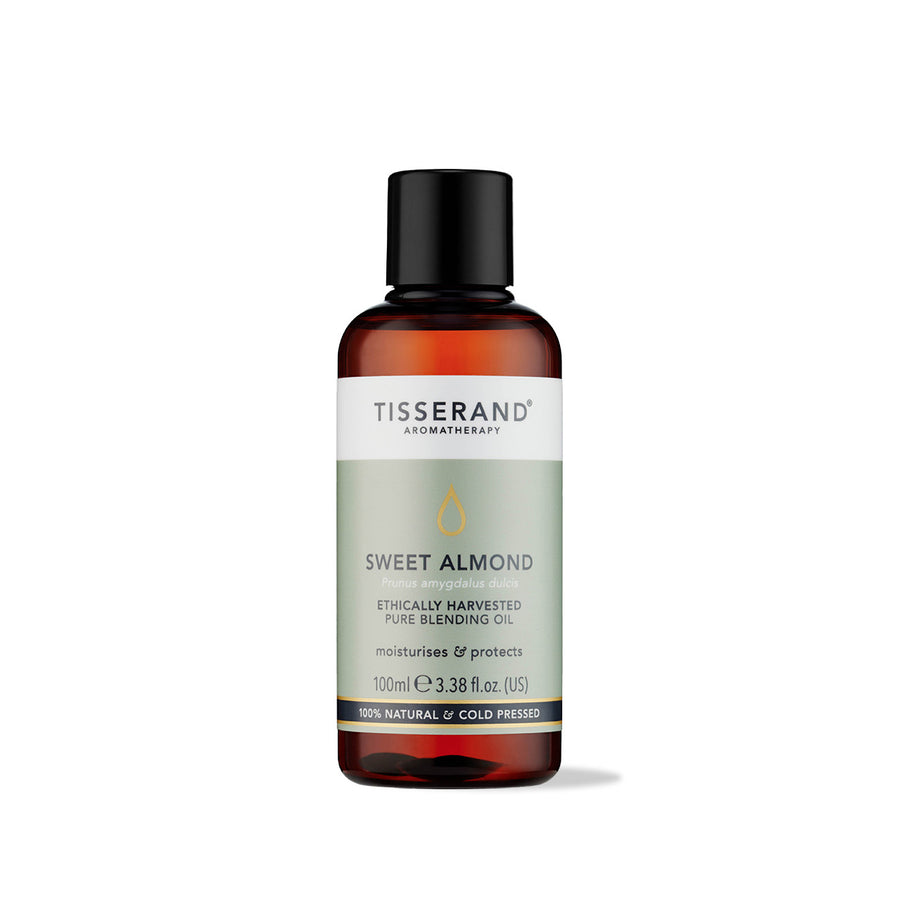
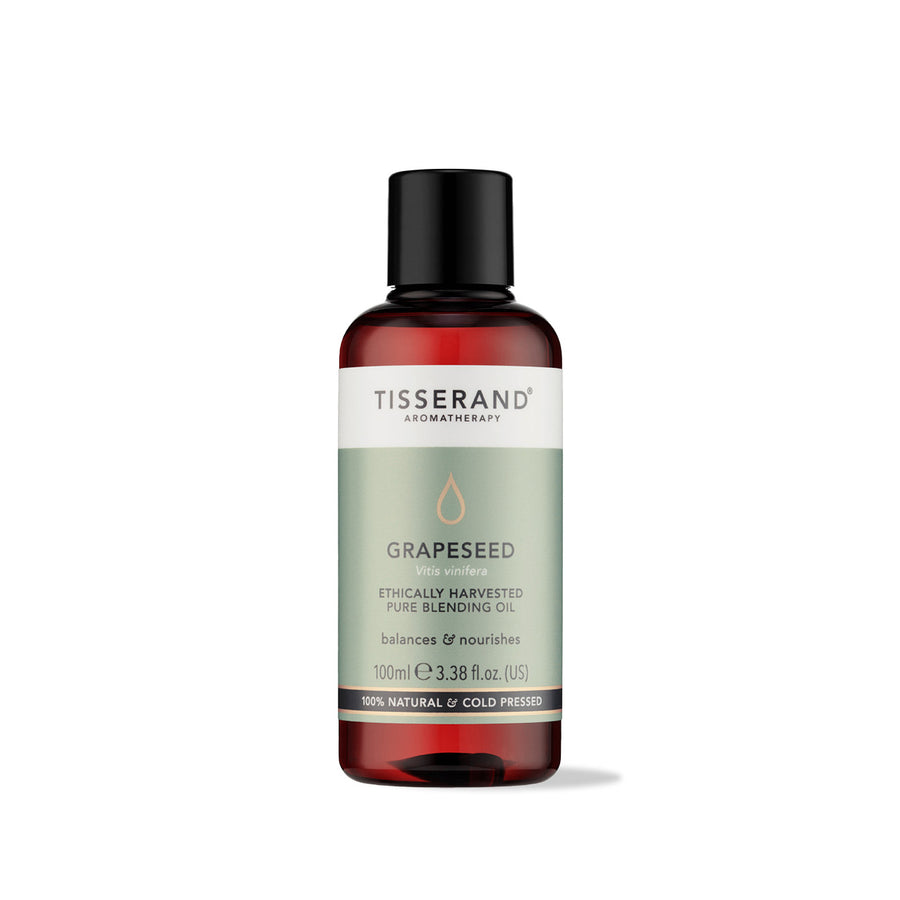
To create a safe 1% blend, add 1 drop of essential oil (in total) to 5ml of blending oil. This gentle strength is widely recommended by professionals for use during pregnancy and breastfeeding.
Essential Oils Considered Safe to Use
These essential oils are commonly regarded as safe from the second trimester onwards when used at a 1% dilution or in a room diffuser.
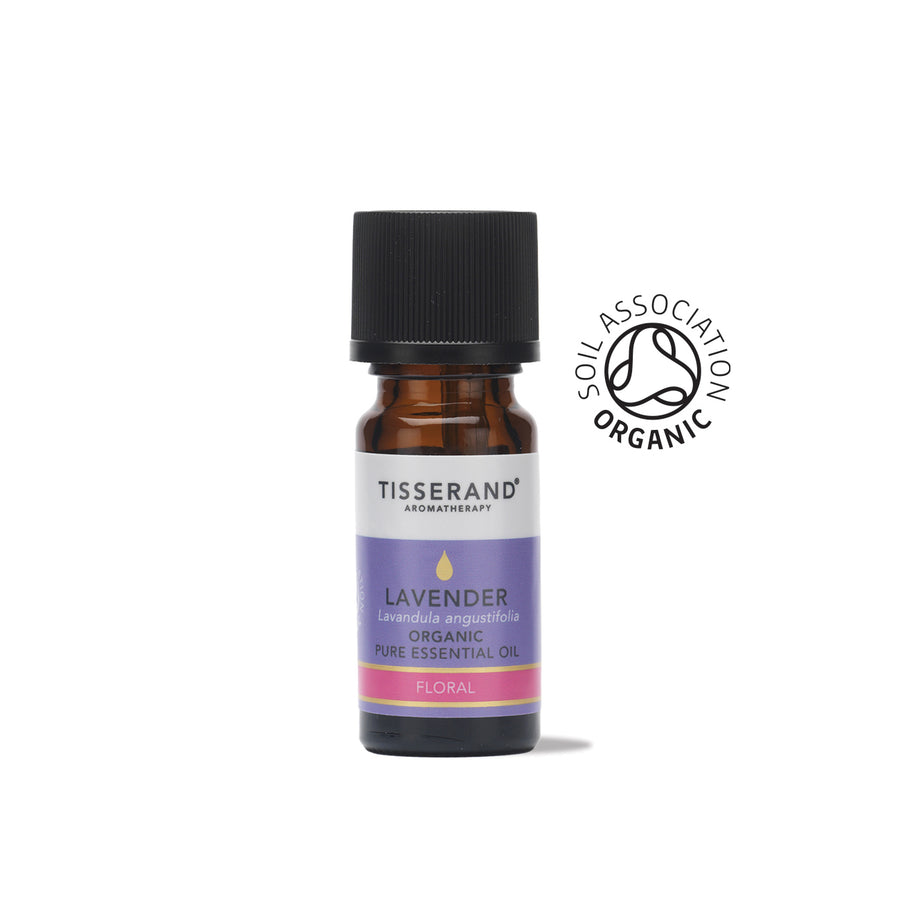
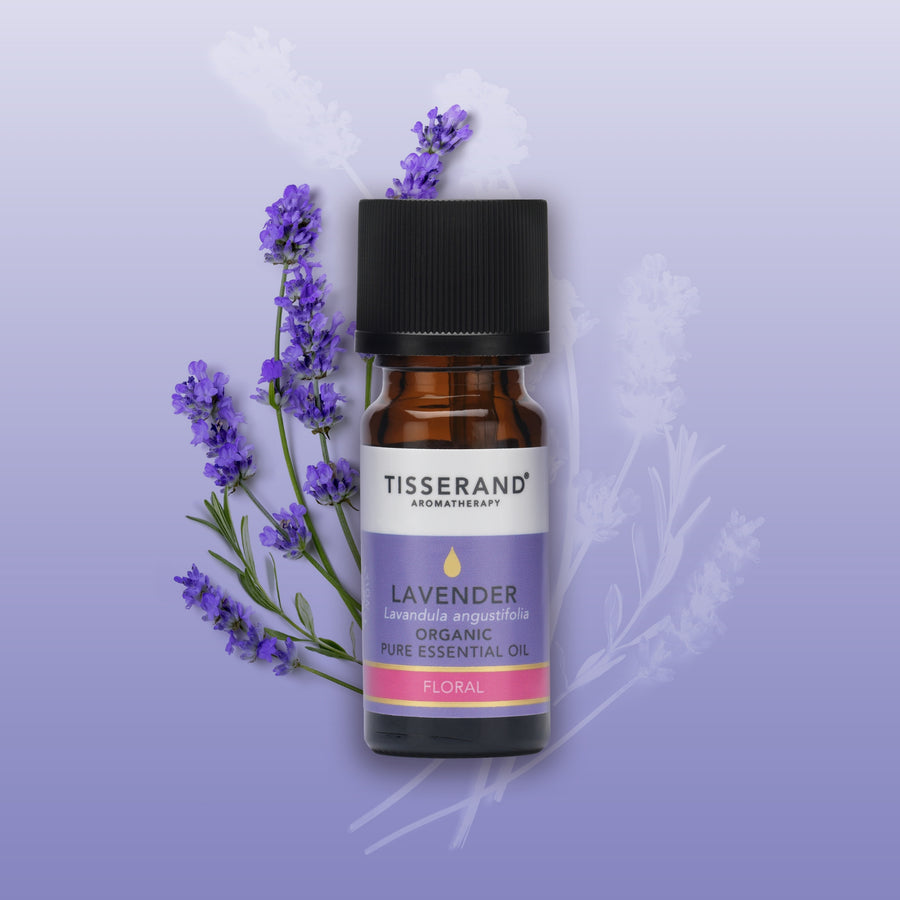
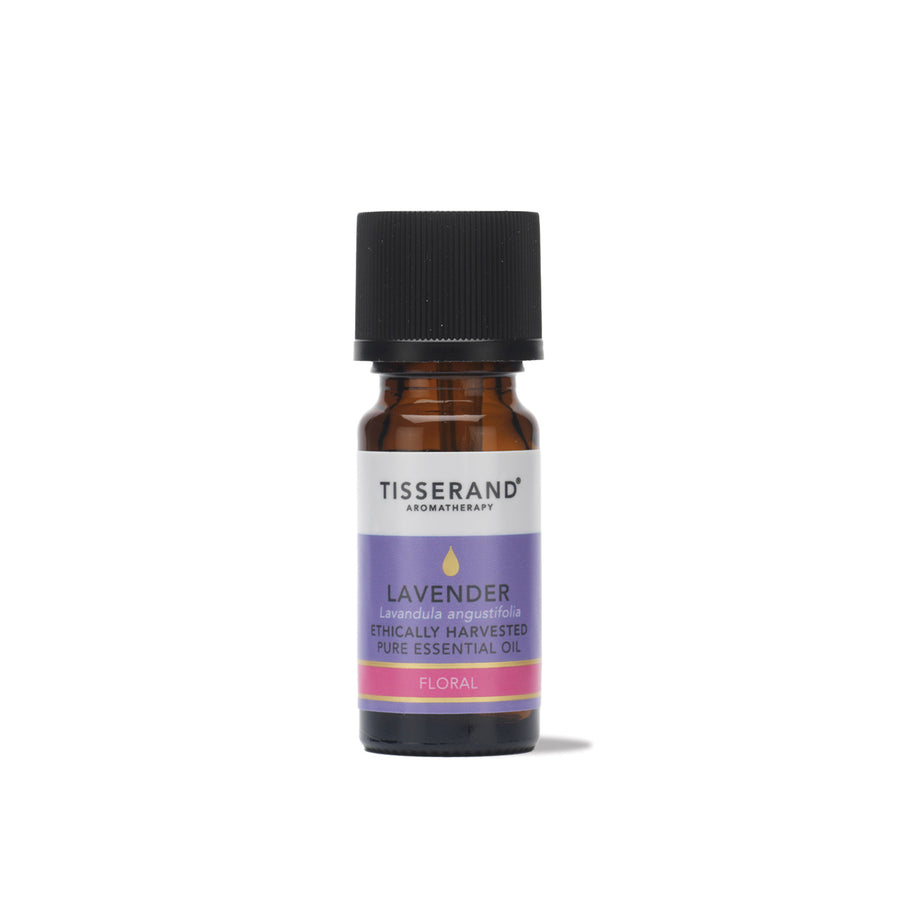
- Lavender (Lavandula angustifolia) - Calms anxiety, supports relaxation, and promotes restful sleep. Use it in a 1% massage blend or in your diffuser.
- Chamomile Roman (Anthemis nobilis) – When used in a diffuser, Chamomile Roman soothes feelings of overwhelm and encourages restful sleep. It also calms irritated or inflamed skin when used in a 1% topical blend.
- Mandarin (Citrus reticulata) - Gently uplifting and beautifully balancing for the emotions. Ideal for diffusion.
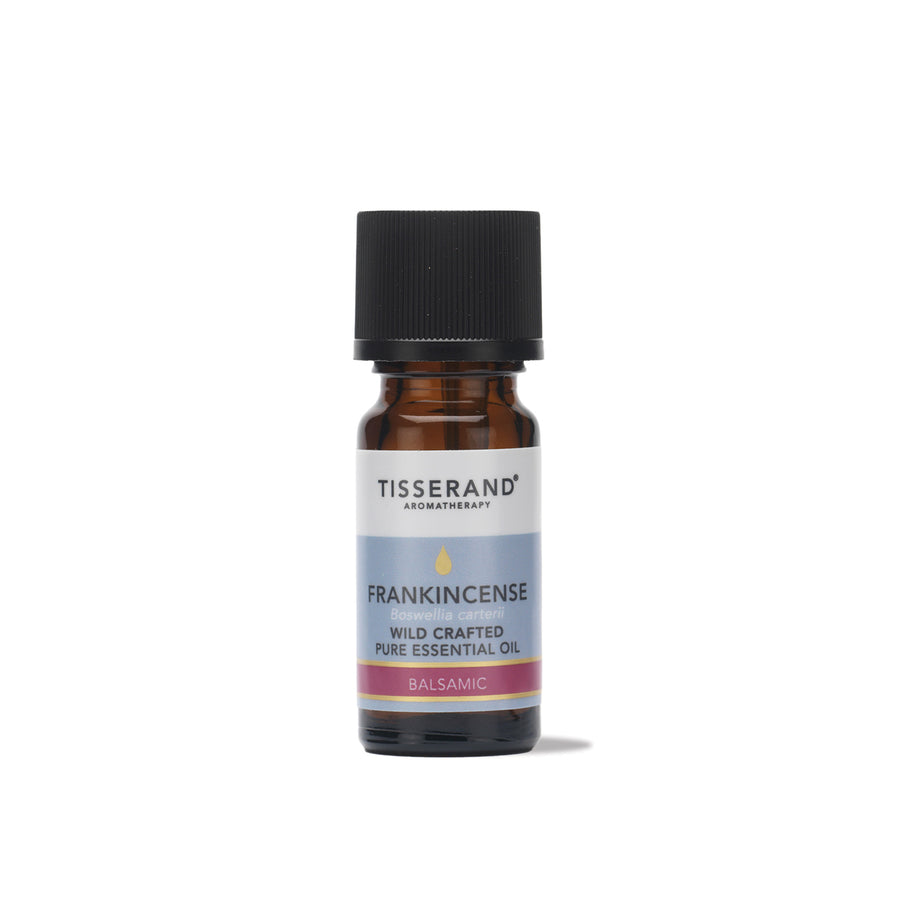
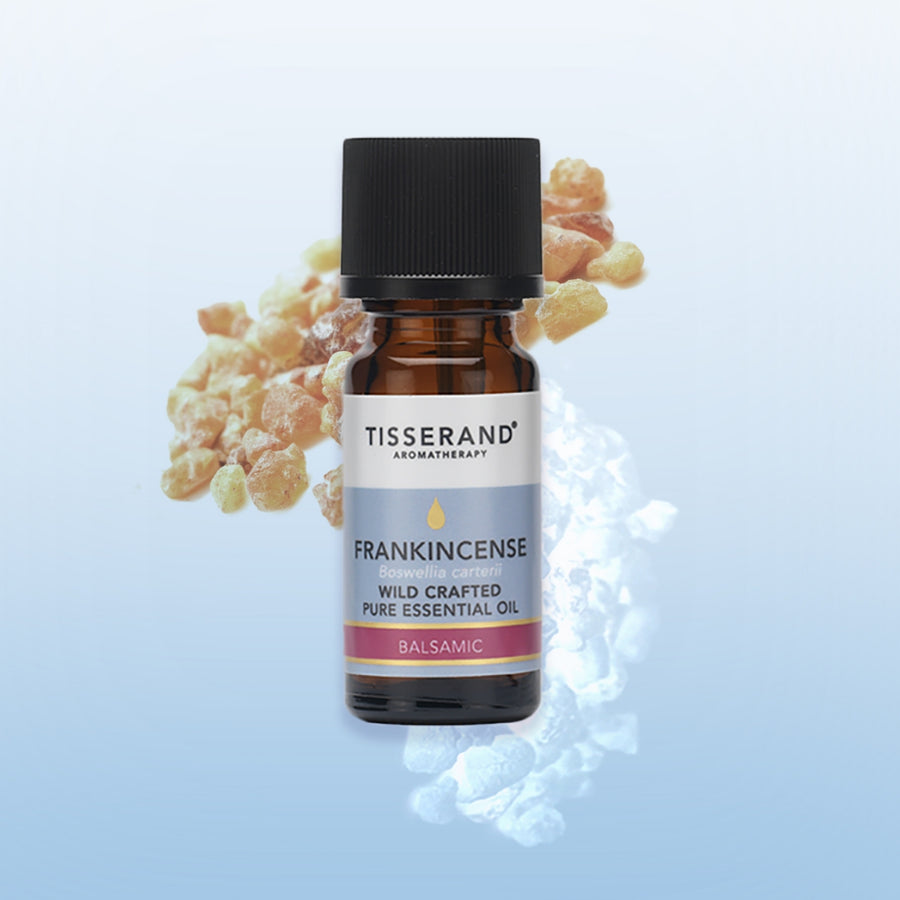
- Frankincense (Boswellia carterii) - Deepens the breath and eases feelings of anxiety. Use in a 1% massage blend or in a diffuser.
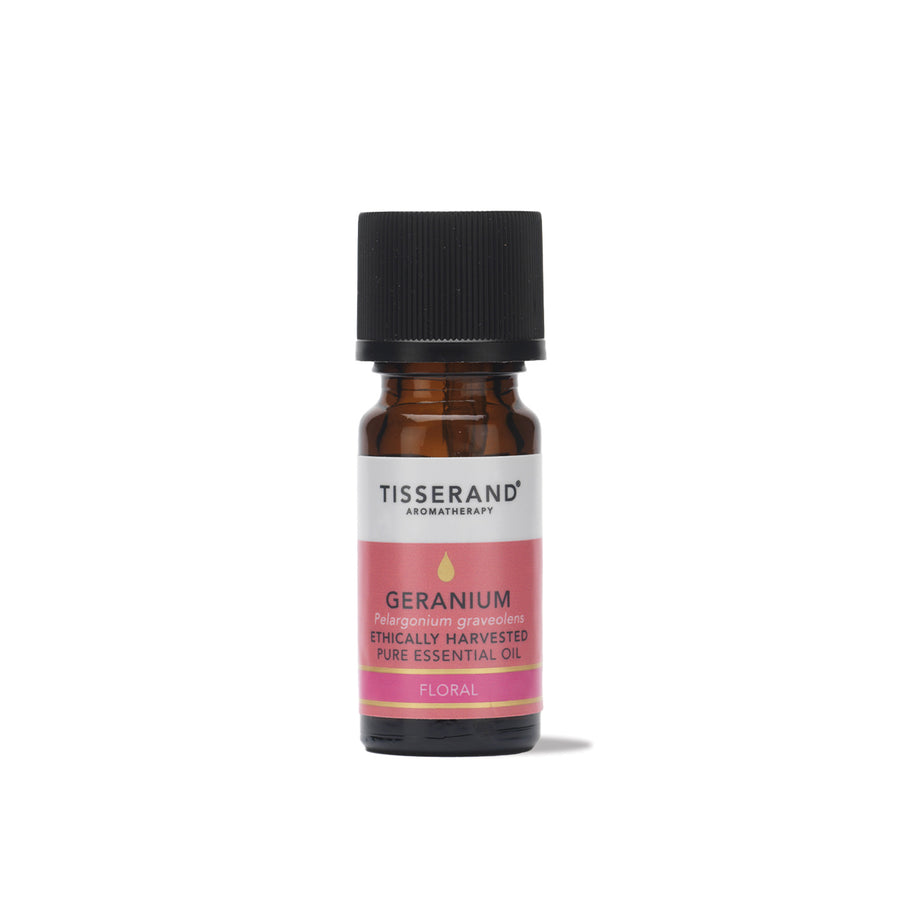
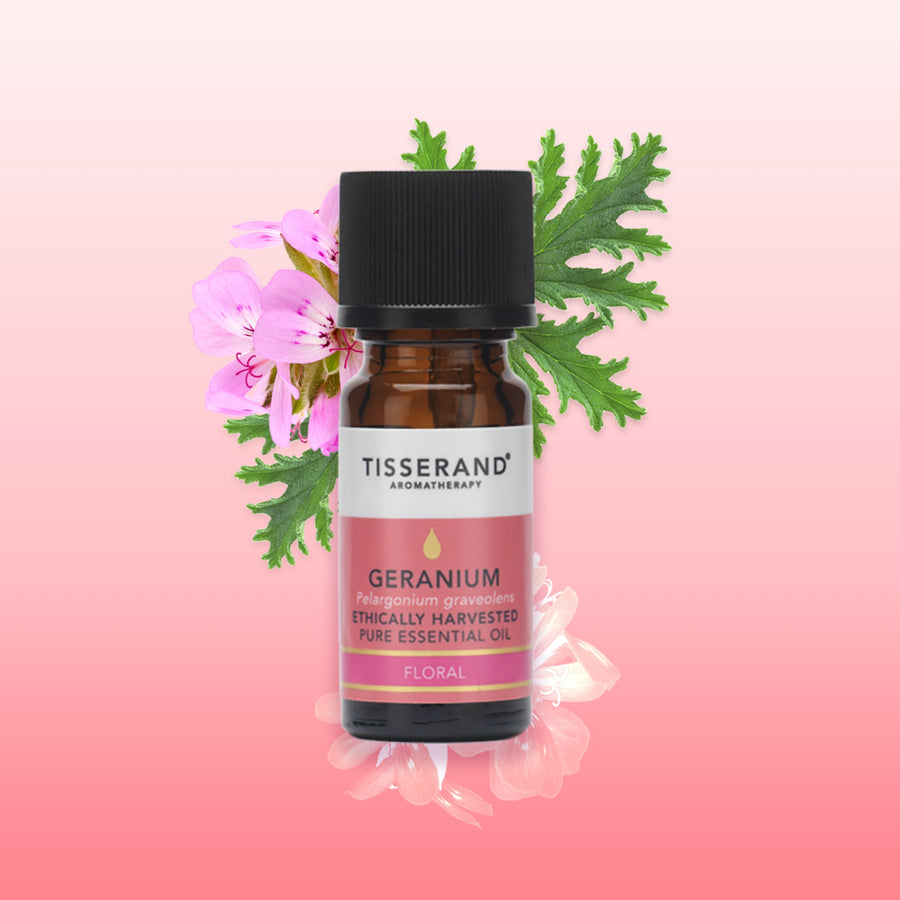
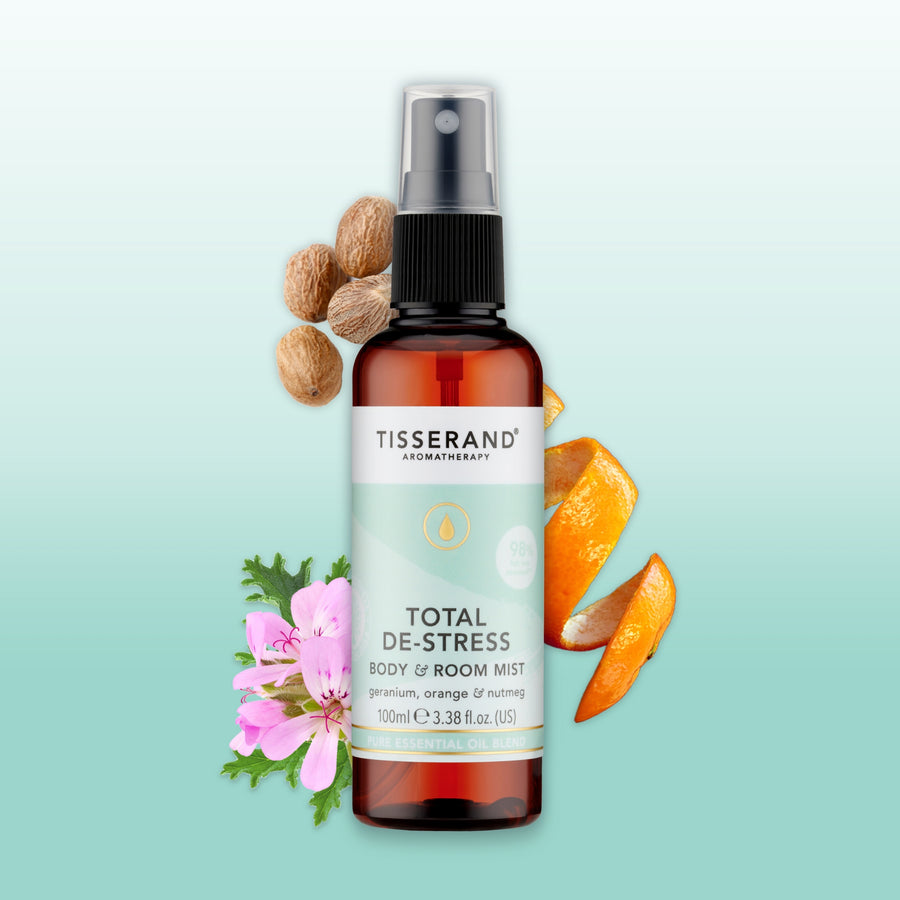
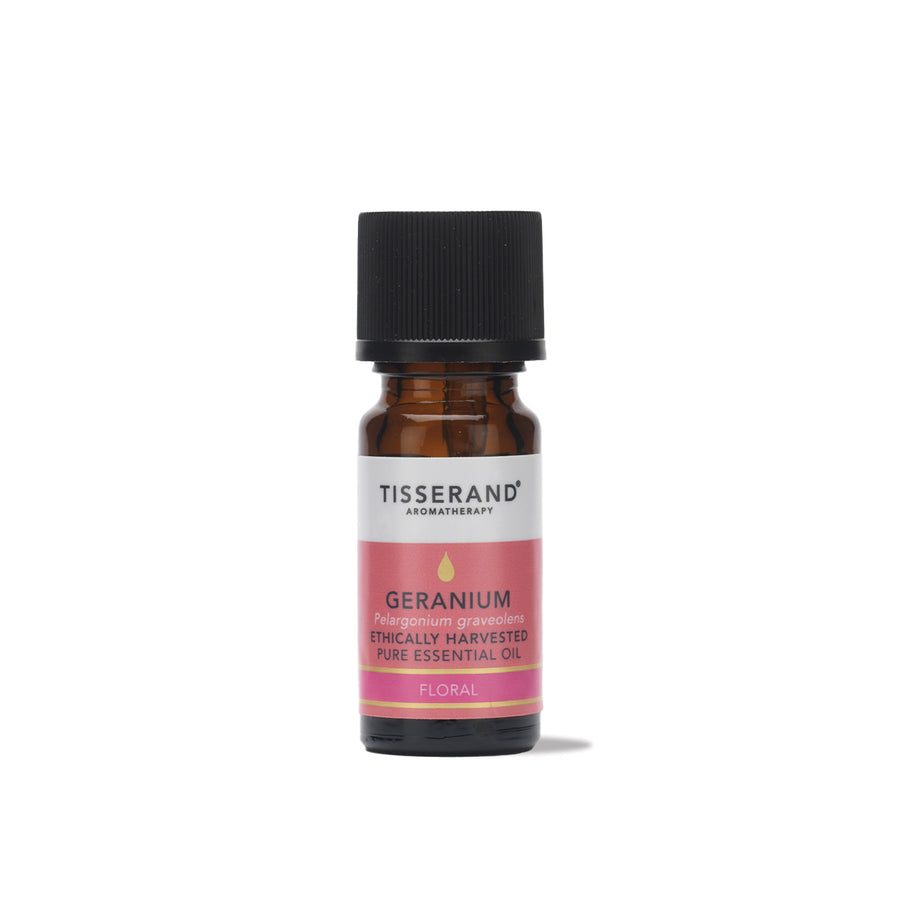
- Geranium (Pelargonium graveolens) - Supports emotional balance and helps you move through hormonal shifts. Use in a 1% massage blend or in a diffuser.
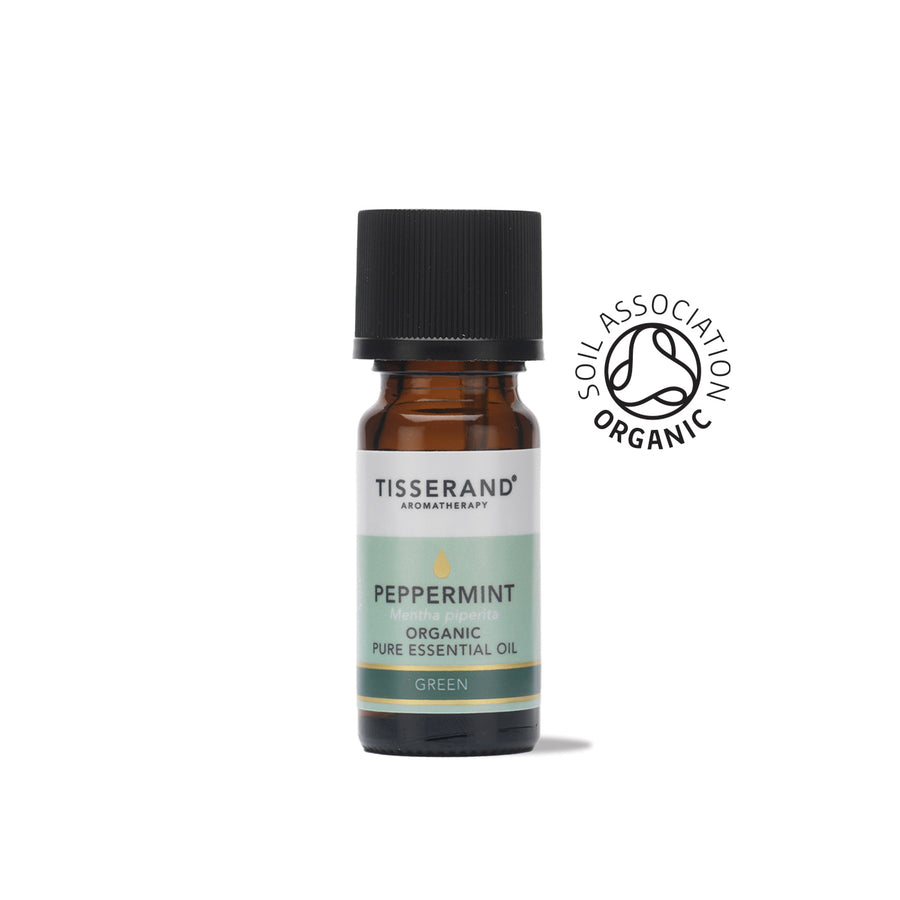
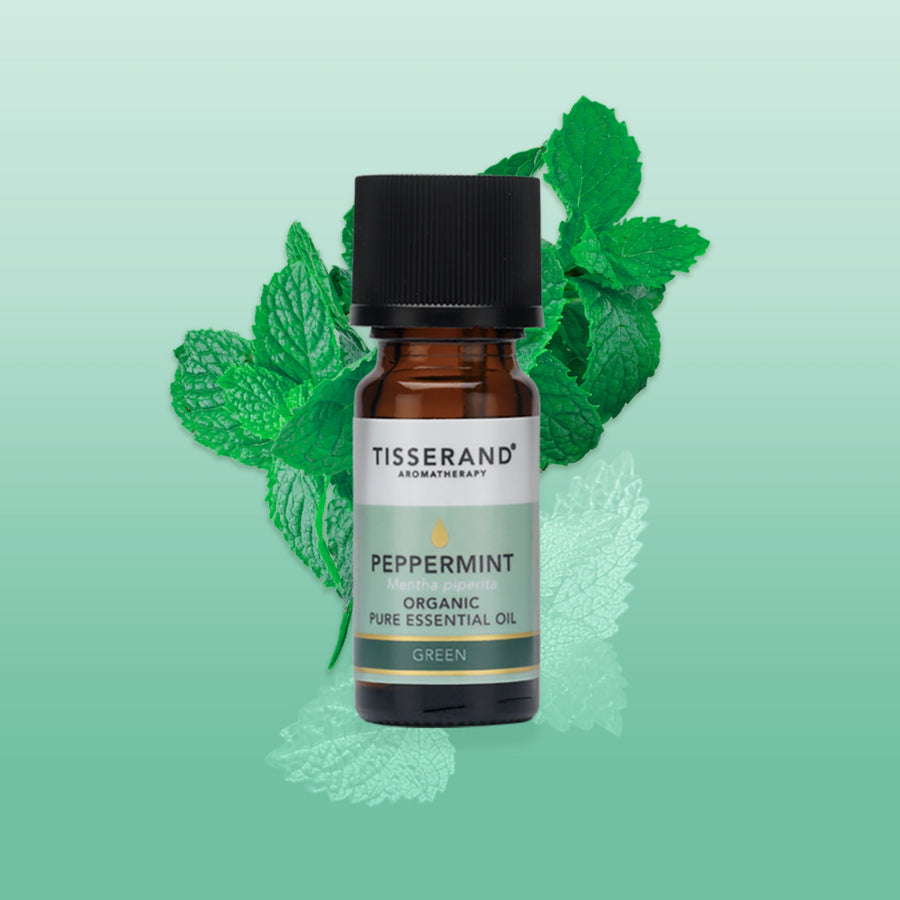
- Peppermint (Mentha piperita) - FOR INHALATION ONLY. Place 1 drop on a tissue and inhale gently to help reduce feelings of morning sickness and nausea. Do not allow the tissue to touch your face or skin.
Postpartum Care & Breastfeeding Advice
These essential oils can also be wonderfully supportive postpartum. However, avoid Peppermint oil during this time.
Continue using a mild 1% dilution until you and your baby have had your 6–8 week GP checkup. If you are breastfeeding, it is advisable to maintain a 1% dilution until your baby is fully weaned. Never apply essential oils to the breast area. If you are ever unsure, consult your midwife, GP, or health visitor.
Essential Oils to Avoid During Pregnancy
Essential oils are potent, and during pregnancy the margin for safety is far narrower. These particular oils may stimulate uterine activity, raise blood pressure, act too strongly on the body, or simply lack reliable research to confirm prenatal safety. Treat this list as a starting point rather than a complete catalogue, as it is not exhaustive:
- Clary Sage (Salvia sclera)
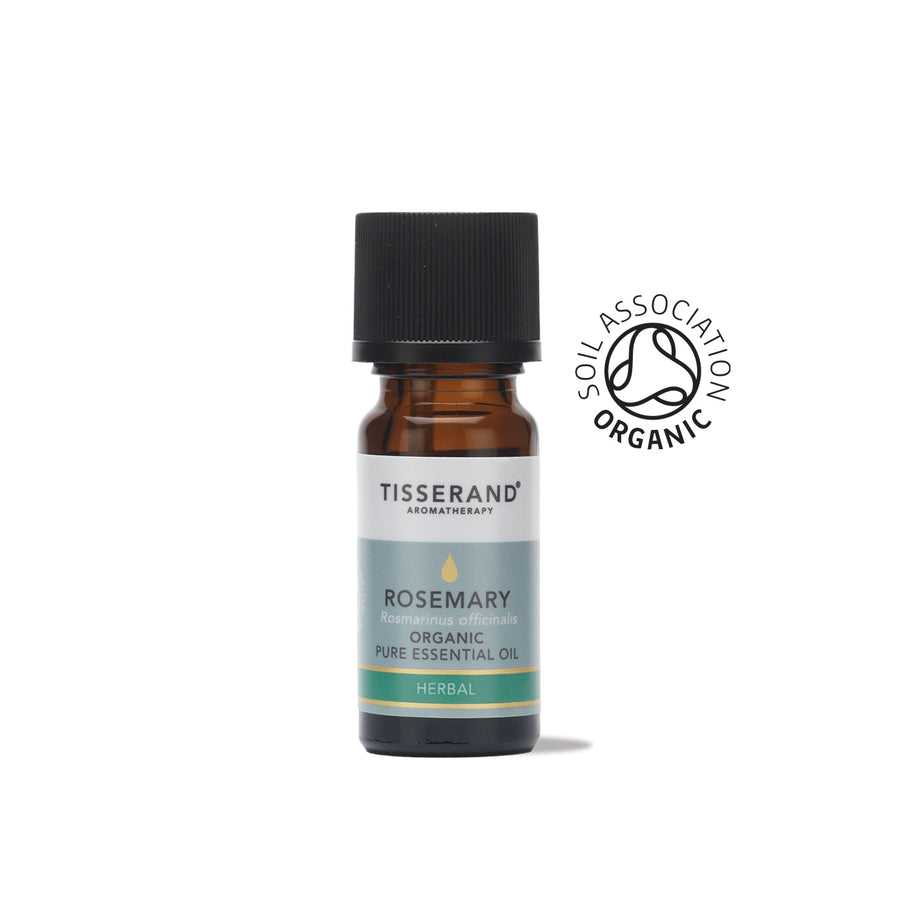
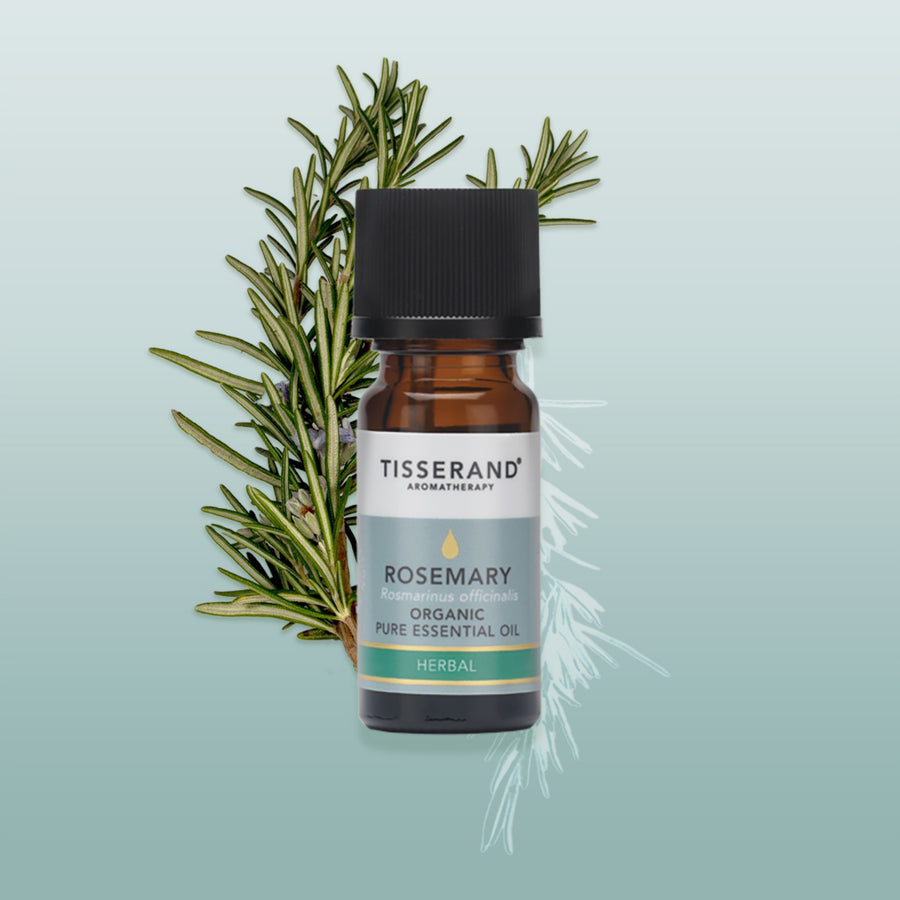
- Rosemary (Rosmarinus officinalis)
- Spanish Marjoram (Thymus mastichina)
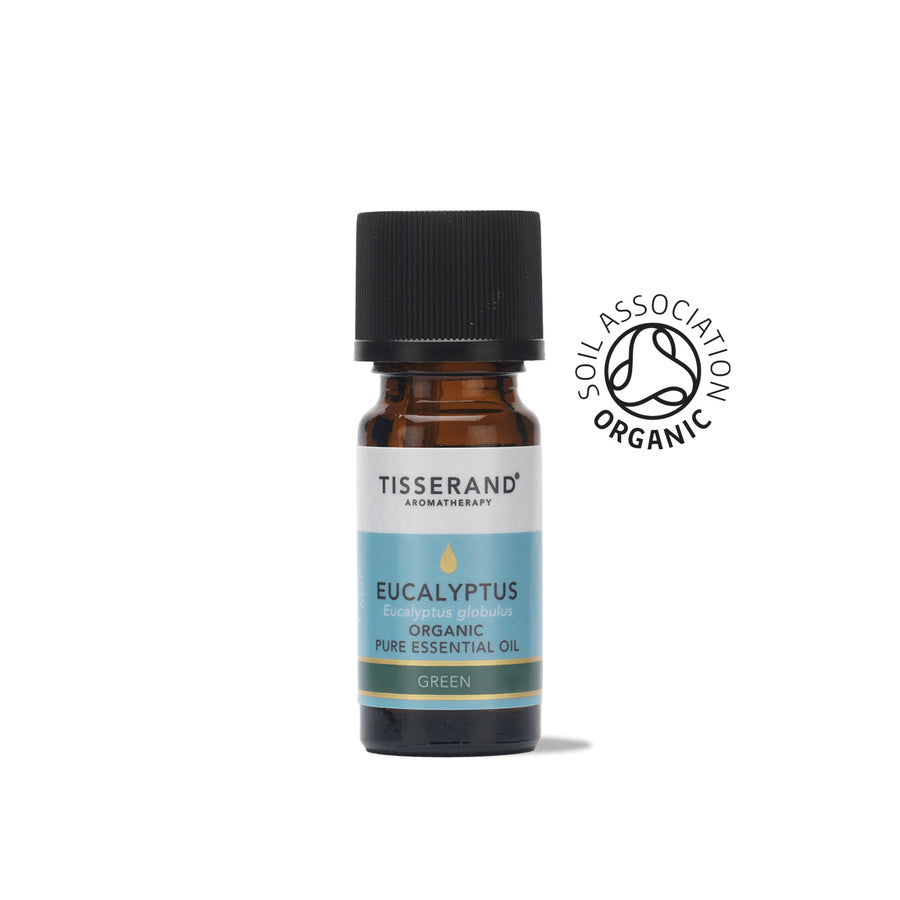
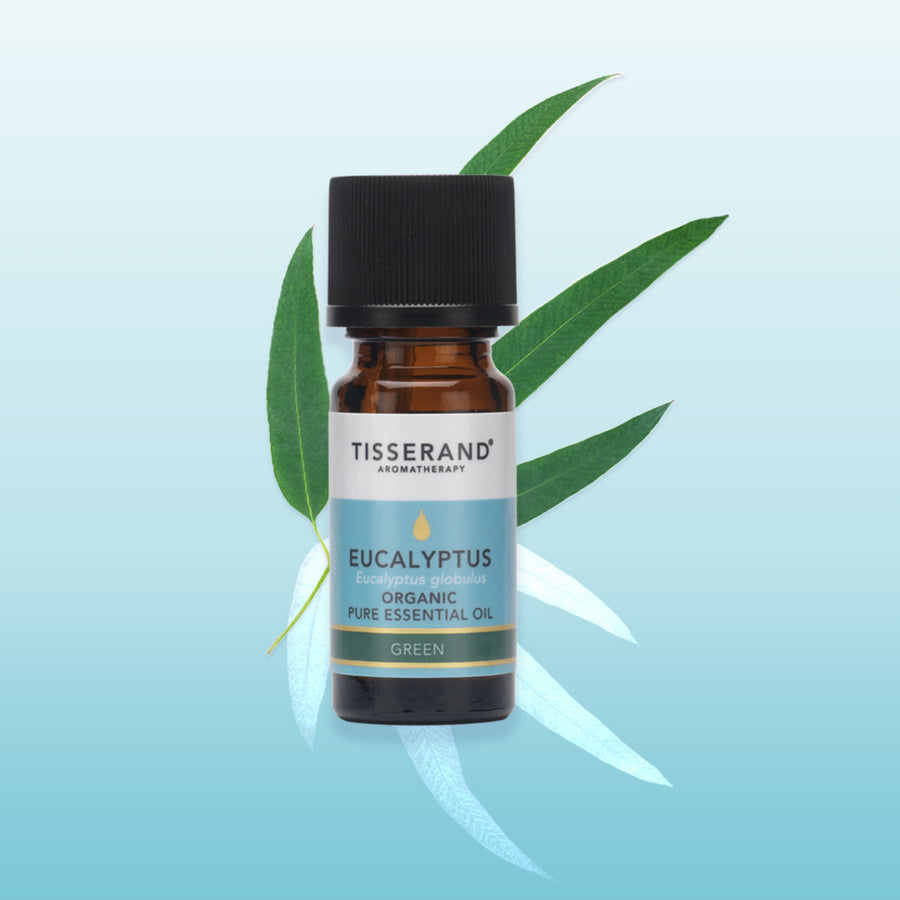
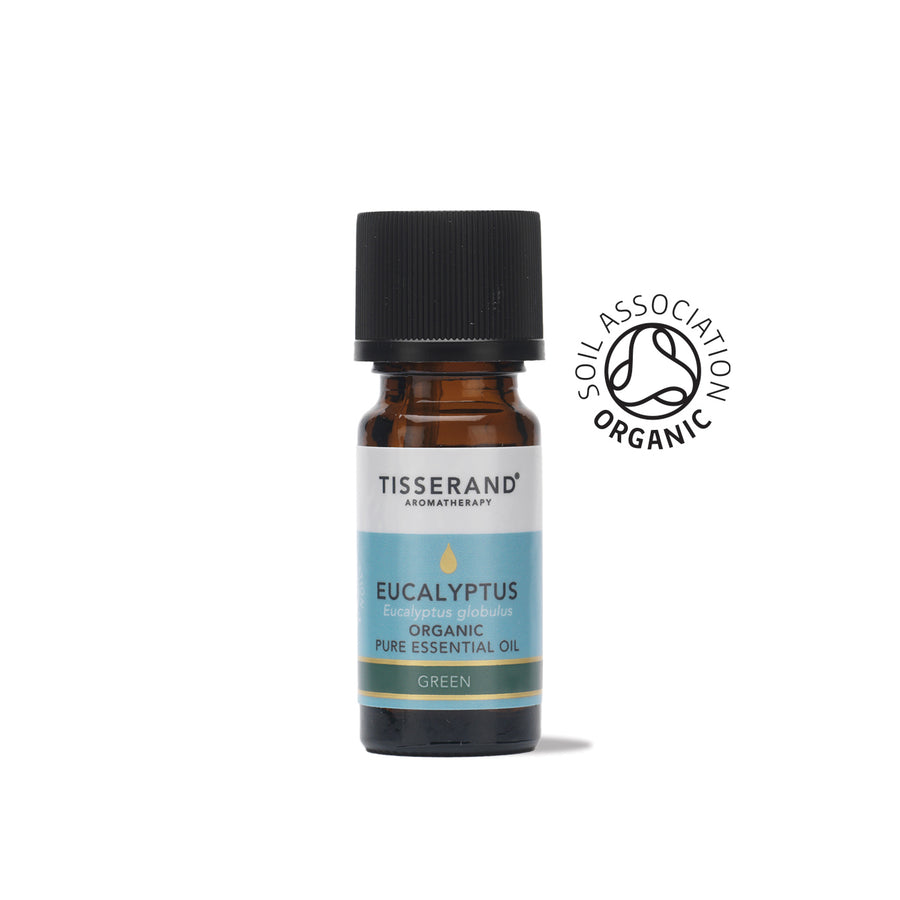
- Eucalyptus (Eucalyptus globulus)
- Siberian Fir (Abies sibirica)
- Lemongrass (Cymbopogon citratus)
- Citronella (Cymbopogon winterianus)
Seeking Professional Support
Please explore our other pregnancy wellness blogs for more tips on staying comfortable during your pregnancy journey.
You may also wish to consider treating yourself to a professional prenatal aromatherapy massage. To ensure you are in safe hands, I highly recommend using the “Find a Therapist” search tool on the IFPA (International Federation of Professional Aromatherapists) website. This directory allows you to easily check whether a practitioner is fully qualified and if they have completed additional CPD training in specialised areas like pregnancy care.
A Gentle Reminder
As you move through pregnancy and into early motherhood, essential oils can offer gentle, nurturing support when used with care. By choosing oils that are appropriate for this stage, following safe dilution guidelines, and seeking professional advice when needed, you can enjoy their benefits as part of a balanced wellbeing routine.
Every pregnancy is unique. If you have any concerns around you or your baby’s health during pregnancy, you should always consult your midwife. The use of essential oils is complementary to your wellbeing during your pregnancy and should never take the place of orthodox medical care.