










Bug-Busting with Essential Oils: A Beginner’s Guide
Discover pure, plant-powered ways to naturally outsmart summer insects and keep bugs at bay.

Top Oils for Bug-Busting and Why


Citronella (Cymbopogon winterianus)
The Scent Experience
It has a sweet, bright lemon aroma featuring distinct grassy and woody notes, which become noticeably sweeter as it evaporates.
The Plant Chemistry
Rich in citronellal, geraniol, and citronellol, Citronella creates an aromatic cloud that completely masks your natural human markers (like sweat and breath). By overwhelming a mosquito’s delicate receptors, these naturally occurring compounds safely interfere with a pest's tracking mechanisms, a gentle disruption backed by a landmark review in the Journal of the American Mosquito Control Association.
Why Choose This Oil
Choose Citronella when you need targeted, long-lasting mosquito protection. It is your ideal companion for evening garden gatherings or outdoor dining when you want to keep your skin undisturbed.


Lemongrass (Cymbopogon citratus)
The Scent Experience
This oil treats you to an incredibly uplifting, sharp, and crisp lemon aroma that instantly refreshes your space.
The Plant Chemistry
While sharing similar masking properties to Citronella, Lemongrass stands out due to its remarkably high citral content. This specific compound creates a bright, crisp environment that flying pests find entirely disorientating.
Why Choose This Oil
Reach for Lemongrass if you prefer a bright, vibrant fragrance that doubles as a beautiful home scent. It is your best choice if you are looking to clear your kitchen or living areas of annoying flies and fruit flies.

Patchouli (Pogostemon cablin)
The Scent Experience
If you prefer deeper fragrances, you will love Patchouli's rich, earthy character, which features sweet, woody notes that gently warm into a smoky comfort.
The Plant Chemistry
Patchouli protects you in a completely different way. Instead of masking your scent, its key components, patchoulol and α-bulnesene, create an intricate aroma profile that biting bugs and mosquitoes instinctively dislike and avoid.
Why Choose This Oil
This is your perfect match if you want a solution that lasts. Because patchoulol is a heavy, slow-evaporating molecule, it lingers in the air far longer than citrusy oils, making it excellent for continuous, low-maintenance protection.

Peppermint (Mentha piperita)
The Scent Experience
An intensely crisp, clean, and fresh minty aroma with sweet top notes, bringing an immediate cooling sensation to your senses.
The Plant Chemistry
With high concentrations of menthol and menthone, Peppermint oil overstimulates pests' sensitive chemical receptors. Because spiders "taste" and smell through sensory hairs on their legs, they instinctively avoid these sharp, volatile molecules. In fact, a study in the Journal of Economic Entomology confirmed that pure mint oil
strongly repels multiple spider species, proving common internet folklore true.
Why Choose This Oil
This is your ultimate secret weapon if you are looking to keep your home entirely spider-free. It is your perfect match for spraying around window frames, doorways, and dark corners where spiders love to hide, while simultaneously clearing the air of flying insects and bringing a refreshing lift to a warm day.

Bonus Tip
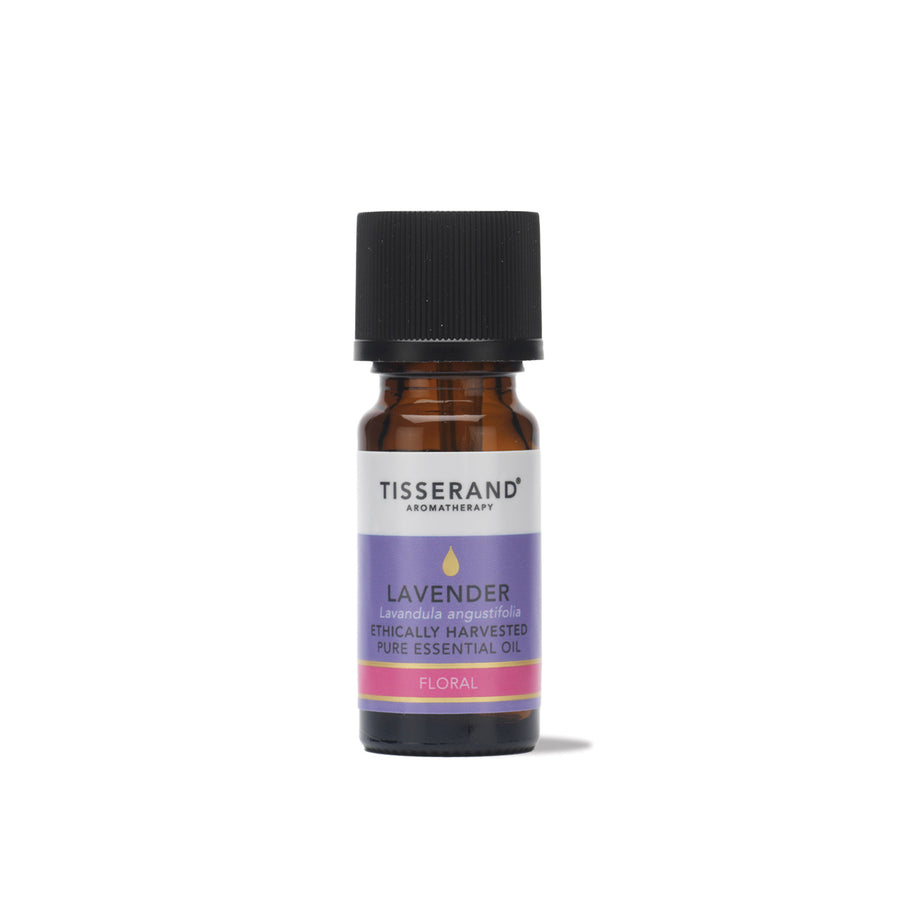
Rich in linalool and linalyl acetate, Lavender (Lavandula angustifolia) essential oil provides an immediate calming effect to help ease local irritation, support the skin's natural repair response, and interrupt the itch-scratch cycle.
Bug-Bite Soother
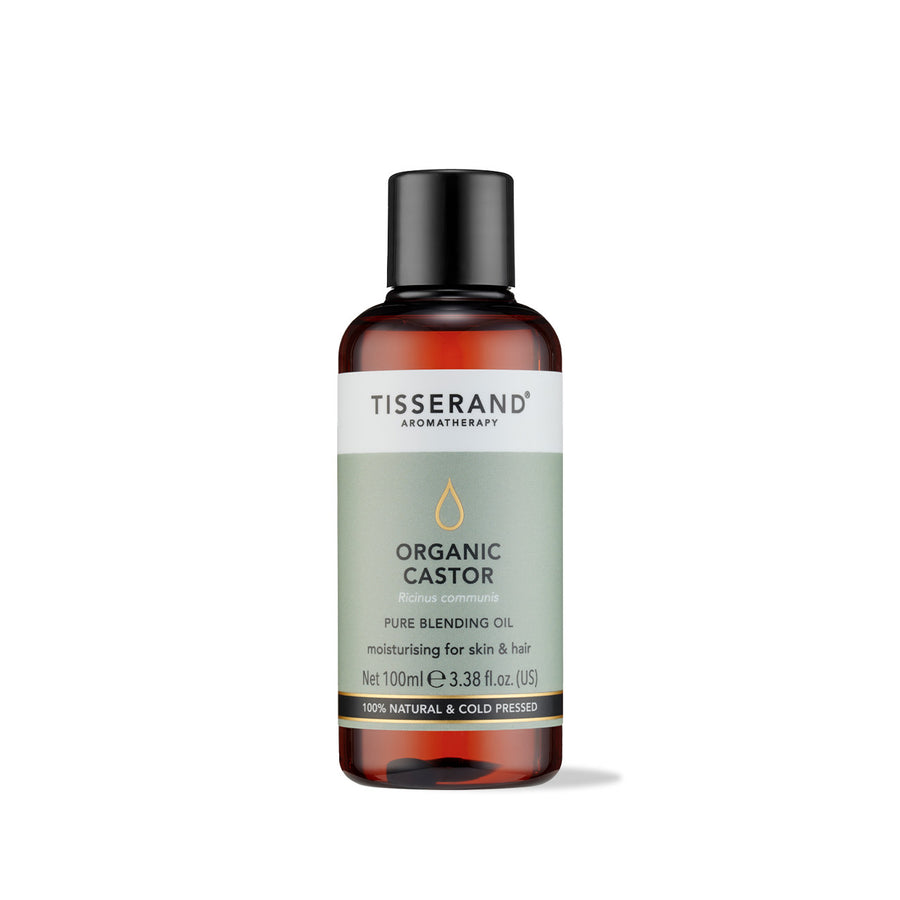
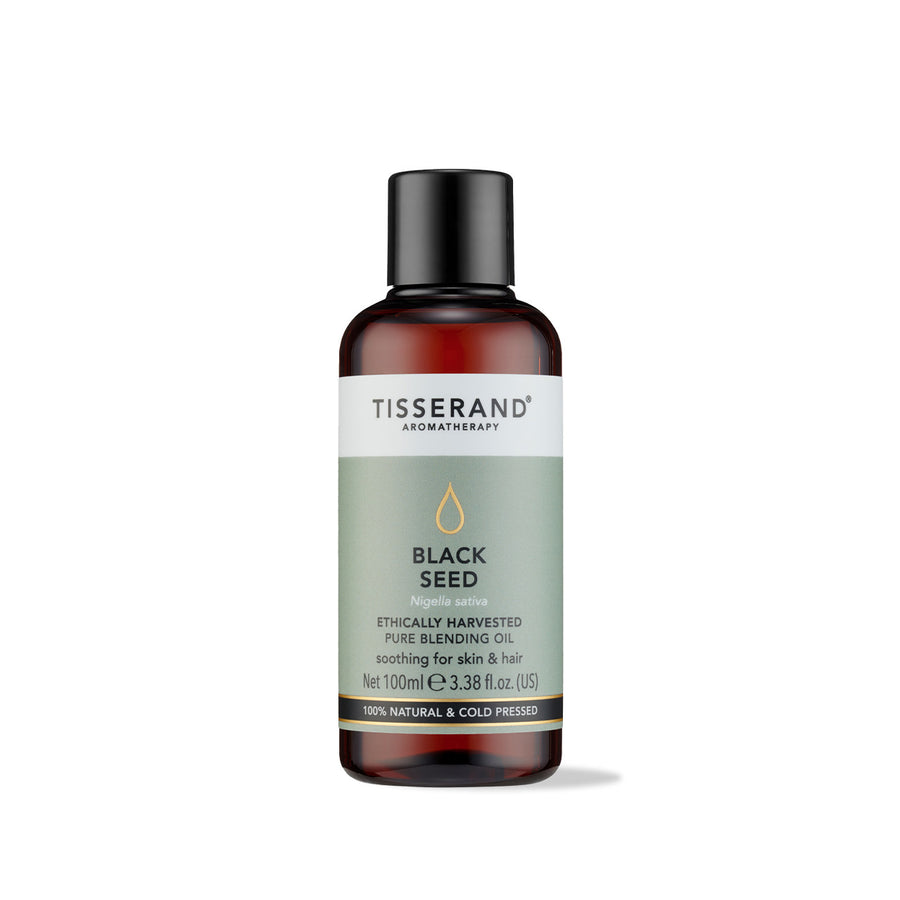
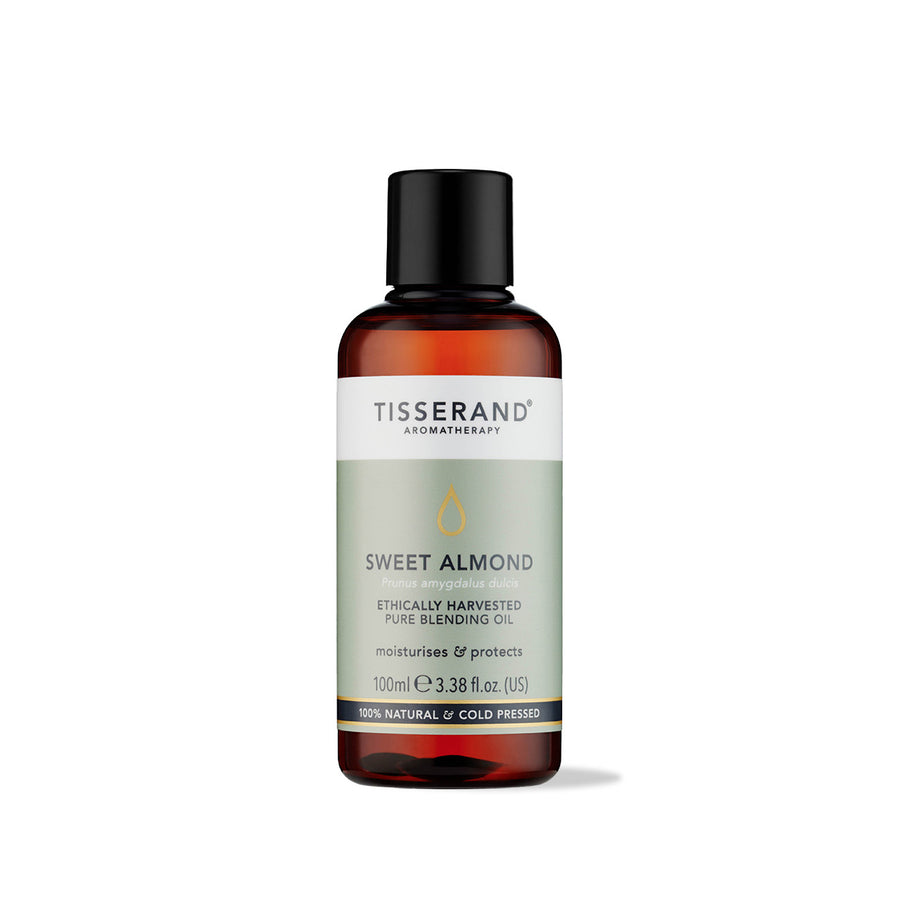
Add 5 drops of Lavender essential oil to 10ml of blending oil, or 2 drops of Lavender per 10ml of blending oil for use on the face. Apply a small amount directly to the bite for a soothing effect.
ESSENTIAL OIL FAQS
Ask Our Aromatherapist
Modern research confirms that traditional remedies like Citronella and Lemongrass work by utilising three key aromatic compounds (citronellal, geraniol, and citronellol) that actively interfere with how bugs locate humans.
A diffuser is a great way to utilise essential oils to deter flying insects. Add up to 8 drops of Lemongrass or Citronella to your diffuser and place it near an open window to stop them flying into your house – or explore some of our other bug-busting methods above.
For a body application, you can easily blend a personal spray at home. To an empty, clean spray bottle, combine the following ingredients:
• 20ml witch hazel
• 5ml blending oil
• 10 drops Citronella essential oil or Lemongrass essential oil
How to use: Shake well and spray onto exposed areas of skin. Please note, due to the potency of these oils, this blend is not suitable for the face.
Insects navigate using sensitive chemical receptors on their antennae. Strong botanical aromas, particularly Citronella and Lemongrass, confuse these receptors, mask the human scents that attract them, and trigger a natural avoidance reaction that keeps them at bay.
Citronella and Lemongrass essential oils have been found to be the most effective in deterring flying insects, with Citronella being the more effective option against mosquitoes. Citronella has a stronger "masking" power that covers human scent signals (like sweat), and its aroma often lasts longer in the air.
There is some evidence to suggest that Lavender may deter some flying insects, but it’s not as effective as Citronella or Lemongrass. Lavender is better utilised if you unfortunately receive a bite. Its naturally occurring compounds, especially linalool and linalyl acetate, have a calming, skin-soothing effect that eases irritation and supports your skin’s natural repair response.
Some essential oils, like Lemongrass, can act as a supplementary deterrent against fleas. However, please exercise caution around pets. Animals are highly sensitive to essential oils, so always keep cats and dogs out of treated areas until sprays have completely dried and never apply oils directly to their fur or skin.
Pure essential oils are excellent for Integrated Pest Management (IPM), allowing you to naturally deter common garden pests like fungus gnats, aphids, ants, and spiders without leaving toxic chemical residues. To discover how to protect your plants safely, read our full blog article on gardening with essential oils.
Our essential oil expert, Jo Kellett TIDHA MIFPA CIMI, graduated from the Tisserand Institute of Holistic Aromatherapy in 1996. She returned to the college in 1999 as an Essential Oil Therapeutics Tutor, where she taught until the college closed. Jo runs a successful private Aromatherapy practice in Brighton, specialising in Women’s health. Jo is also an internationally published author and has lectured on the subject of Aromatherapy both in the UK and abroad.
For more information on Jo Kellett, check out her website or Instagram