












Essential Oil Glossary
New to essential oils? Start here for clear, easy-to-understand definitions.

A Beginner's Guide to Aromatherapy Language
Explore the key terms and concepts of aromatherapy to help you feel confident using essential oils. From the scents you smell to the ways you can use them safely, this glossary explains everything you need to know in simple, easy-to-understand language.
Aromatherapy
Aromatherapy is a holistic wellbeing practice that uses the natural aromas and properties of essential oils to support physical, emotional, and mental wellbeing.
Essential Oil
A fragrant, highly concentrated and volatile liquid extracted from a single plant source, such as flowers, leaves, bark, or peel.
Blend
A blend is a combination of essential oils, often 3–5 oils, diluted into a base such as a blending oil, lotion, or cream for safe use.
Blending Oil
A blending oil (also known as a carrier oil) is a cold-pressed or expressed vegetable, nut, or seed oil used to dilute essential oils for topical application.
Olfaction
The sense or action of smelling. In aromatherapy, olfaction is important because aromas interact with the brain’s emotional and memory centres.
Diffuser
An essential oil diffuser is a device that disperses essential oils into the air so you can enjoy their aroma and therapeutic benefits. Essential oils are typically added neat (undiluted) to water in a diffuser, following the manufacturer’s instructions.
Top Note
Top notes are the initial impression of an essential oil blend. They are the first aromas to reach your nose and will disperse the quickest. An example of a top note is a citrus essential oil, such as Lemon or Orange.
Middle Note
Middle notes are the scents that develop once the lighter top notes begin to fade. Often described as the 'heart' of a blend, they connect the lighter top notes with the deeper base notes. Some examples of middle note essential oils are Lavender, Rosemary and Tea Tree.
Base Note
Base notes are the deep, long-lasting aromas that form the foundation of a blend. Woody and resinous oils are typically base notes such as Sandalwood, Vetiver and Myrrh.
Steam Distillation
Steam distillation is the most common method of extracting essential oils, using steam to gently release aromatic compounds from plant material.
Expression
The method used to extract essential oils from citrus fruit peels.
Absolute
An absolute is a highly concentrated aromatic extract produced using solvent extraction or enfleurage rather than steam distillation. This method is used for delicate plant materials whose aroma compounds are too fragile to withstand heat. Absolute extraction helps preserve the plant's true scent, which is often richer and more complex than what can be achieved through steam distillation. Absolutes are very potent, and only a small amount is needed in a blend. Examples of absolute oils are Rose Absolute and Jasmine Absolute.
Topical application
Topical application refers to applying essential oils or a blend of oils directly onto the skin, always diluted in a blending oil or other base product.
Botanical name
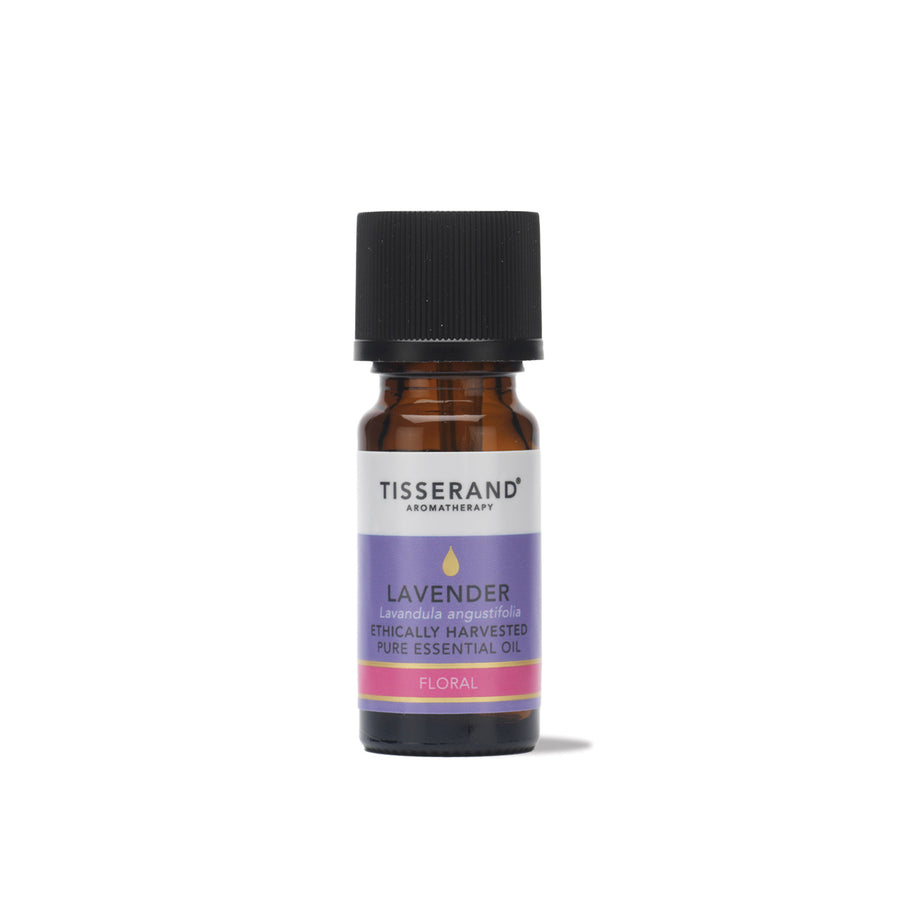
All plants have a Latin (botanical) name. For example, Lavender is Lavandula angustifolia. The first word, Lavandula, tells us what the genus is, the second word, angustifolia, tells us the species. Botanical names help ensure you are using the correct plant with the intended properties.
Phototoxic
Phototoxic refers to a reaction that can occur when certain essential oils are applied to the skin and then exposed to sunlight or UV rays. It's most commonly associated with expressed citrus oils.