





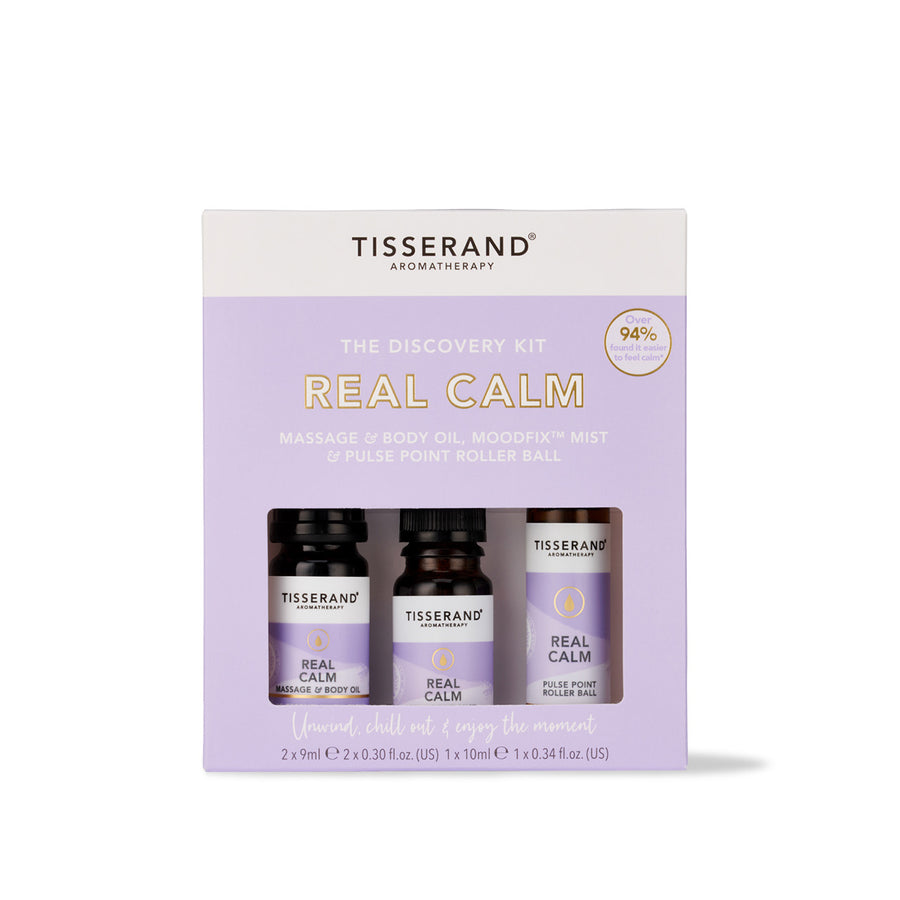






Lavender Essential Oil: A Beginner’s Guide
Discover deeper sleep, daily calm and whole body support throughout life’s cycles.


Key Benefits of Lavender Essential Oil
Lavender essential oil is one of the most versatile and widely loved oils in aromatherapy. Known for its gentle, calming aroma, lavender offers supportive benefits for both body and mind. Its soothing nature makes it a popular choice for relaxation, sleep routines, and everyday wellbeing.


Sleep & Relaxation
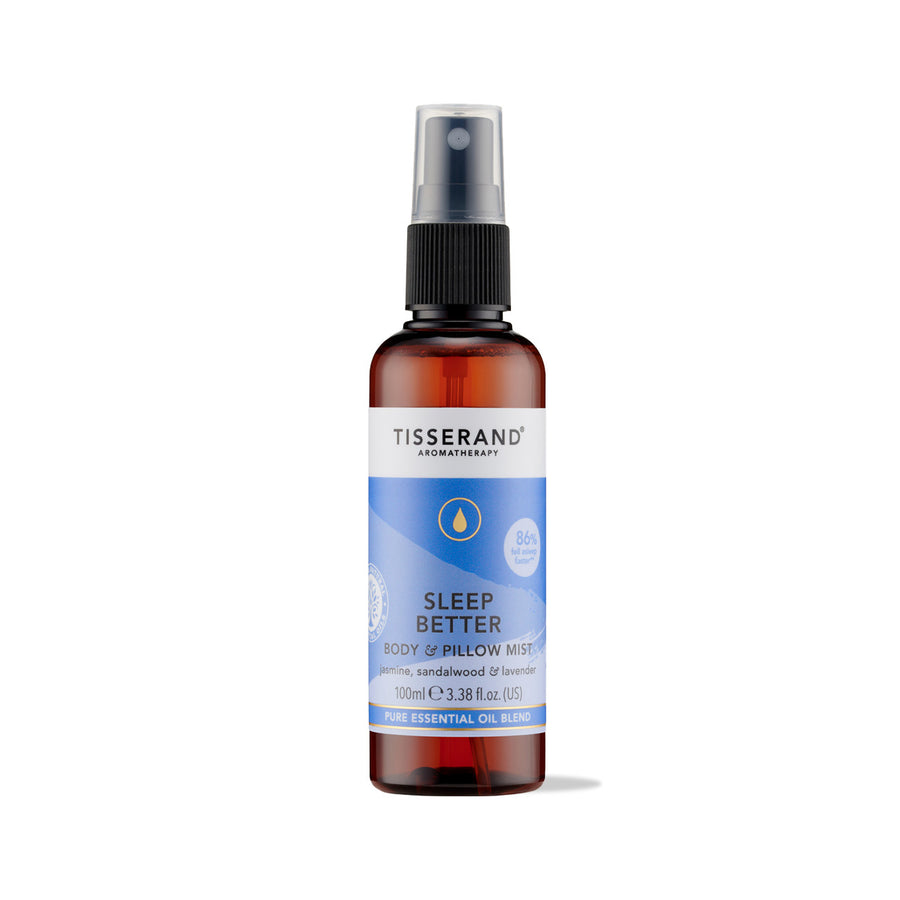
Lavender is naturally rich in key aromatic compounds, including linalool and linalyl acetate, which are associated with calming and relaxing effects. These compounds are believed to help encourage a more restful state by supporting the body’s natural relaxation response. Using lavender essential oil as part of your bedtime routine, such as in a diffuser, bath blend, or pillow spray, may help create a calming environment that supports deeper sleep.


Women’s Wellbeing
Lavender’s calming and balancing properties make it a popular choice for supporting emotional wellbeing during different life stages. It is often used to promote relaxation during times of tension, restlessness, or monthly discomfort. Lavender essential oil is also commonly included in blends designed to ease everyday discomforts such as tension headaches, general aches, and menstrual cramps.


Skin Care
Beyond relaxation, lavender essential oil is also valued for its skin-supportive properties. Its naturally occurring compounds contribute to lavender’s soothing, balancing, and gently cleansing qualities. When properly diluted in a blending oil or added to skincare formulations, lavender oil may help comfort dry, sensitive, or unsettled skin while promoting a healthy-looking complexion.
HOW TO USE
Our Favourite Ways to Use Lavender
Simple and effective ways to incorporate Lavender essential oil into your daily routine.

Diffuser Blend8Drops
Add 6-8 drops of Lavender to your diffuser to create a soothing and calming atmosphere that promotes relaxation and deep, restful sleep.

Bath Blend5Drops
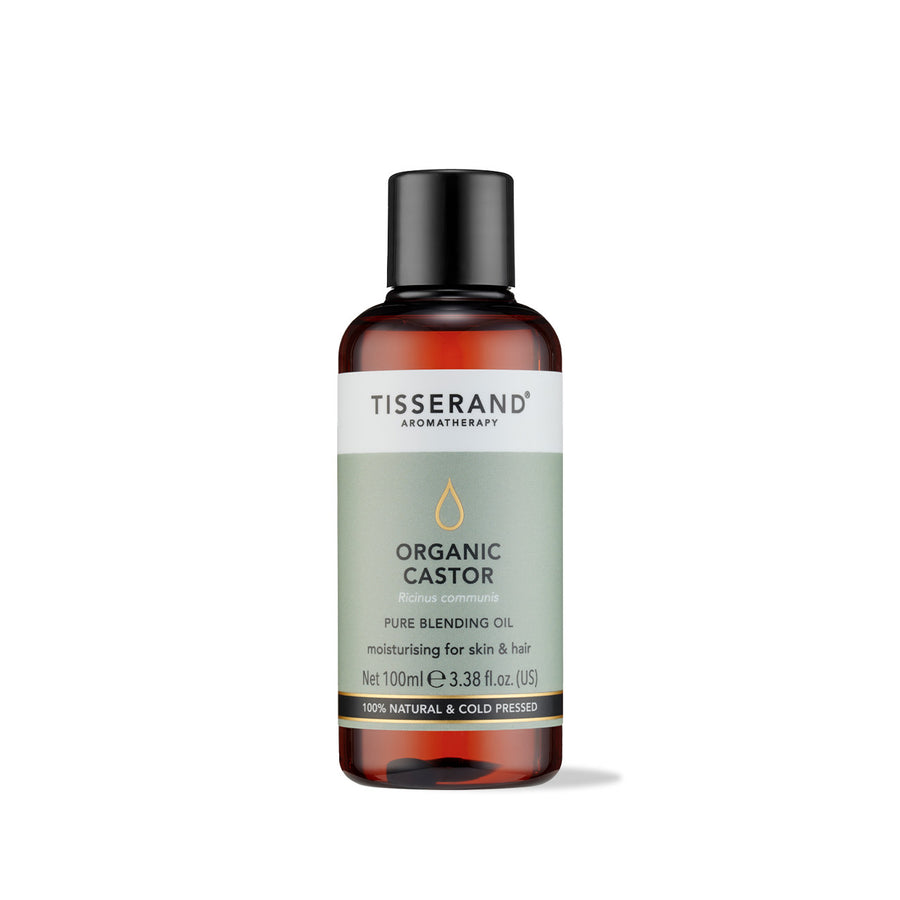
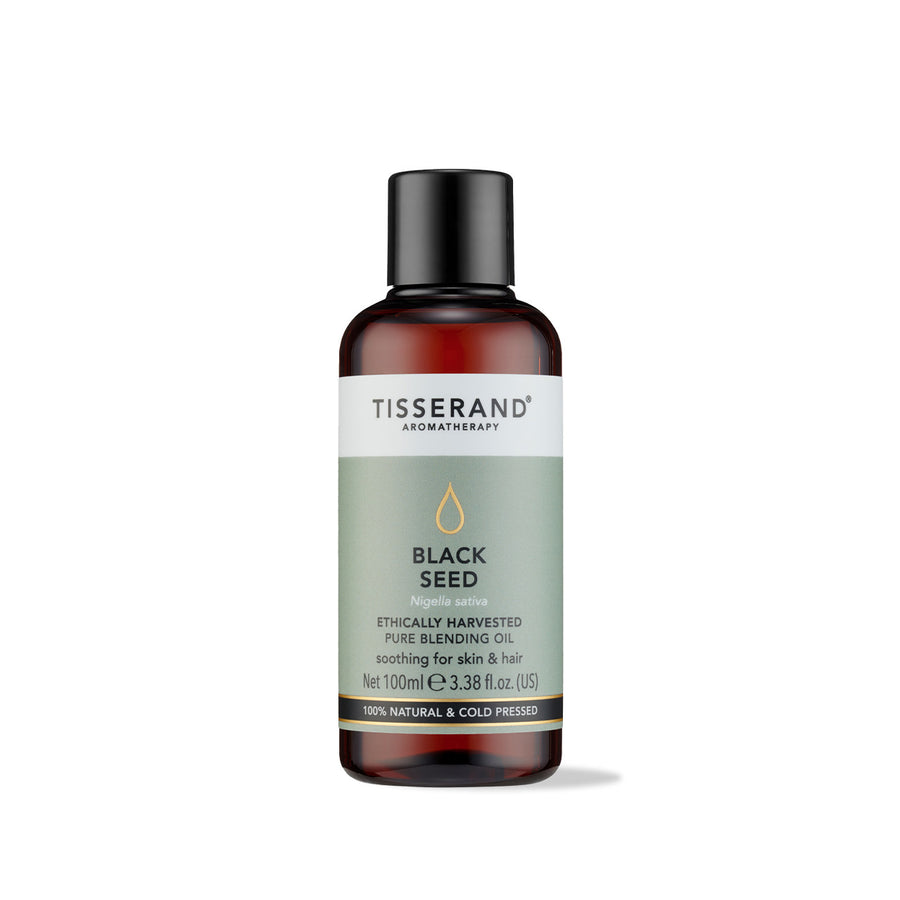
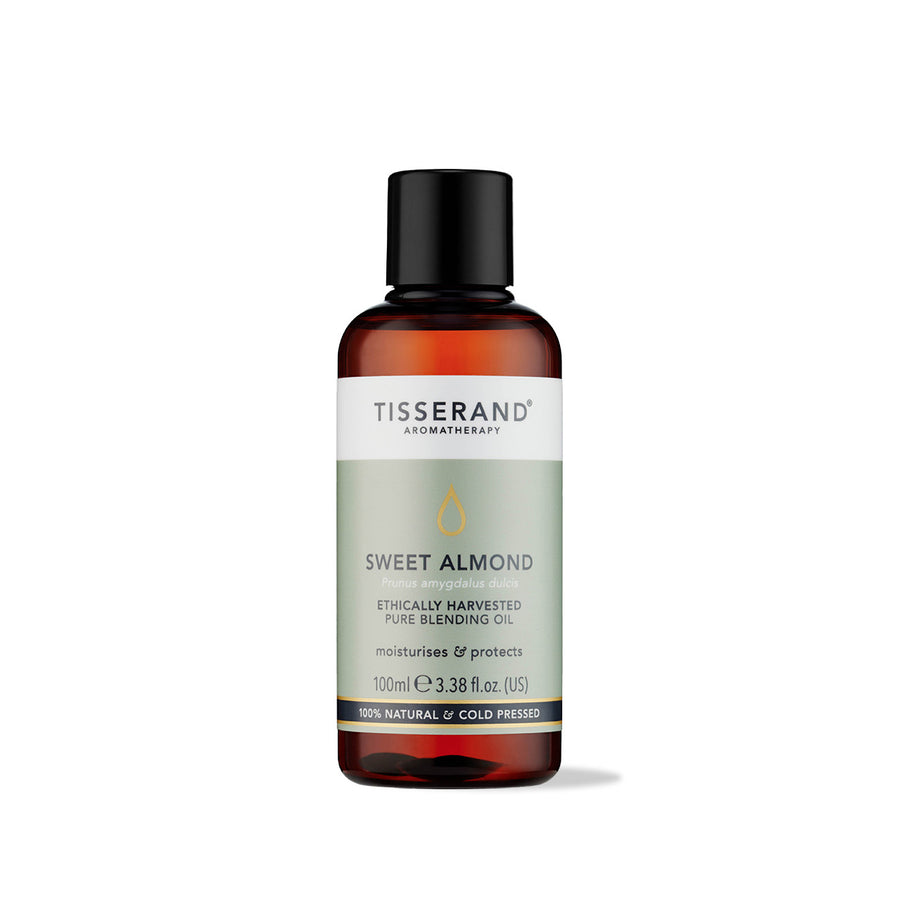
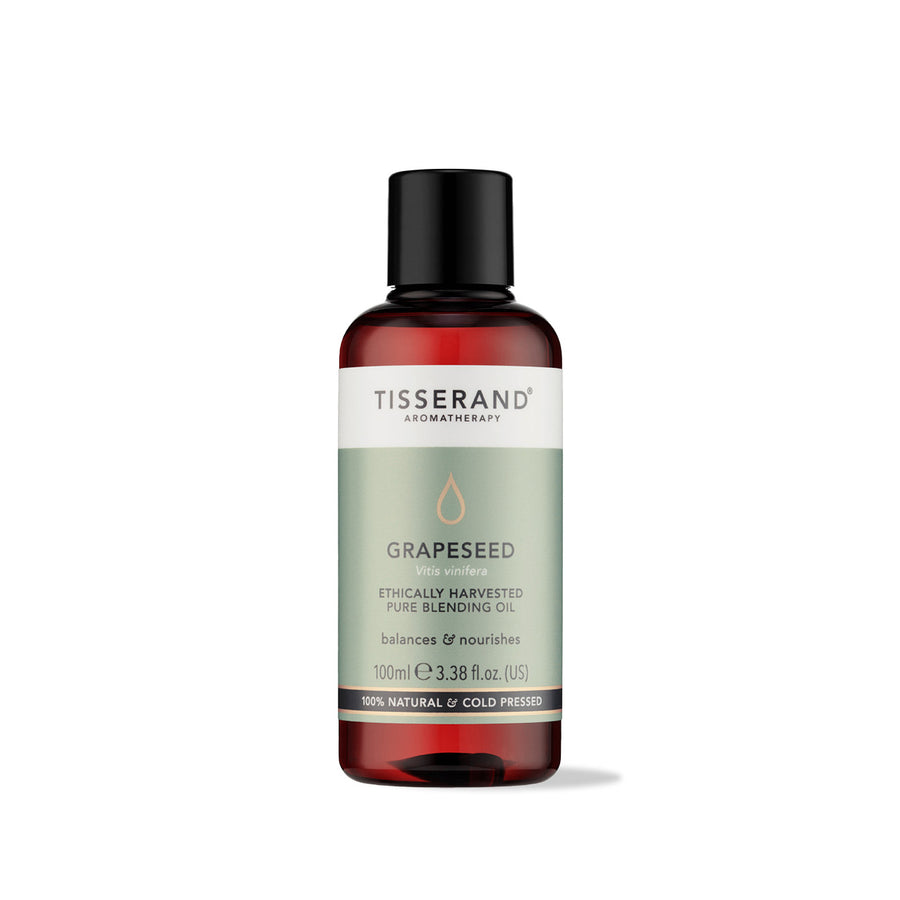
Add 5 drops of Lavender to 10ml of blending oil. Add half of the blend before betting into the water and swirl to disperse for a gentle soak that soothes body and mind.

Massage Oil5Drops
Add 5 drops of Lavender to 10ml of blending oil. Warm a small amount between your palms and apply to the skin in long, sweeping strokes to nourish and soothe skin.

Skin Treatment2Drops
Add 2 drops of Lavender to 10ml of blending oil to create a gentle moisturiser or apply after your nighttime cleanse to soothe and nourish skin.

Pillow Wind-Down2Drops
Add 2 drops of Lavender to the corner of your pillow, away from where you lay your face, for a quick and calming sleep solution.


About Lavender Essential Oil

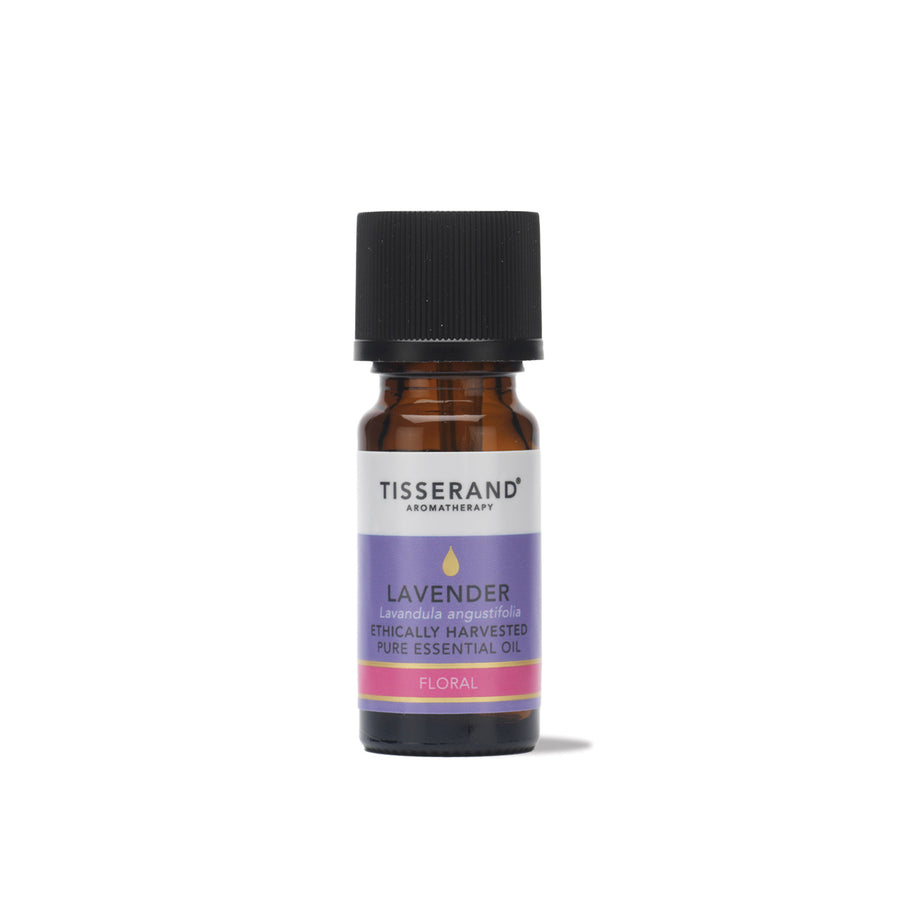
100%Pure Lavandula angustifolia (Lavender) oil
Our organic Lavender essential oil originates from Bulgaria. It’s extracted using steam distillation, where the oil is drawn from the stalks and flowering tops, to produce a thin and clear essential oil.
A Brief History of Lavender

Recognising Lavender
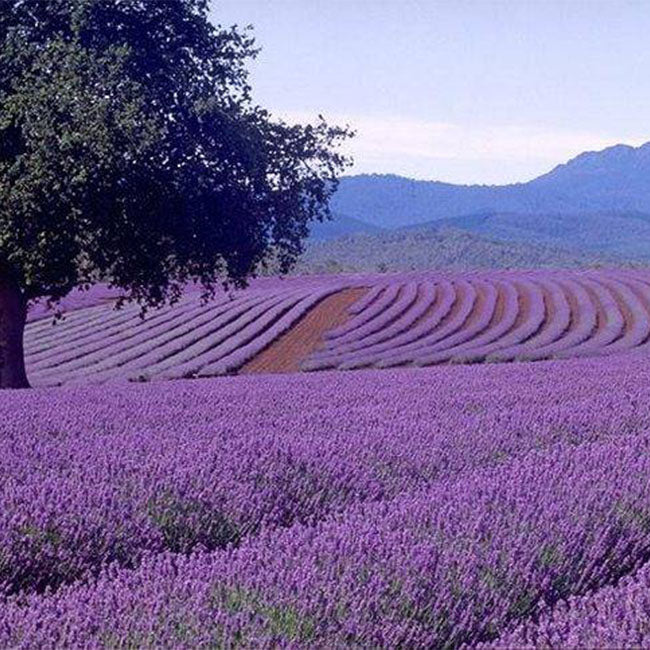
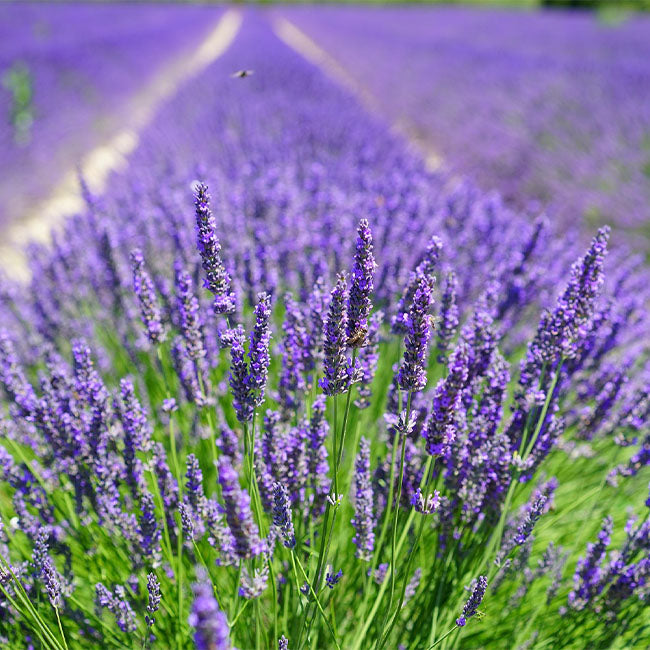
Lavender is one of the most famous essential oils in aromatherapy, loved for its calming floral scent. The plant is an evergreen shrub with grey-green leaves and tall stems topped with purple, nut-shaped flowers. Its scent comes from tiny star-shaped hairs called trichomes, which release aromatic oils when touched.

Lavender Varieties and Names
There are more than 40 types of lavender, each with slightly different aromas and properties. The most common variety used in aromatherapy is Lavandula angustifolia, also called Lavandula officinalis. Knowing the botanical (Latin) name helps ensure you choose the right type, especially since some varieties require caution.

Where Lavender Grows
Lavender originally comes from the Mediterranean, thriving in sunny, dry areas. It belongs to the Lamiaceae family, which includes other aromatic herbs like rosemary, mint, and sage. Today, lavender is grown worldwide, including southern Europe, Bulgaria, and the UK. Essential oil is produced by steam distilling the flowering tops.

Lavender in History
The name “lavender” comes from the Latin lavare, meaning “to wash.” Ancient Europeans added lavender to baths for fragrance. During the Middle Ages, it was used as a strewing herb - spread on floors so its scent would release when walked on - and in nosegays, small bundles of aromatic plants carried to mask unpleasant smells.
ESSENTIAL OIL FAQS
Ask Our Aromatherapist
Lavender essential oil is widely used to support relaxation and restful sleep. Its natural aroma contains calming compounds such as linalool and linalyl acetate. For bedtime use, try adding 6-8 drops to a diffuser, creating a soothing bath or body oil blend, or placing 1–2 drops on your pillow before bed.
Lavender oil may help support scalp comfort, particularly if dryness or irritation is present. Always dilute lavender essential oil in a blending oil to create a hair treatment before applying to the scalp. Massage gently into your scalp and through hair, leave for a short period, then wash out with your regular shampoo. For hair growth concerns, Rosemary essential oil is often preferred. If irritation persists, seek medical advice.
Lavender essential oil is considered one of the gentler oils and is commonly used in skincare for its cleansing and soothing properties. It may help support the appearance of balanced, healthy-looking skin. Always add to a blending oil to create a skin treatment before applying to the skin.
No. Lavender essential oil, like all essential oils, should not be applied neat (undiluted) to the skin. Combine it with a suitable blending oil before use to help avoid irritation or sensitivity.
Lavender oil has a pleasant scent but is not the most effective natural insect repellent. Oils such as Lemongrass (Cymbopogon citratus) or Citronella (Cymbopogon winterianus) are typically more suitable for deterring flying insects.
Lavender oil may help promote relaxation during times of tension and is known to have an analgesic (pain relieving) component. For topical use, combine with a blending oil and massage gently onto the temples or back of the neck. Headaches can have many causes, so seek medical advice if symptoms are severe or persistent.
Our essential oil expert, Jo Kellett TIDHA MIFPA CIMI, graduated from the Tisserand Institute of Holistic Aromatherapy in 1996. She returned to the college in 1999 as an Essential Oil Therapeutics Tutor, where she taught until the college closed. Jo runs a successful private Aromatherapy practice in Brighton, specialising in Women’s health. Jo is also an internationally published author and has lectured on the subject of Aromatherapy both in the UK and abroad.
For more information on Jo Kellett, check out her website or Instagram