


















The Science of Scent: What Is an Essential Oil Blend?

What is an essential oil blend?
An essential oil blend is a combination of two or more essential oils, carefully selected to work together both aromatically and functionally.
Blending is about much more than creating a beautiful fragrance. Aromatherapists consider the individual character of each essential oil, how quickly its aroma evaporates and the naturally occurring chemical constituents within it.
At Tisserand, these principles help us create our Wellbeing blends, each thoughtfully developed around a particular emotional or wellbeing need.
So, what goes into creating a balanced essential oil blend? Our aromatherapy expert Jo Kellet explains.
Start with the purpose of the blend
Before choosing any essential oils, we begin with a simple question: what do we want this blend to support?
This gives the blend its intention and guides every decision that follows.
Essential oils are complex mixtures of naturally occurring aromatic compounds. Different oils have different chemical profiles, aromas and traditional uses in aromatherapy, so understanding what we want the finished blend to achieve helps us select oils that complement one another.
For example, a blend designed for an evening ritual may call for softer, more grounding aromas, while a blend intended for daytime might combine brighter, more uplifting notes.
Balance top, middle and base notes
Essential oils don’t all evaporate at the same speed. This is why aromatherapy and perfumery often describe oils
as top, middle or base notes.
Top notes

- Top notes are the lightest and quickest to evaporate. They are often the first aromas you notice in a blend.
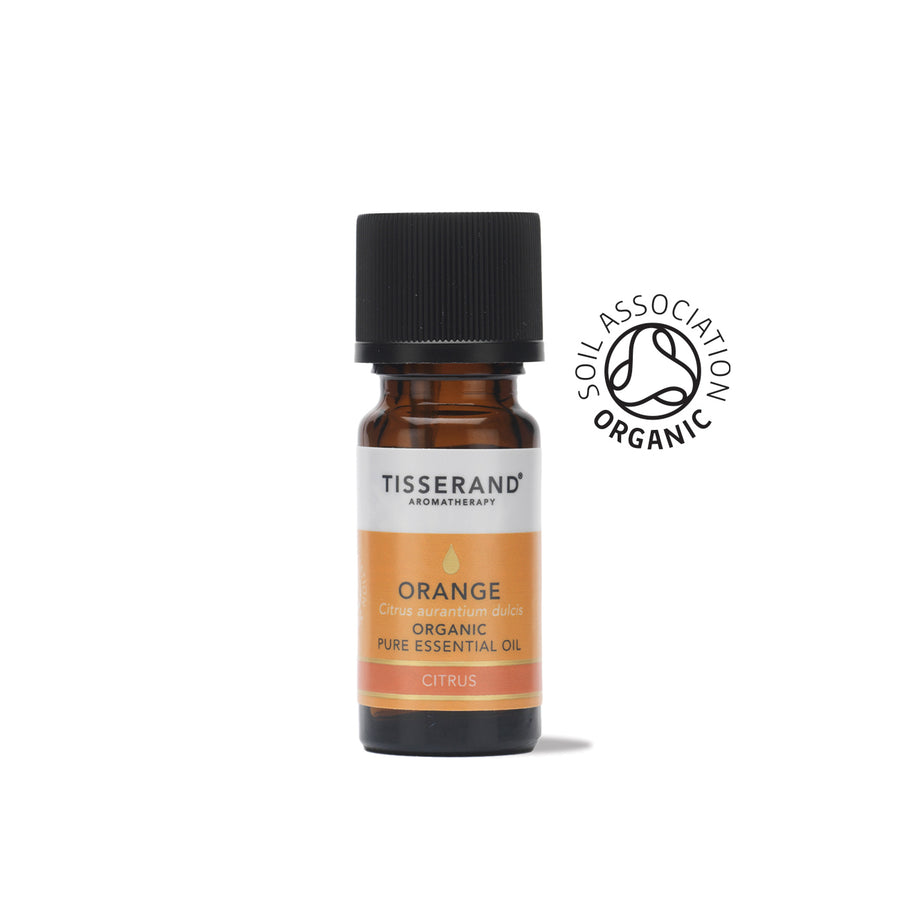
- Citrus oils such as Grapefruit, Lemon and Orange are classic examples.
Middle notes
- Middle notes develop after the initial top notes and form much of the heart or body of a blend.
- These often include herbaceous and floral essential oils such as Geranium and Clary Sage.
Base notes
- Base notes evaporate more slowly and help give a blend depth and longevity.
- Woody, earthy and root-derived oils such as Vetiver and Sandalwood often sit within this group.
Why do essential oil notes matter?
A well-balanced blend evolves gradually as you smell it.
Top, middle and base notes help create depth and character, rather than an aroma that feels overly sharp, flat or dominated by a single essential oil.
Understand essential oil chemistry
Every essential oil contains a unique combination of naturally occurring chemical constituents.
Aromatherapists use this chemistry alongside aroma and traditional use when deciding which oils may work well together.
Some of the chemical families commonly found in essential oils include:
- Esters, such as linalyl acetate in Lavender and Clary Sage, which contribute soft, often floral aromas.
- Monoterpenes, including limonene in many citrus oils, which are associated with fresh, bright aromatic profiles.
- Alcohols, including naturally occurring compounds such as geraniol and citronellol, which are found in oils including Geranium and Rose.
- Sesquiterpenes and sesquiterpene alcohols, often found in richer, earthier essential oils such as Vetiver.
Understanding these components helps an aromatherapist build a blend with complementary aromatic characteristics.
What does synergy mean in essential oil blending?
In aromatherapy, synergy describes the way carefully chosen essential oils complement one another within a blend.
Each oil brings something different: its aroma, volatility, chemical profile and overall character.
When those elements are considered together, the finished blend can feel more rounded and layered than using one essential oil alone.
It is this balance between purpose, aroma and chemistry that sits at the heart of thoughtful essential oil blending.
Inside the Blend: Restore Balance
When we created Restore Balance, the intention was to develop a nurturing aromatic blend for moments when changing moods can leave you feeling out of balance.
The finished blend brings together floral, citrus and grounding notes, including Rose Absolute, Clary Sage, Geranium, Grapefruit and Vetiver.
Here’s why each essential oil plays an important part.
Rose Absolute (Rosa damascena)

Aromatic note: Base
Rose Absolute brings a rich, soft floral character to Restore Balance.
Its aroma is partly shaped by naturally occurring compounds including phenylethyl alcohol, citronellol, geraniol and nerol, creating the distinctive rosy fragrance associated with this precious botanical extract.
Within the blend, Rose adds depth and softness while complementing the floral notes of Geranium and Clary Sage.
Clary Sage (Salvia sclarea)

Aromatic note: Middle
Clary Sage has a warm, herbaceous and slightly sweet aroma.
Its chemistry contains a high proportion of esters, particularly linalyl acetate, alongside naturally occurring linalool and sclareol.
Its soft aromatic profile makes Clary Sage particularly well suited to blends created around relaxation, emotional wellbeing and women’s wellbeing rituals.
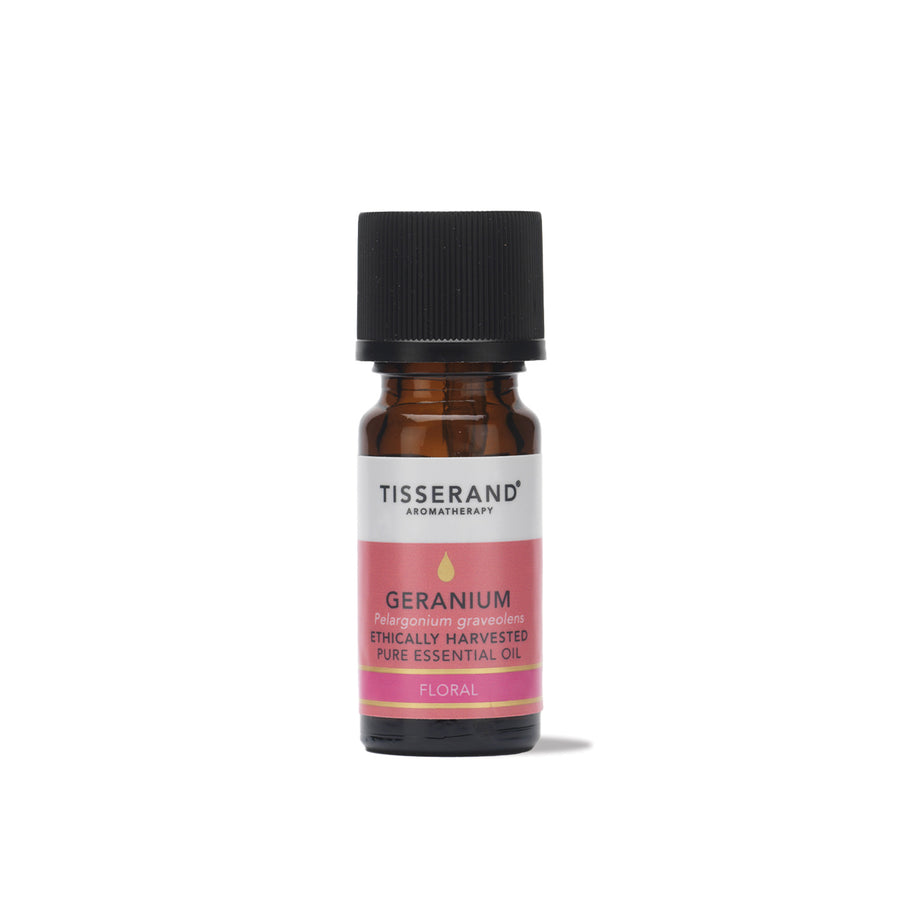
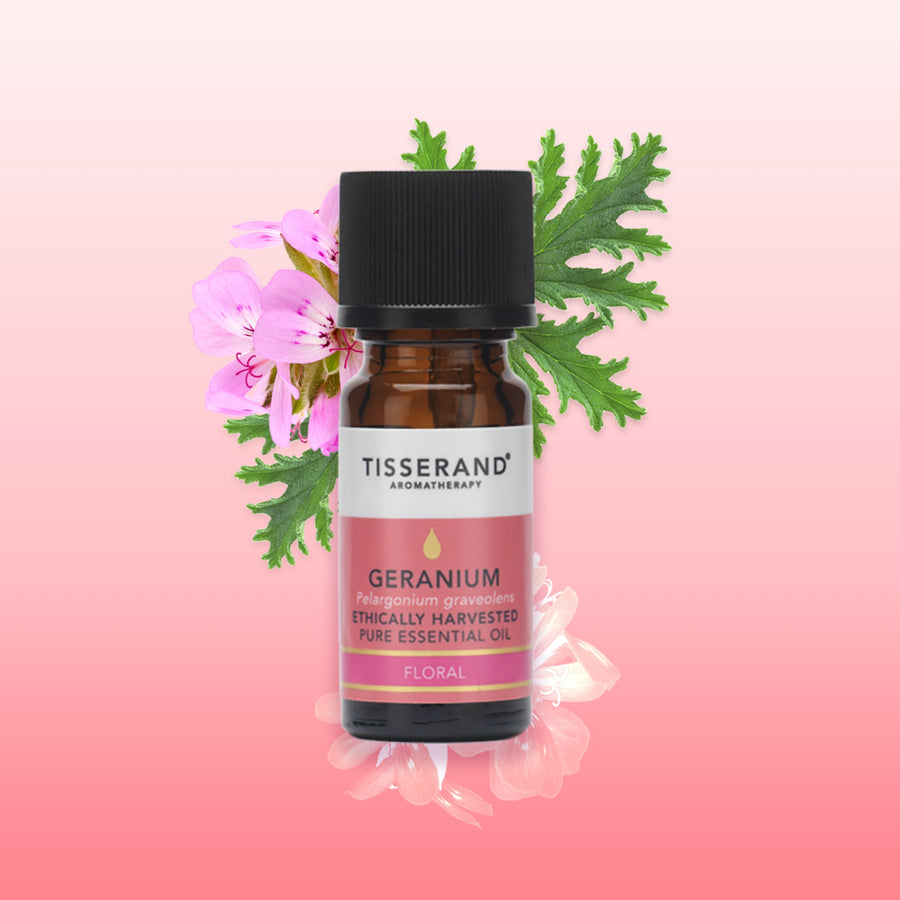
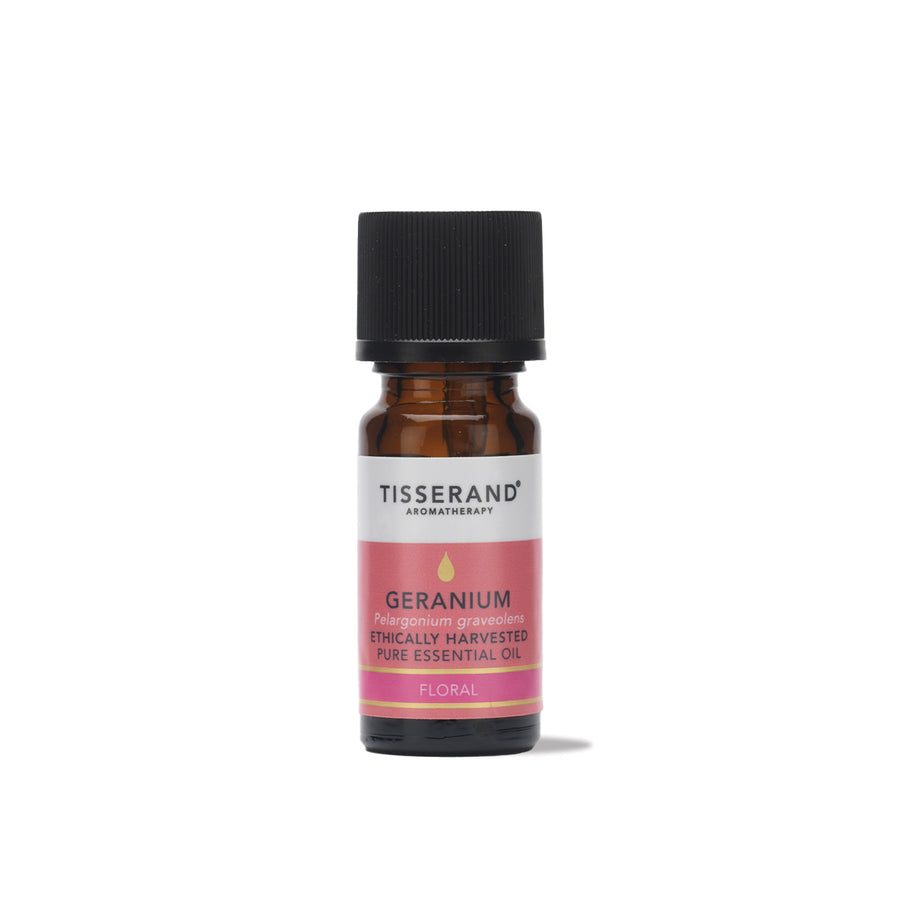
Geranium (Pelargonium graveolens)

Aromatic note: Middle
Fresh, green and rosy, Geranium helps form the floral heart of Restore Balance.
Geranium essential oil naturally contains compounds including citronellol and geraniol, which contribute to its distinctive floral aroma.
It works beautifully alongside Rose Absolute and Clary Sage, helping connect the floral heart of the blend with its brighter citrus top notes.
Grapefruit (Citrus paradisi)

Aromatic note: Top
Grapefruit adds a fresh, sparkling citrus note that lifts the richer floral and earthy aromas within Restore Balance.
Its essential oil is naturally rich in limonene, one of the compounds responsible for the instantly recognisable fresh aroma of citrus peel.
As the top note within the blend, Grapefruit gives Restore Balance its first bright burst of aroma.
Vetiver (Chrysopogon zizanioides)

Aromatic note: Base
Deep, earthy and woody, Vetiver provides the grounding base of the blend.
Its complex chemistry includes a range of sesquiterpenes and sesquiterpene alcohols, which contribute to its rich, long-lasting aroma.
Because Vetiver evaporates more slowly than lighter citrus oils, it also helps give the finished fragrance greater depth and longevity.
Why blend essential oils together?
Creating an essential oil blend is a balance of both art and science.
Aromatherapists consider:
- the purpose of the blend
- the individual aromas of each essential oil
- top, middle and base notes
- evaporation rates
- naturally occurring chemical constituents
- how each aroma develops alongside the others
When these elements come together, each essential oil still brings its own individual character while becoming part of a more complex, harmonious whole.
That is what transforms a collection of individual oils into a carefully considered aromatherapy blend.
Discover the Restore Balance Range
The Restore Balance blend is available across a range of formats, making it easy to bring its comforting aroma into different moments of your day.


About Jo Kellett
Our essential oil expert, Jo Kellett TIDHA MIFPA CIMI, graduated from the Tisserand Institute of Holistic Aromatherapy in 1996. She returned to the college in 1999 as an Essential Oil Therapeutics Tutor, where she taught until the college closed. Jo runs a successful private Aromatherapy practice in Brighton, specialising in Women’s health. Jo is also an internationally published author and has lectured on the subject of Aromatherapy both in the UK and abroad.
For more information on Jo Kellett, check out her website or Instagram.